

Latest Products

Contact Us
Hebei Nanfeng Automobile Equipment (Group) Co.,Ltd
Phone: +86 18811334770
Tel: +86 0317 8620396
Tel: +86 010 58673556
Candy Jiao
E-mail: nh.jiao@auto-parkingheater.com
Email: nh.li@auto-parkingheater.com
Add: Room 505, Building B, Free Town Center, No.58, East Third Ring South Road, Chaoyang District, Beijing, 100022, P.R.China


EV Battery Thermal Management
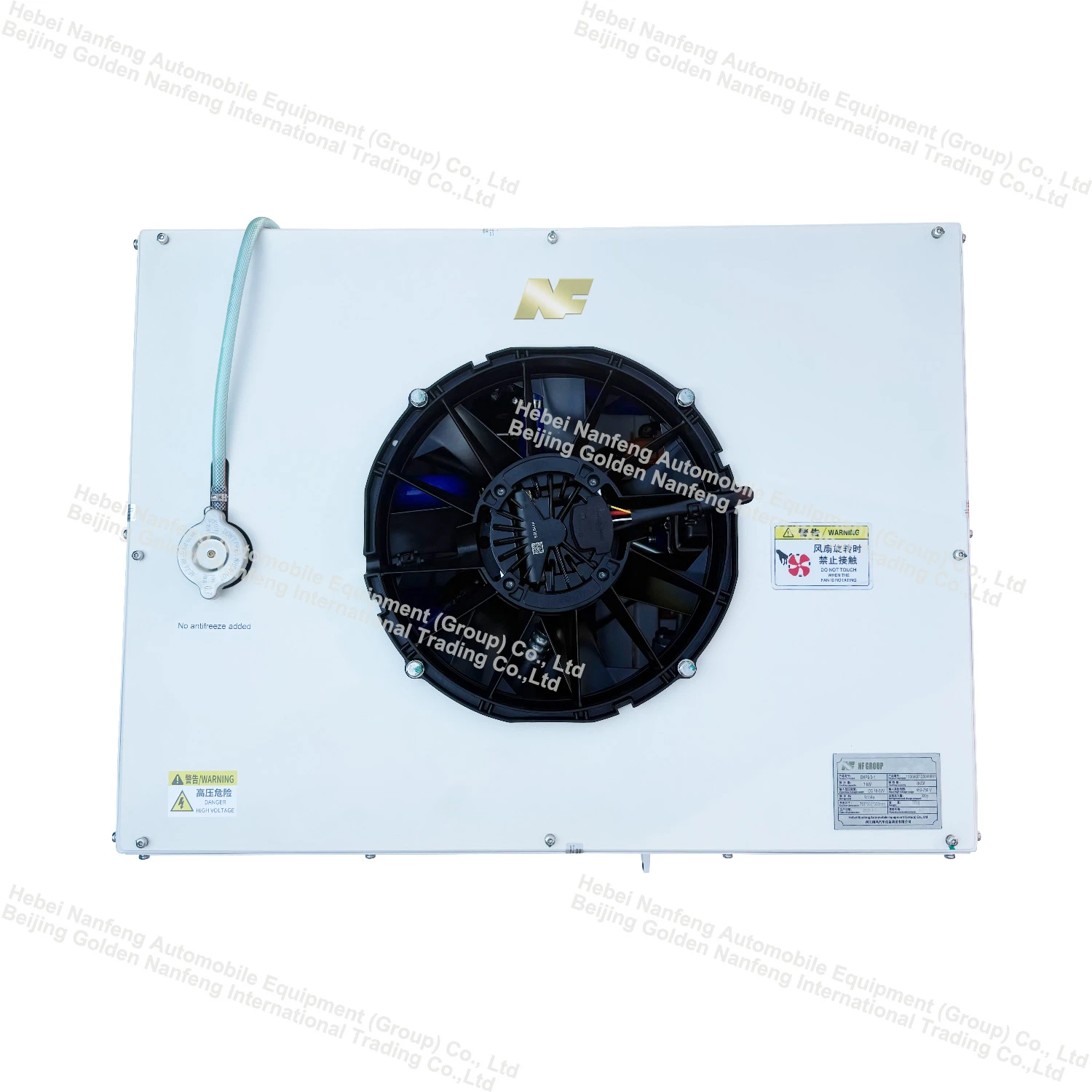
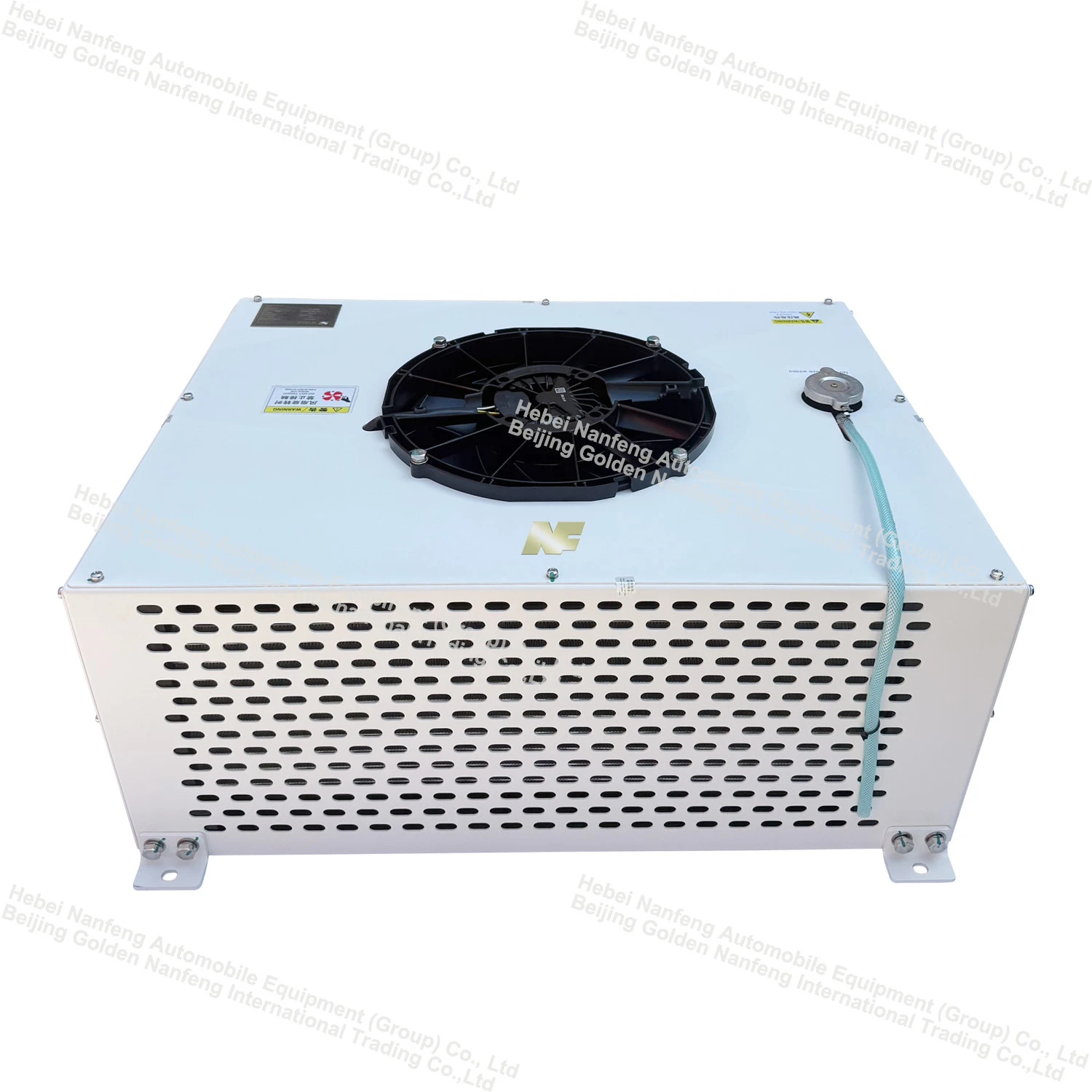
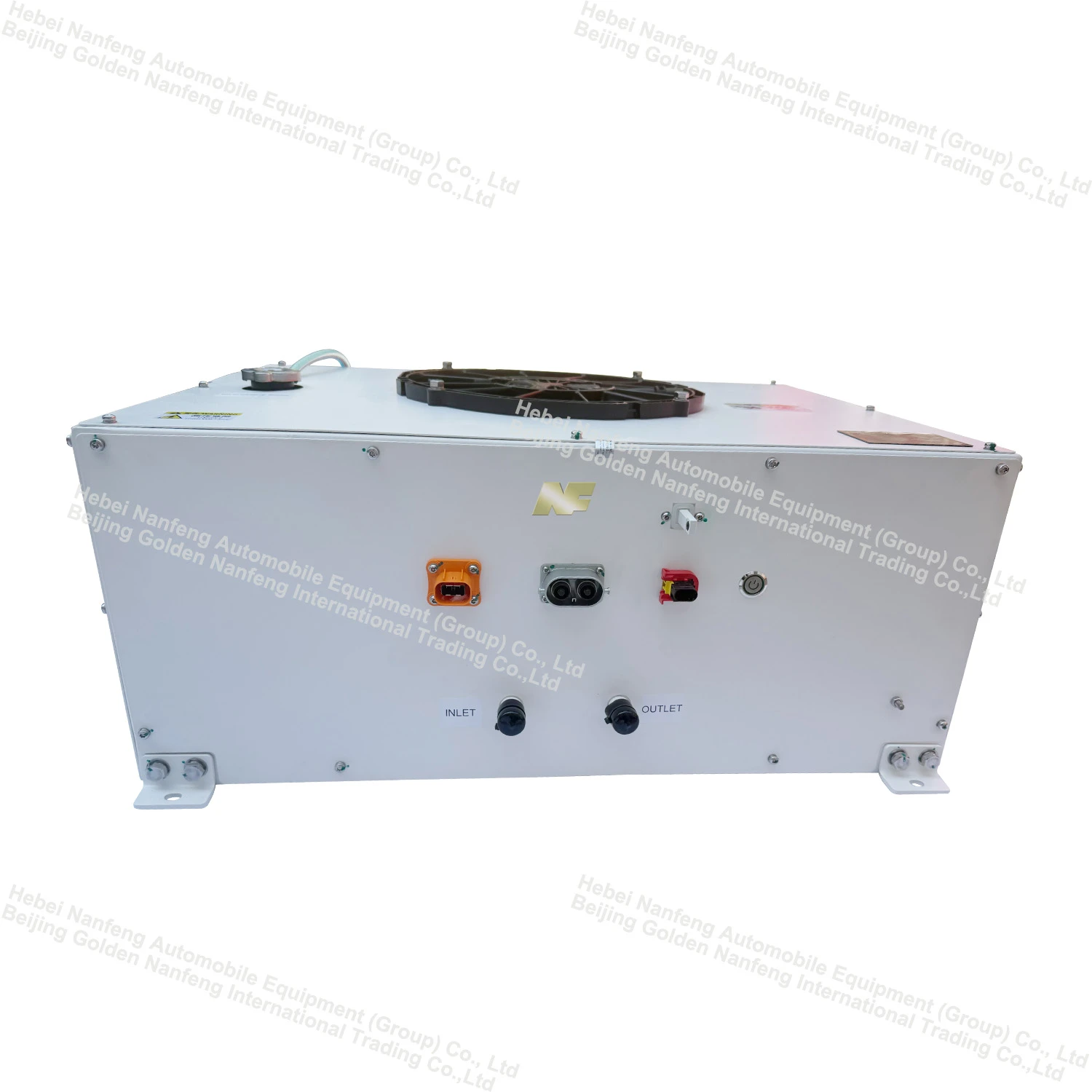
The EV Battery Thermal Management offers high efficiency, safety, environmental friendliness, CAN2.0 communication, and fault self-diagnosis. It supports three operating modes: cooling, heating, and self-circulation.
Description
If you're looking for the EV Battery Thermal Management, welcome to wholesale the product from our factory. As one of the leading manufacturers and suppliers in China, we will offer you the best service and fast delivery. Now, check the quotation with our seller.
EV Battery Thermal Management
EV Battery Thermal Management system introduction

The EV Battery Thermal Management offers high efficiency, safety, environmental friendliness, CAN2.0 communication, and fault self-diagnosis. It supports three operating modes: cooling, heating, and self-circulation.
During vehicle operation or charging, the battery pack temperature may rise due to high ambient temperatures or the inherent charge/discharge characteristics of the battery itself, potentially pushing it outside its optimal operating range. This system is specifically designed for water-cooled battery packs. By precisely regulating the water temperature, it ensures the battery pack operates within a specified temperature range, thereby preserving battery quality, extending service life, and safeguarding the vehicle's driving range.
Compared with traditional heat dissipation methods, this product offers fast heat dissipation, high efficiency, and stable temperature control, significantly improving battery performance and extending service life.
 |
 |
 |
 |
EV Battery Thermal Management parameter
| Model | NFEHP6.0-1 | Refrigeration capacity | 7kW |
| Rated Voltage | 600V DC | Communication method | CAN2.0 |
| Control Voltage | 24V | Refrigerant | R134a |
| Heating capacity | 8kW | working temperature | -40℃~50℃ |
|
Overvoltage protection /recovery voltage |
750/720V DC | Weight | <55KG |
|
Undervoltage protection /recovery |
400/430V DC | Color | White |
EV Battery Thermal Management working principle

It presents the schematic diagram of our EV Battery Thermal Management. In this diagram, the solid red line indicates the refrigeration cycle, while the dashed blue line represents the coolant cycle. The system features three operating modes-cooling, heating, and self-circulation-and switches between them based on feedback parameters received from the battery pack's BMS.
① Cooling Mode
In cooling mode, the fan and compressor are activated. High-temperature, high-pressure refrigerant discharged from the compressor flows into the condenser, where it releases heat and is cooled. The refrigerant is then throttled and depressurized through a thermal expansion valve (TXV) to achieve the cooling effect. The resulting low-pressure, low-temperature refrigerant enters the battery cooler (chiller) and performs heat exchange with the high-temperature coolant exiting the battery pack. After absorbing heat, the refrigerant returns to the compressor suction port, thereby completing the refrigeration cycle.
Simultaneously, the high-temperature coolant leaving the battery pack outlet passes through the water pump and flows into the chiller, where it is cooled. The now low-temperature coolant then enters the battery pack inlet to cool the battery, completing the water circuit cycle.
This cooling mode is designed for operating conditions with a high thermal load on the battery pack.
② Heating Mode
In heating mode, the fan and compressor are turned off, while the water pump and electric heater are turned on. The low-temperature coolant is heated by the electric heater, then flows through the chiller (without active refrigeration) and enters the battery pack to warm the battery.
This heating mode is suitable for conditions where the battery temperature is too low.
③ Self-Circulation Mode
In self-circulation mode, the compressor and electric heater are turned off, while the water pump and fan are turned on. The coolant circulates solely between the thermal management unit and the battery pack, dissipating heat from the battery pack without active refrigeration or heating.
This self-circulation mode is intended for operating conditions with a low thermal load on the battery pack.
Products Description

company profile


Our certificate

Q&A
1. Q: What are the main functions of the EV Battery Thermal Management ?
A: The EV Battery Thermal Management maintains the battery pack within an optimal temperature range during vehicle operation, charging, or parking. It provides three operating modes – cooling, heating, and self-circulation– to handle different thermal loads and ambient conditions, thereby ensuring battery performance, safety, lifespan, and driving range.
2. Q: What are the key advantages of this system?
A: The EV Battery Thermal Management offers:
- High thermal efficiency
- Enhanced safety
- CAN2.0 communication for real-time BMS integration
- Fault self-diagnosis with error code reporting
- Fast heat dissipation and stable temperature control
3. Q: Which components are included in the standard system?
A: The standard system includes:
- Electric compressor
- Condenser with fan
- Thermal expansion valve (TXV)
- Chiller (refrigerant-to-coolant heat exchanger)
- Electronic water pump
- Radiator with fan
- Electric heater (NF 8KW PTC coolant heater)
- Control valve (e.g., 3-way or 4-way)
- Temperature/pressure sensors
4. Q: How does the system communicate with the vehicle's BMS?
A: Our system uses CAN2.0 protocol to exchange real-time data with the BMS, including battery temperature, requested mode, coolant temperature setpoint, fault status, and diagnostic codes. The thermal management unit automatically switches modes based on BMS feedback.
5. Q: What fault self-diagnosis functions are available?
A: The system continuously monitors critical parameters such as refrigerant pressure, coolant temperature, compressor current, pump speed, sensor continuity, and communication status. Detected faults trigger error codes stored in the unit and transmitted via CAN. Examples: sensor failure, compressor overcurrent, pump stall, low refrigerant charge, or PTC overheat.
6. Q: What are the required electrical and coolant specifications?
A: Typical requirements:
- Voltage: 400-750 V DC (for compressor and PTC) / 24 V DC (for control board, electronic water pump, fans)
- Coolant type:50/50 water-glycol mixture
- Nominal cooling capacity:7kW (depending on battery pack size)
- Heating capacity (PTC):8kW
7. Q: Is the system suitable for both commercial and passenger EVs?
A: This product is mainly used for commercial vehicles ,such as electric buses.
8. Q: What documentation and support are provided with the RFQ?
A: Upon RFQ confirmation, we provide:
- Technical datasheet (cooling/heating capacity curves, power consumption, dimensions)
- CAN communication protocol (DBC file)
- 3D CAD model (STEP)
- Installation and maintenance manual
- Sample test report (performance, vibration, thermal shock)
- Warranty terms and spare parts list
related products
Components for EV Battery Thermal Management
We are capable of manufacturing not only integrated EV battery thermal management systems but also their critical components. Therefore, if you are interested in purchasing individual components, please click the link in the image below!
 |
 |
 |
 |
| Electric air conditioning compressor | Electronic water pump | PTC coolant heater | 4 way valve |
Hot Tags: EV Battery Thermal Management, China, factory, suppliers, manufacturers, seller, wholesale, quotation
You Might Also Like


