
Development Analysis of New Energy Vehicle Thermal Management Field
At present, the thermal management scheme of traditional vehicles is relatively mature. Traditional internal combustion engine vehicles can use the waste heat of the engine for heating, but the energy required for the air conditioning system of pure electric vehicles comes from the power battery. This study also pointed out that the energy efficiency of the air conditioning system directly affects Electric vehicle economy and driving range. The battery thermal management system of new energy vehicles has more heating requirements than the engine thermal management system. The new energy air conditioning system uses electric compressors instead of ordinary compressor cooling (Figure 1), and uses electric heaters such as PTC heaters or heat pumps instead of engine waste heat. Heat, which pointed out that after the electric vehicle runs the air conditioning heating and cooling device, its maximum mileage drops by about 40%, which puts forward higher requirements for the corresponding technology, and the demand for technology upgrades accelerates.


Figure 1 Thermal management of traditional vehicles VS pure electric vehicles
With the upgrading of automobile electrification, new components in the field of thermal management are ushering in an incremental market. Driven by the new battery cooling, heat pump system and other electrification upgrades of new energy vehicles, some types of components used in thermal management solutions have also emerged. Variety. With the increase in the penetration rate of new energy vehicles and the upgrade of product performance, the future market space and value of the thermal management system industry will be huge.
In the thermal management scheme, the main application components are divided into valves, heat exchangers, pumps, compressors, sensors, pipelines and other components that are used more. With the acceleration of vehicle electrification, some new components will develop accordingly. Compared with traditional fuel vehicles, the thermal management system of new energy vehicles has added electric compressors, electronic expansion valves, battery coolers, and PTC heater components, and the system integration and complexity are higher.
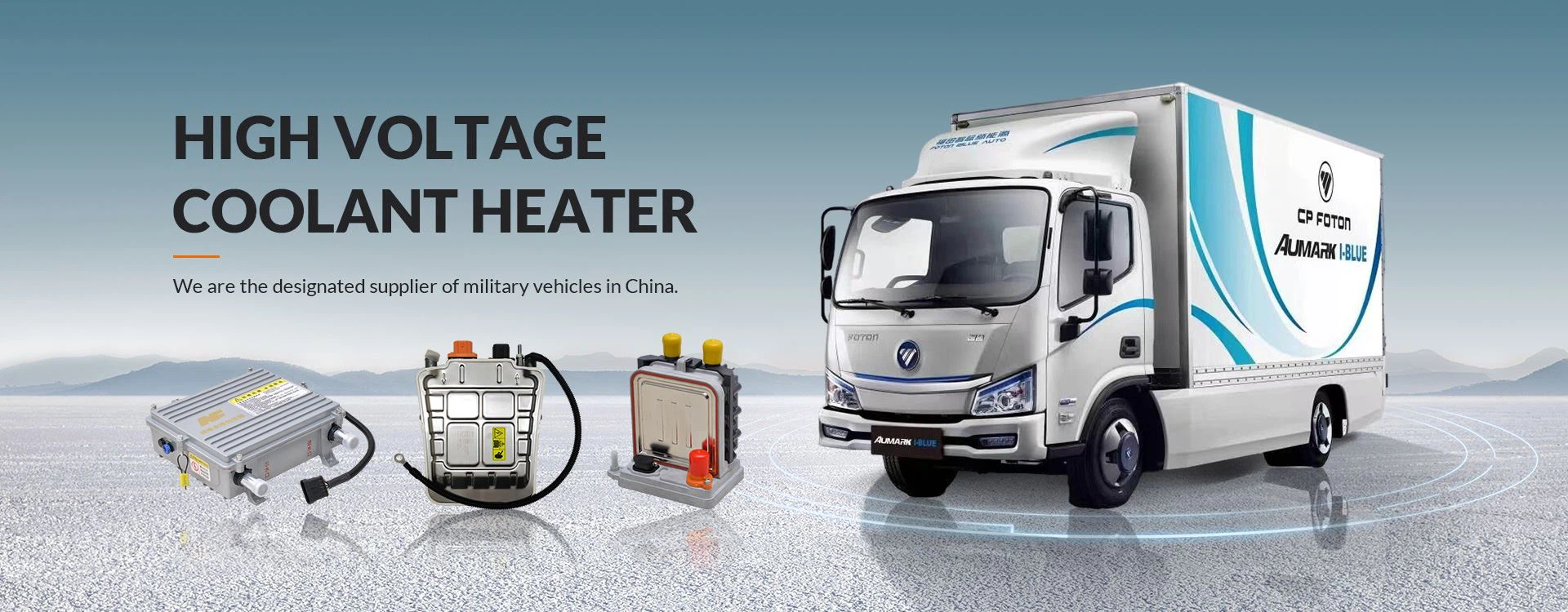
During cold weather, battery systems in electric vehicles degrade due to low ambient temperatures. PTC heaters(PTC Coolant Heater/PTC Air Heater) counteract this problem by actively heating the battery pack, ensuring optimal battery chemistry and increasing the overall efficiency of the vehicle. The heat generated by the PTC heater is directly proportional to the temperature of the battery pack, dynamically adjusting its resistance to maintain a consistent and safe temperature level. By efficiently distributing heat throughout the battery pack, PTC heaters help minimize energy loss and maintain longer driving range even in freezing conditions. For PTC electric heaters, NF Group has also launched several products for you to choose from.


