
Do all new energy vehicles require high-voltage electric defrosting?
When driving, it's common for windows to fog up or frost over in winter. When it comes to new energy vehicles, many people assume that since they run on electricity, defrosting must rely on high-voltage power; however, the reality is more nuanced.
To put it simply: not all new energy vehicles rely on high-voltage power for defrosting-it depends on whether they are equipped with a heat pump or a dedicated electric heating system.
When it comes to defrosting systems in today's new energy vehicles, there are two main approaches:
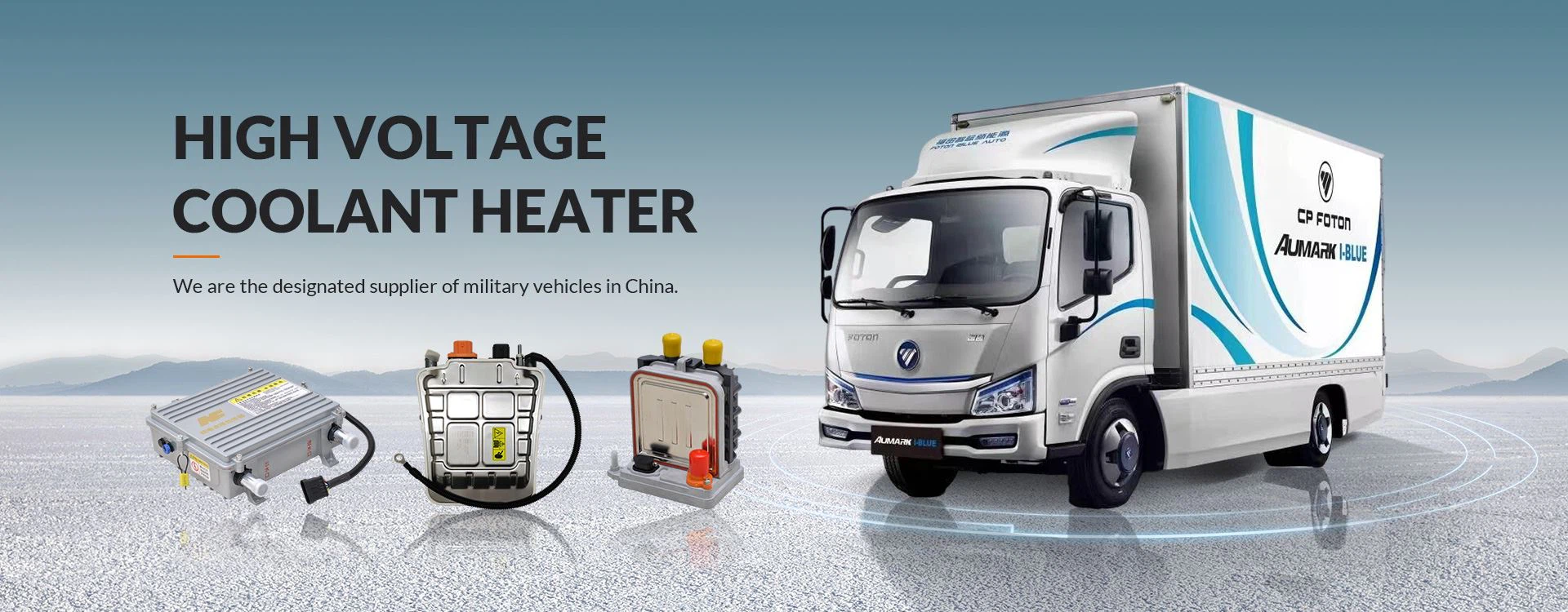
The first is the "pure resistance heating" method. Since these vehicles lack waste heat from an internal combustion engine, they rely on a PTC heater (think of it as a large-scale immersion heater) to heat up coolant or directly warm the air. These heaters run on high-voltage power from the vehicle's traction battery; consequently, using the heater for defrosting consumes a significant amount of high-voltage electricity-often 7 to 8 kilowatts-leading to rapid battery drain.


The second approach is the "heat pump" system. This is a more sophisticated technology that uses a compressor to transfer heat from the outside environment. While it is also driven by high-voltage electricity, it is far more efficient and energy-saving than PTC heating. However, in extremely cold weather (such as temperatures well below zero), a heat pump may struggle to transfer sufficient heat, necessitating the activation of a PTC heater as a supplement; thus, it ultimately still relies on high-voltage power.
There is, however, an exception: vehicles equipped with optional diesel or fuel-based heating systems-such as certain hybrids or models designed specifically for cold climates. These systems burn diesel to heat the coolant, meaning the defrosting process does not draw from the high-voltage battery; instead, the small 12V battery powers the blower fan to circulate the warm air.
Therefore, for the pure electric vehicles we drive daily, defrosting relies on high-voltage electricity more than 90% of the time; however, with hybrid vehicles, the engine's residual heat can be used for defrosting once the engine is running, meaning high-voltage electricity is not utilized in that scenario.


