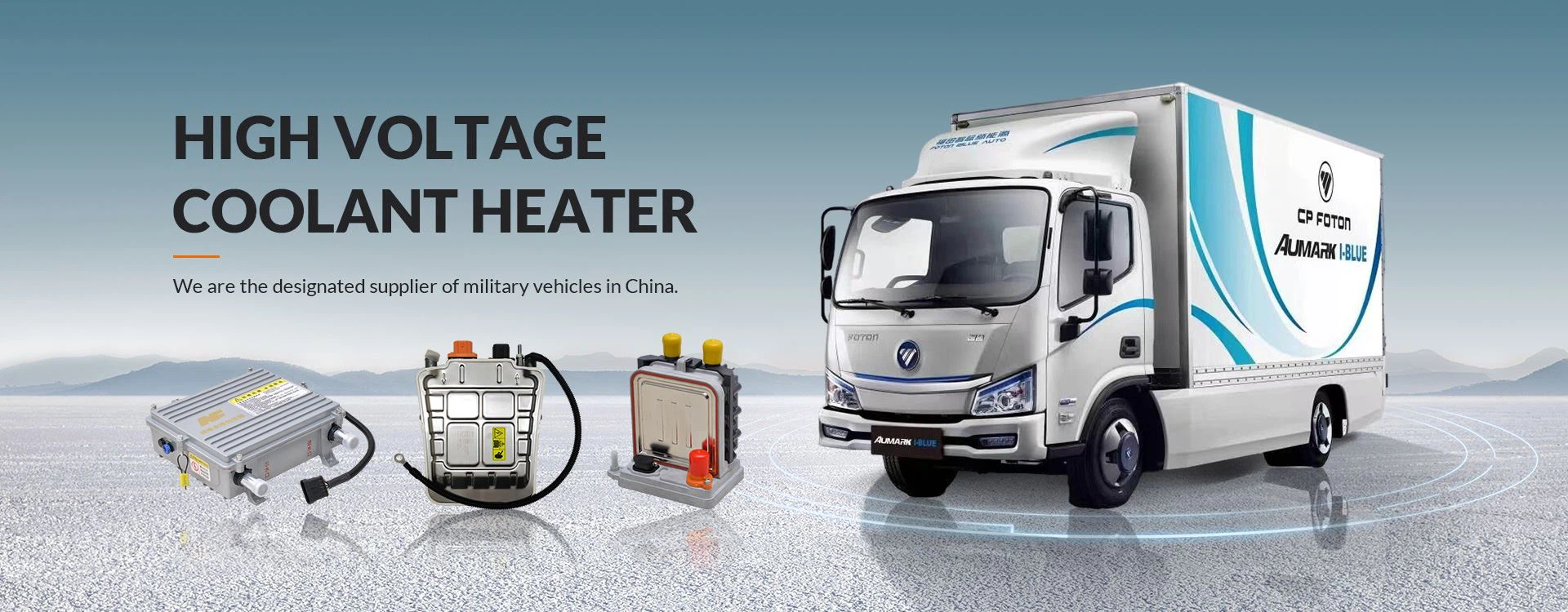
How PTC coolant heater work in electric vehicles
Electric heating systems, or electric heaters, play an essential role in electric vehicles (EVs), providing much-needed warmth in colder climates. In general, electric heaters work by converting electrical energy into thermal energy, which is then used to produce heat.
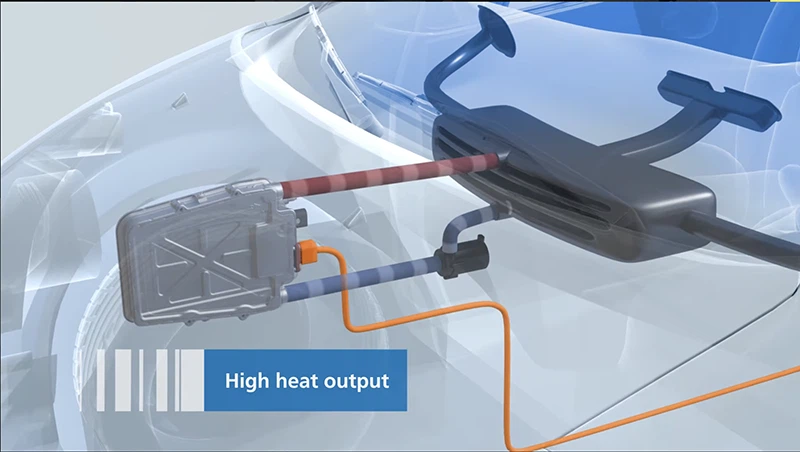
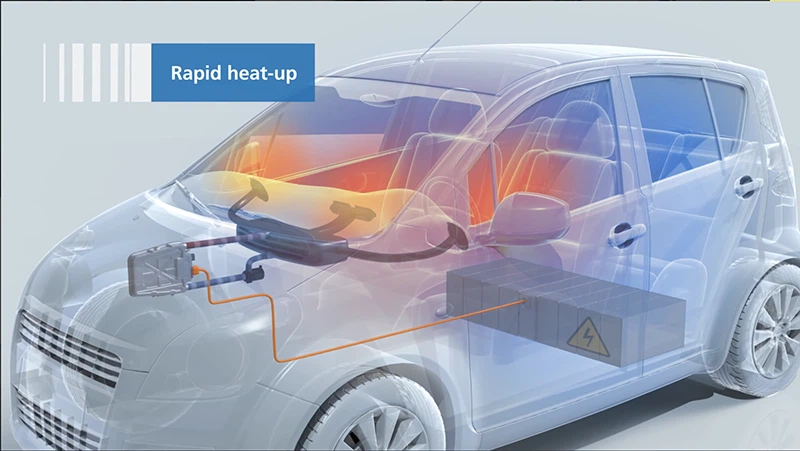
In an EV, the electric heater draws power from the car's battery and converts that energy into heat, which is then distributed throughout the cabin via air ducts. The heater typically consists of a heating element that is heated up by the electrical current passing through it, and a fan that blows the heated air into the passenger compartment.

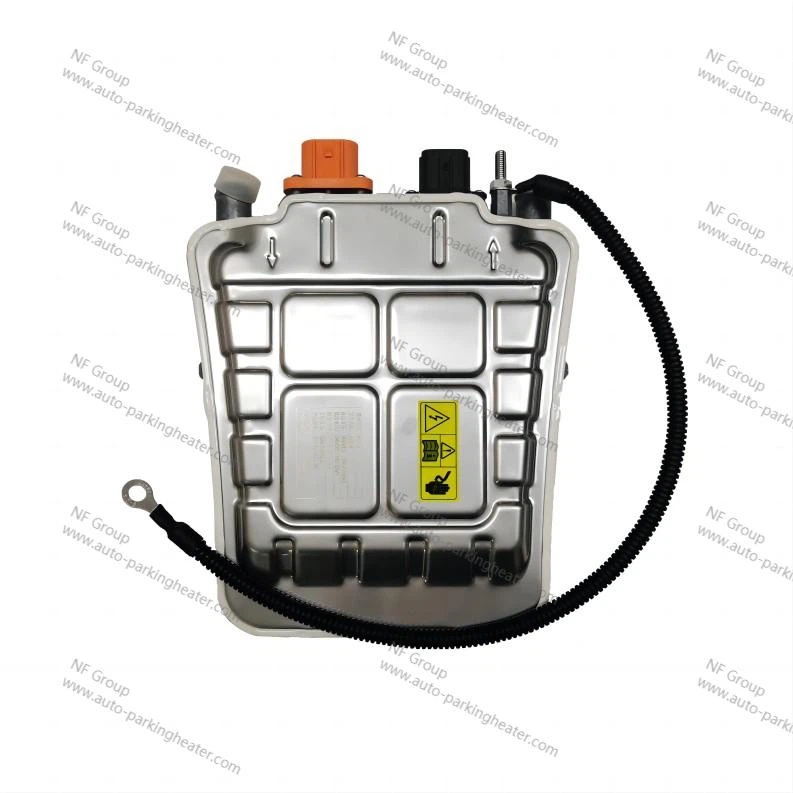
One of the primary advantages of electric heaters is that they offer instant heating, as opposed to combustion-based heating systems that rely on a warm-up period. Additionally, electric heaters are relatively quiet and efficient, with most of the energy being converted into heat rather than being lost as waste.
Another benefit is that electric heating systems are entirely emissions-free, which is particularly important in the context of EVs. By eliminating the need for combustion-based heating systems like those found in conventional vehicles, EVs contribute to cleaner air and a healthier environment.
Overall, electric heating systems are an essential component of electric vehicles, helping to provide a comfortable and safe driving experience for passengers and drivers alike. As EV technology continues to advance, we can expect to see even more efficient and effective electric heaters that further enhance the performance and sustainability of these innovative vehicles.