Introduction to new energy vehicle battery thermal management system
The new energy vehicle battery thermal management system is a system designed to maintain the battery operating within a suitable temperature range. The performance and life of the battery are greatly affected by temperature, so the existence of a thermal management system is crucial to improving the performance, safety and life of new energy vehicles. The following is a general introduction to battery thermal management systems:
main component:
Temperature sensor: Installed inside the battery pack for real-time monitoring of battery temperature. These sensors provide critical temperature information so the system can adjust accordingly.
Cooling system: Including liquid cooling system or air cooling system to reduce battery temperature. Liquid cooling systems cool liquid by circulating around the battery, while air cooling systems introduce cold air into the battery pack through a ventilation system to dissipate heat.
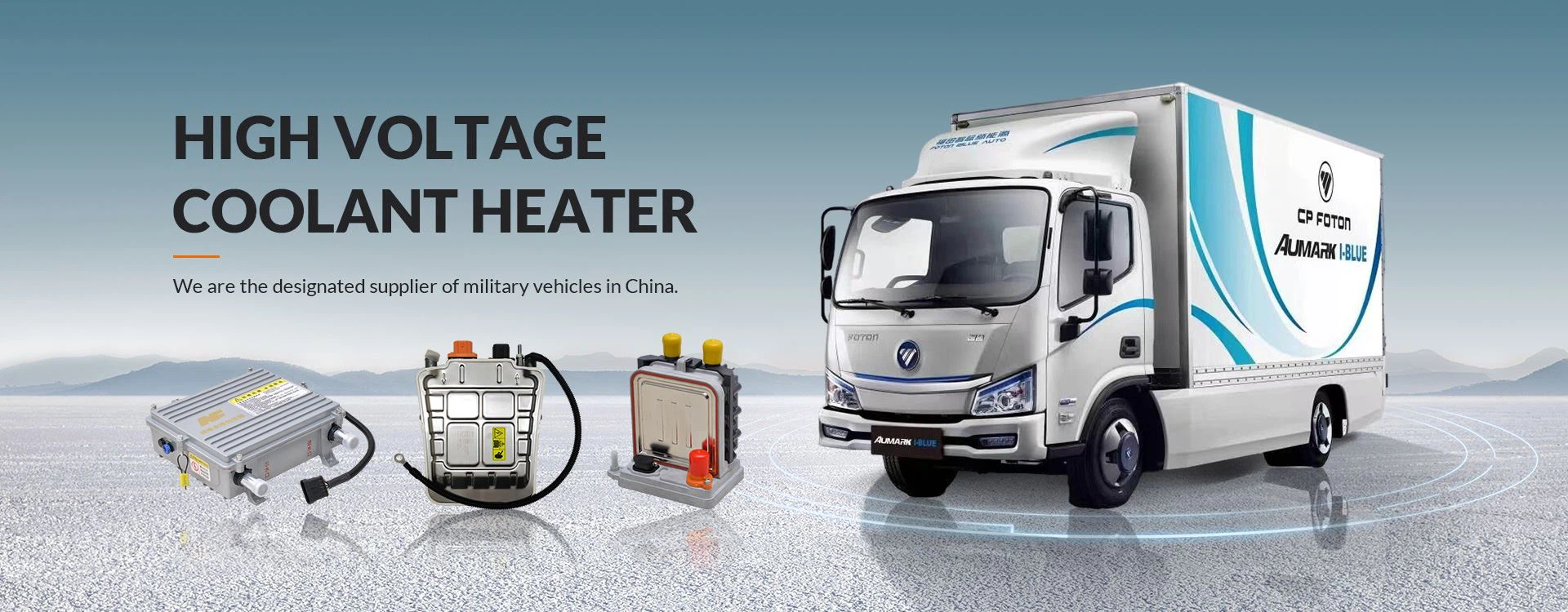
Heating system: In extremely cold environments, in order to prevent the battery temperature from being too low and affecting performance, the heating system can increase the temperature of the battery. This usually includes an electric heater or other form of heating device.
Battery Thermal Management Controller: Responsible for monitoring the feedback from the temperature sensor and adjusting the operation of the cooling or heating system according to the preset temperature range. This ensures that the battery operates within an optimal temperature range.
Thermal insulation material: Used to slow down the impact of the external environment on the battery temperature. Insulation provides protection in extreme temperature conditions, preventing excessive heat dissipation or overheating.

Working Principle
Cooling: When the battery temperature is too high, the cooling system starts. Liquid cooling systems remove excess heat by circulating coolant throughout the battery pack. The air cooling system introduces cold air into the battery pack through ventilation to achieve heat dissipation.
Heating: In cold environments, the heating system kicks in to prevent the battery from getting too cold. The heater provides heat energy to warm the battery to the appropriate operating temperature.
Temperature monitoring and control: The temperature sensor monitors the temperature of the battery in real time and transmits the data to the thermal management controller. The controller adjusts the operation of the cooling or heating system according to the set temperature range.
Advantage
Improve battery life: Keeping the battery within the appropriate temperature range helps extend the life of the battery.
Improved performance: Batteries at the right temperature provide better performance, including higher power output and more efficient charging.
Improved safety: Avoiding overheating or cooling of the battery helps reduce safety risks, such as battery fire or degraded performance.
Adapt to different environments: Battery thermal management systems enable new energy vehicles to operate in different climate conditions, including extreme high and low temperatures.
Application areas
Electric vehicles: Battery management systems for pure electric vehicles and plug-in hybrids.
Electric buses: Battery thermal management systems for electric buses to ensure stable battery performance during urban operations.
Electric trucks: Battery thermal management systems for electric trucks to adapt to different transportation environments.
Overall, the battery thermal management system is a key component of new energy vehicles. By effectively managing battery temperature, it improves battery performance, lifespan and safety, thereby enhancing the reliability and adaptability of new energy vehicles.