
Control of thermal management system
In terms of function, the control of the thermal management system of the new energy vehicle mainly includes the thermal comfort control of the passenger compartment, the temperature management control of the battery motor and electronic components, the defrosting and defogging safety control of the windshield, the main components of the new energy vehicle thermal management control system are sensors, actuators, and controllers, among which.
Most of the sensors are composed of temperature sensors and pressure sensors, while the actuators are based on electric compressors and electronic expansion valves, as well as peripheral components such as HVAC (heating ventilation air conditioning) blowers, cooling fans, and electronic water pumps.
Single-cooling air conditioner + PTC
Single-cooling air conditioner + PTC is a relatively simple way of supplying cold and heat in the compartment of new energy vehicles. It can basically use the fuel vehicle system. It is the most commonly used form of air conditioning system for new energy vehicles. Its main form is similar to traditional fuel vehicles.
The biggest advantage of PTC electric heating is that the structure and control are simple, and the cost is low: but the heating efficiency is always less than 1. When heating in winter, it needs to consume a lot of The battery energy directly leads to the serious attenuation of the cruising range.
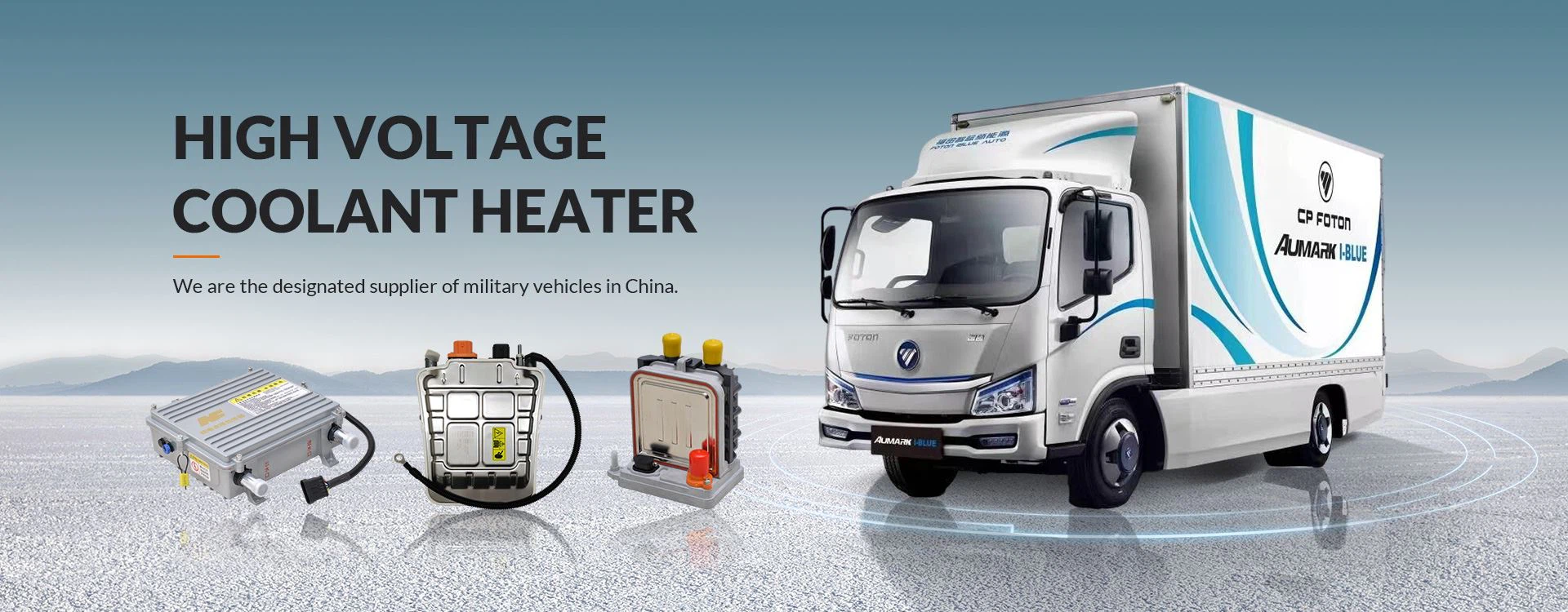
The PTC electric heating system can be divided into two forms: PTC air heating and PTC plumbing according to the method of use. Among them, the PTC air heating is electric heating to directly heat the air, with a simple structure and high heating temperature, but it has Certain safety hazards: The PTC plumbing method is to use the PTC module to heat the coolant, and then heat the air through the coolant. Although the safety factor is high, the system is more complicated and the heating temperature is relatively low.


