
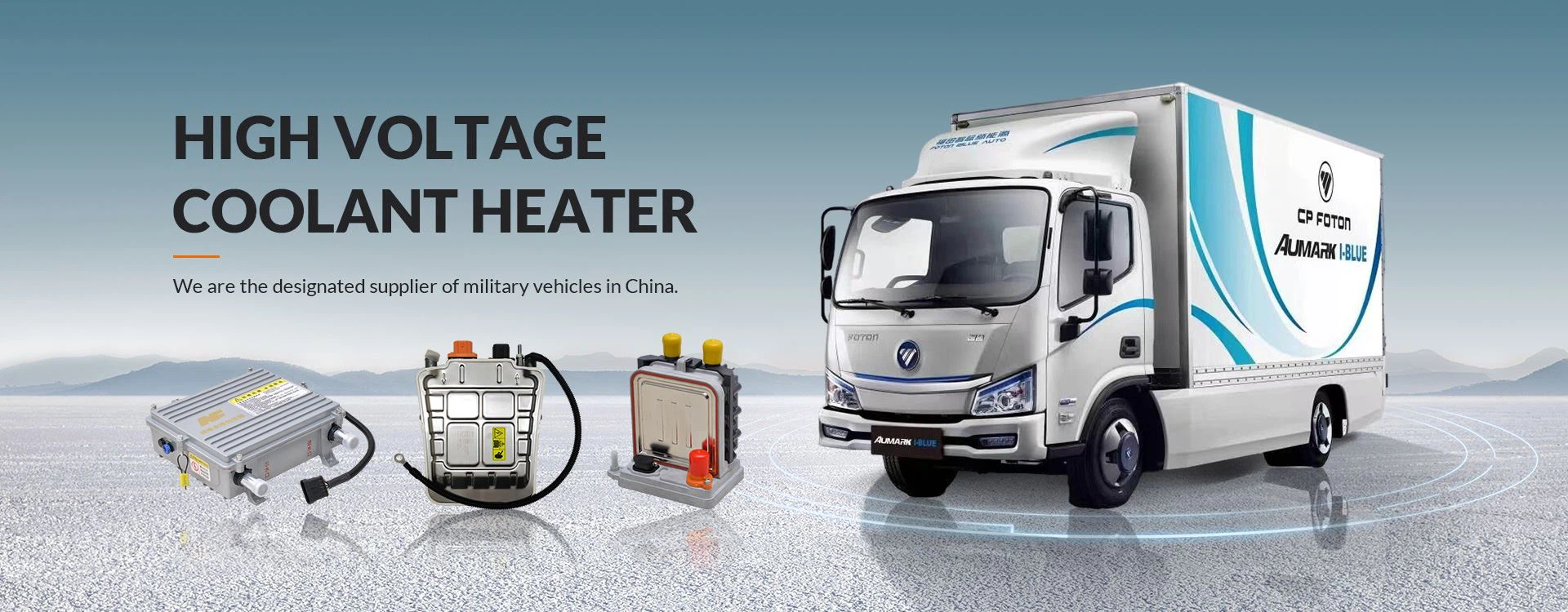
Overview of Power Battery Thermal Management System
Electric vehicles place high demands on battery thermal management systems, driving continuous advancements in this technology. A key aspect is optimizing the battery heat dissipation structure. The power system of an electric vehicle includes multiple battery components and electronic devices such as motors, which generate significant power consumption and heat. Due to the large size of the battery, it generates substantial heat during operation, necessitating a series of processes such as cooling and heat dissipation to ensure optimal battery performance. Effective battery thermal management not only extends the lifespan of the power battery but also significantly reduces energy loss.
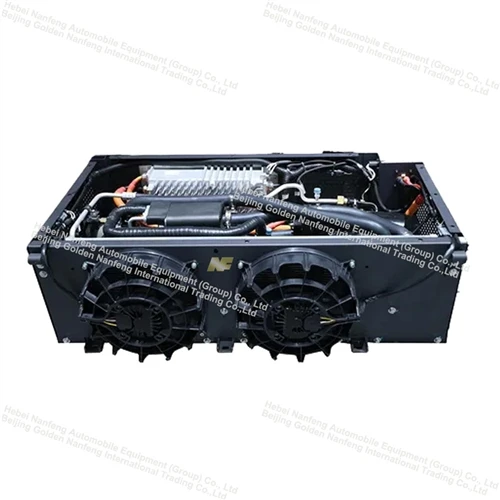
Differences from Traditional Automotive Thermal Management
Traditional automotive thermal management is simple, lacking complex control and component systems. Its goal is simply to maintain the engine temperature within an ideal range, utilizing waste heat generated by the engine to provide the necessary heat to the passenger compartment without consuming additional power.
New energy vehicles differ significantly from traditional vehicles in their system structure. The requirements for the placement and installation of system components throughout the vehicle are correspondingly higher, demanding more space in the engine compartment. Different types of new energy vehicles also have different characteristics. For pure electric vehicles, there is no engine as a power source for coolant circulation, nor is there any waste heat from the engine to utilize.
For hybrid vehicles, due to their unique control strategies, the engine cannot power the coolant circulation or provide the necessary heat to the passenger compartment when it is not running. Therefore, structurally, the thermal management systems of new energy vehicles are designed with independent electric water pumps to power coolant circulation. Heating typically uses electric heating, with a separate electric PTC heating the coolant, which then circulates back to the vehicle's heater core to provide heat to the passenger compartment – this is currently the mainstream approach. Another method involves directly heating the air passing through the evaporator and then blowing the heat into the vehicle via a fan; however, this method is rarely used due to safety concerns.
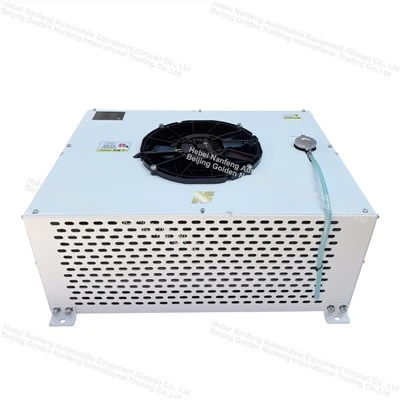
Water-cooled unit operating modes
The battery thermal management unit (TMS) has two operating modes: cooling and self-circulation, to meet different battery thermal management needs.
Cooling mode: Utilizing the vapor compression refrigeration principle to cool the refrigerant, after being connected to the coolant circuit, the coolant is cooled by a heat exchanger. The water pump drives the coolant circulation to cool the battery, effectively addressing issues such as excessive temperature rise caused by high-temperature environments or charging/discharging.
Self-circulation mode: The compressor does not start; only the water pump drives the coolant circulation to meet battery cooling requirements under low heat load conditions.
Control strategy: The controller connects to the BMS via CAN communication, receives and parses BMS messages, and controls the compressor through the parsed parameters and built-in control strategy. It also controls the speed of the fan and water pump through PWM communication to automatically adjust the output power. Simultaneously, the controller status is uploaded to the BMS to meet battery thermal management requirements.


