
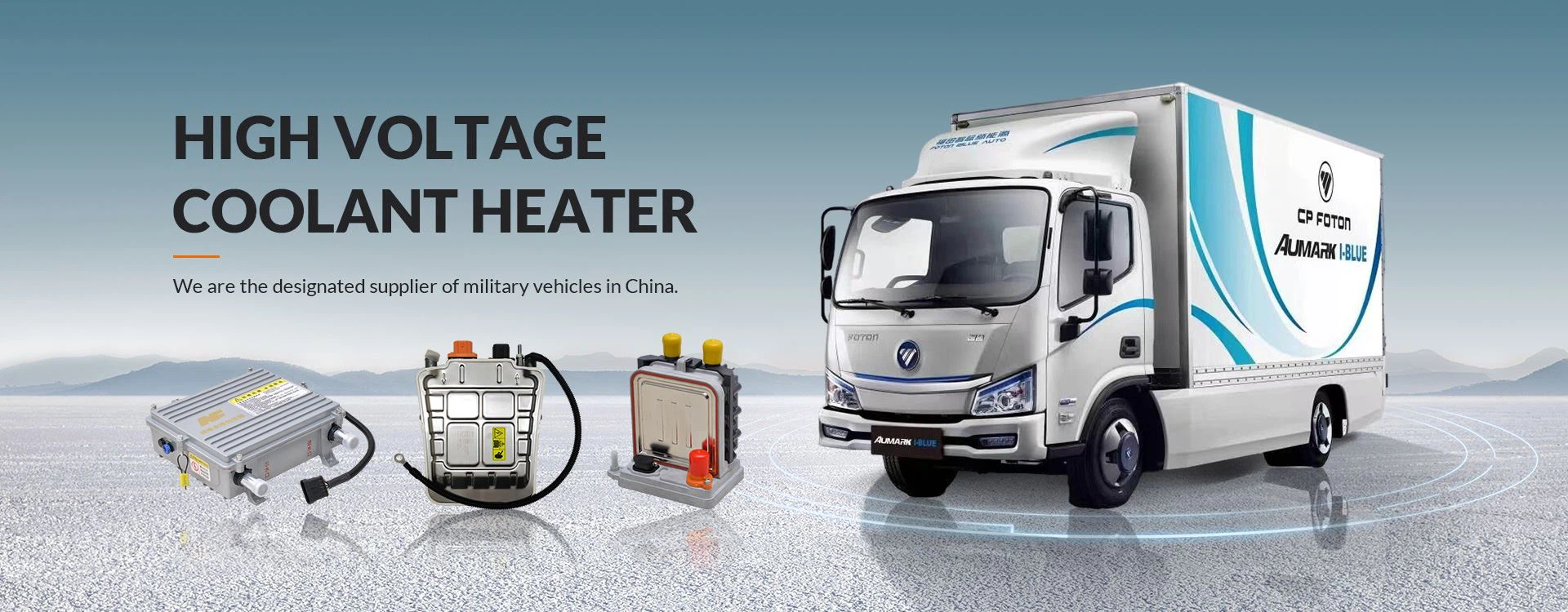
Power battery thermal management technology
1. Battery Cooling
Generally, there are three main cooling methods for power batteries of pure electric vehicles: air cooling, liquid cooling and direct cooling.
1) Air cooling (air cooling) technology uses natural wind or cold air generated by the vehicle refrigeration system to remove heat through heat convection or heat conduction to achieve the purpose of battery cooling. Air cooling technology has the characteristics of simple system, low cost and easy maintenance, and is widely used.
2) Liquid cooling technology uses liquid as a heat transfer medium, and the liquid takes away heat when it flows through the pipes inside the power battery. The liquid used in liquid cooling is mostly coolant, which circulates in the vehicle cooling system. The heat taken away by the coolant is dissipated into the air through the radiator. Some vehicles have a heat exchanger called Chiller in the cooling system to couple the vehicle cooling system and the refrigeration system to increase the cooling effect of the system. Compared with air cooling technology, liquid cooling technology has the characteristics of strong cooling capacity, good uniformity and fast speed.
3) Direct cooling technology uses the refrigerant in the refrigeration system to directly take away the heat of the power battery, and then installs a set of expansion valves and evaporators inside the power battery. The refrigerant evaporates and absorbs heat in the evaporator. Since direct cooling technology does not have the heat exchanger of liquid cooling technology, it is more efficient. However, when the power battery is cooled, part of the refrigerant in the refrigeration system needs to be diverted, which will affect the cooling effect of the passenger compartment and reduce comfort.
2. Battery heating
Power battery heating technologies mainly include battery self-heating and using external heating elements. Battery self-heating, as the name implies, uses the heat generated by the battery during charging and discharging to increase the battery temperature, but this method has low heating efficiency and has been basically abandoned. The use of external heating elements mainly uses heating film and PTC. The heating film is tightly attached to the surface of the battery module and generates heat to increase the battery temperature when powered on. Battery heating methods are similar to cooling methods, and there are also three types: air heating, water heating, and refrigerant direct heating.
3. Thermal management system
Different methods can be selected independently for battery cooling and heating, but as the integration of vehicles becomes higher and higher, higher requirements are placed on the vehicle thermal management system. Therefore, thermal management systems that can both cool and heat batteries have emerged. Some vehicles have even developed highly integrated thermal management systems using heat pump air conditioners, organically combining the three major systems of vehicle cooling system, power battery cooling/heating, and passenger compartment cooling and heating.


