
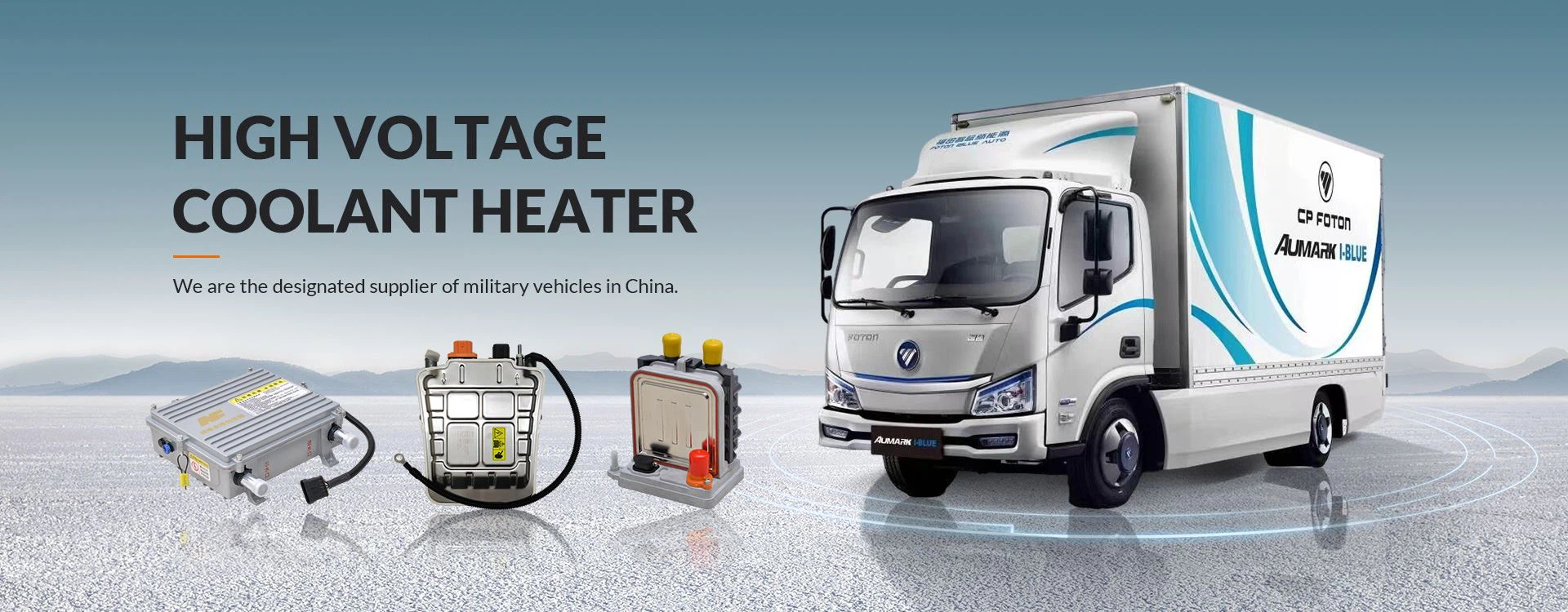
Thermal management of new energy vehicle power batteries
Power battery thermal management is one of the key technologies in the field of lithium-ion batteries. It aims to ensure the temperature safety of the battery during use and charging, and to improve the energy density and service life of the battery. Thermal management materials are the necessary technical support to achieve this goal. Below, we will introduce you to the application and analysis of power battery thermal management materials.
Thermal conductive materials
Thermal conductive materials play a vital role in power battery thermal management. Currently, commonly used thermal conductive materials include thermal conductive paste and thermal conductive sheets.
Thermal conductive paste is widely used on the contact surface between batteries and radiators, and its thermal conductivity is usually between 1-8 W/mK. As a thermally conductive material, it can effectively transfer heat from high temperature areas to low temperature areas. The preparation method of thermally conductive paste includes using thermally conductive particles such as diamond particles and silicon nitride as carriers to fill small gaps and cracks. This advantage makes thermal conductive paste widely used in power battery thermal management.
Thermal conductive sheets are usually made of copper or aluminum and have a thermal conductivity of approximately 200 W/mK. This sheet can effectively transfer heat from the battery surface to the nearby radiator evenly, thereby achieving uniform cooling of the heat on the radiator and battery surface. At the same time, the film can also improve the adsorption capacity of the radiator to the battery and prevent the radiator from falling off under vibration.

Thermal barrier material
A thermal barrier material is a material that slows the flow of heat, with a thermal conductivity typically in the range of 0.2-0.35 W/mK. In addition, the material is easy to process and shape. Thermal barrier materials are often used inside battery modules and installed between battery cells and radiators to reduce temperature gradients, thereby lowering the battery surface temperature and ensuring battery safety.
There are two main categories of thermal barrier materials: insulating materials and composite insulation materials. Insulating materials are mainly used to reduce battery surface temperature and are usually installed between battery cells and radiators. Its raw materials mainly include glass fiber and ceramics. Composite insulation materials combine a variety of performance materials, such as nanosilica and polymers, to prevent the conduction of heat flow and current. In addition, composite insulation materials have high strength and durability, so they are widely used.
Phase change materials
Phase change materials are substances that can absorb and release large amounts of thermal energy efficiently, and their melting points are usually very stable. During charging, when the phase change material reaches a certain temperature, it can absorb a large amount of heat, thereby reducing the peak surface temperature of the battery during charging and discharging, maintaining a stable battery surface temperature, and thereby extending the battery life. Therefore, phase change materials have been widely used in power battery thermal management. Phase change materials are mainly divided into two types: organic phase change materials and inorganic phase change materials. Organic phase change materials are usually used in low temperature ranges and have high purity, but they absorb and release heat relatively slowly. Inorganic phase change materials absorb and release heat faster, but problems such as easy melting at high temperatures and toxicity also limit their application scope.
In short, optimizing the thermal management of power batteries is the key to improving their safety, energy density and service life. Using materials such as thermally conductive materials, thermal barrier materials, and phase change materials is an effective approach. Of course, material selection should also consider factors such as cost and sustainability to achieve the best value for money. The application of these measures can significantly improve the performance of power batteries.


