What is Electric Vehicle Thermal Management?
Electric vehicles (EVs) are becoming increasingly popular due to their ability to reduce greenhouse gas emissions and combat climate change. However, one of the most important issues to be addressed is thermal management in electric vehicles. Unlike traditional internal combustion engines, electric vehicles use batteries to power electric motors and related systems. These batteries generate heat that can affect their efficiency, safety, and lifespan. Therefore, proper thermal management is essential to maximize performance and extend the life of electric vehicle batteries.
The Need for Thermal Management in Electric Vehicles
In electric vehicles, heat is generated by a variety of components, including the battery, motor, power electronics, and other systems. This heat can damage battery cells, shorten their lifespan, and even cause failure. Overheating can also cause problems with an electric vehicle's electrical systems, such as the charging system, which can further affect efficiency and overall performance.
Therefore, maintaining appropriate temperatures in the various systems of electric vehicles is very important. This can be difficult considering that different components generate different amounts of heat at different times. To overcome these problems, electric vehicles are introducing comprehensive thermal management systems that effectively regulate heat and maintain optimal temperatures.
Electric Vehicle Thermal Management Technology
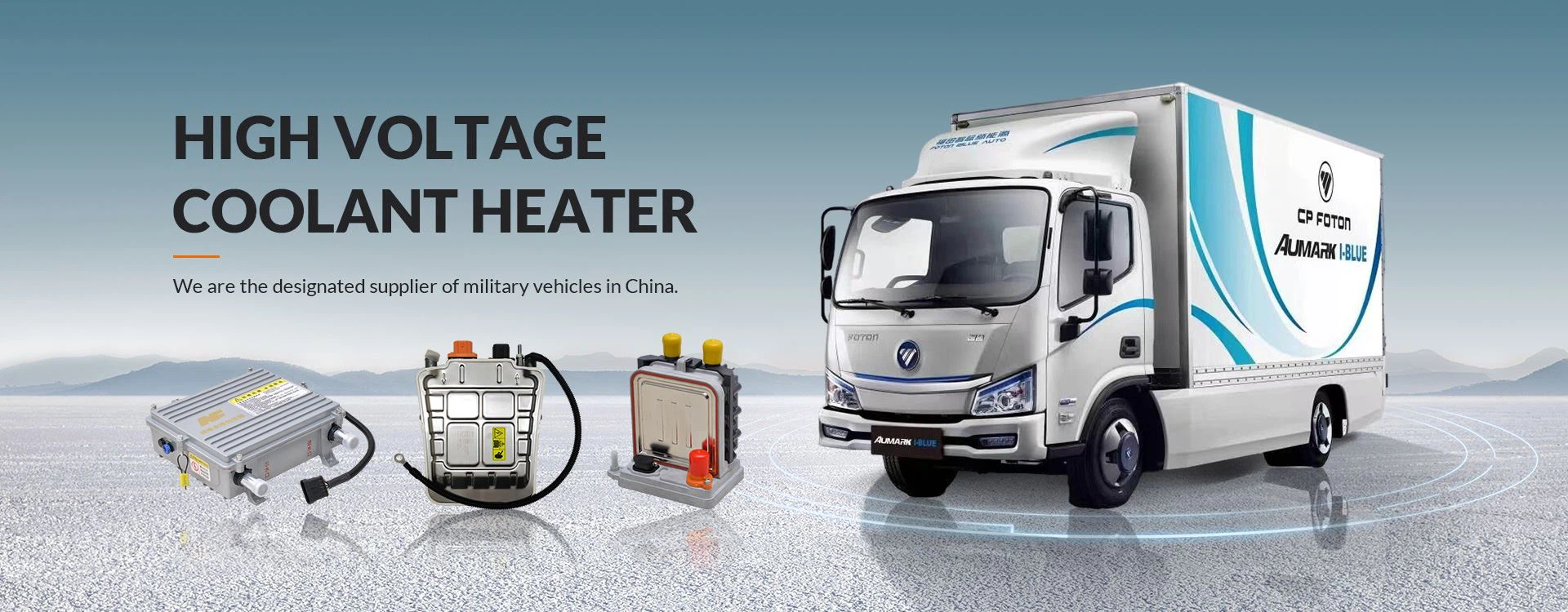
There are several ways to manage heat in electric vehicles, including liquid and air cooling systems, phase change materials, and PTC electric heating elements. Liquid cooling systems circulate coolant through the battery cells to remove heat and maintain a constant temperature. Air cooling systems use fans to remove heat from components and dissipate it outside the vehicle. Phase change materials help maintain a constant temperature by absorbing, storing, and releasing heat over time.
One promising heating control technology for electric vehicles is the positive temperature coefficient (PTC) electric heating element. PTC elements are made of ceramic material with a positive temperature coefficient, meaning their resistance increases with temperature. These elements can heat up when connected to a power source and maintain a constant temperature while connected to a power source. This allows for precise temperature control and reduces the need for complex cooling systems.
Conclusion
As electric vehicles become more popular, thermal management of these vehicles becomes increasingly important. Proper thermal management is essential to maintaining peak performance and extending the life of electric vehicle batteries and electrical systems. While traditional liquid and air cooling systems have proven effective, new technologies such as PTC electric heating elements promise to reduce the complexity and improve the efficiency of electric vehicle thermal management systems. As the electric vehicle market continues to grow, advances in thermal management technology will undoubtedly help ensure the safe and efficient operation of electric vehicles in the future.