

Battery Thermal Management Systems vs. Energy Storage Thermal Management Systems
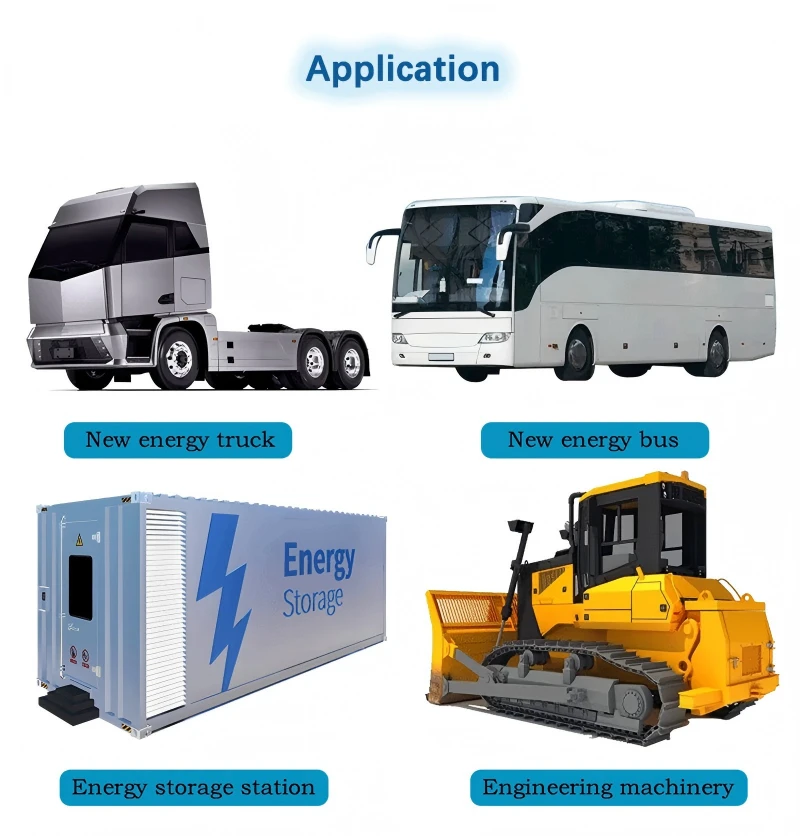
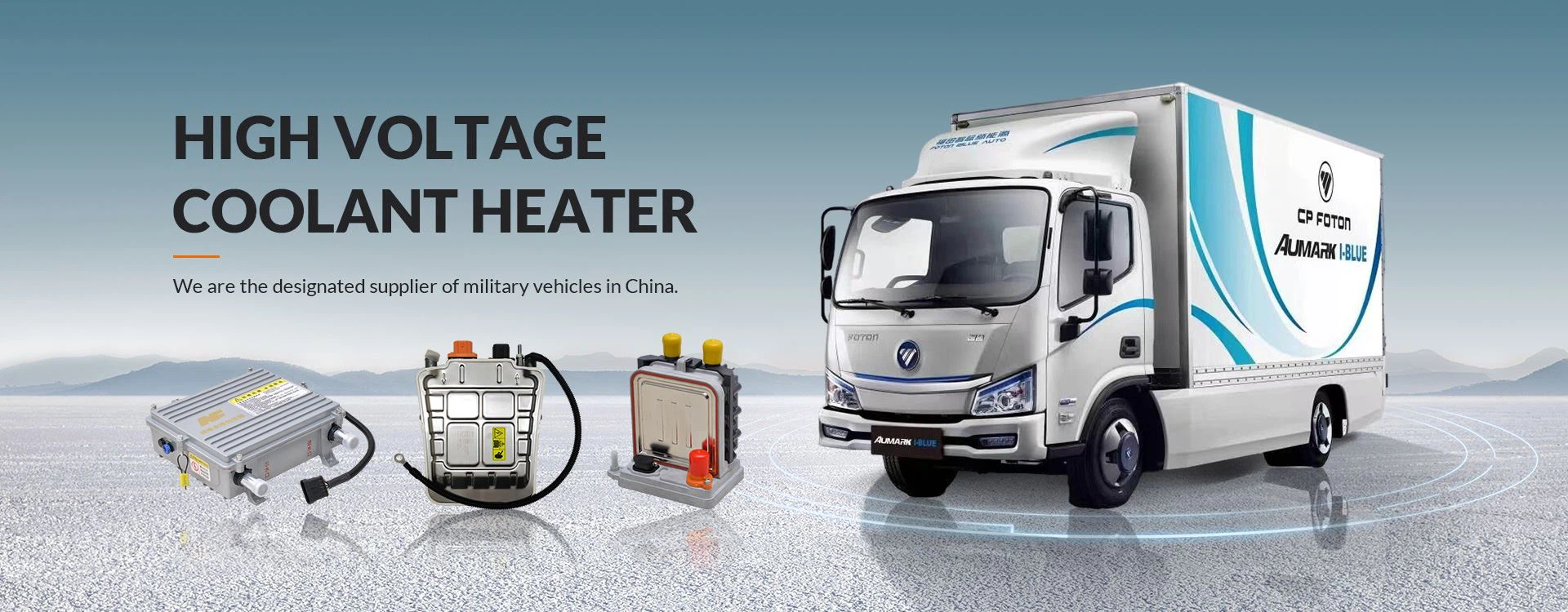
The Battery Thermal Management System (BTMS) focuses primarily on individual battery cells or packs, serving as a system integrated directly with the battery unit itself. It centers on temperature control at the cell level: monitoring cell temperatures and employing cooling or heating mechanisms to maintain temperatures within an optimal range, minimize temperature differentials between cells, and prevent individual cells from overheating or undergoing thermal runaway. Common applications include battery packs for new energy vehicles and small battery modules. Its scope is limited to the thermal management of the battery itself, excluding broader, station-level equipment.
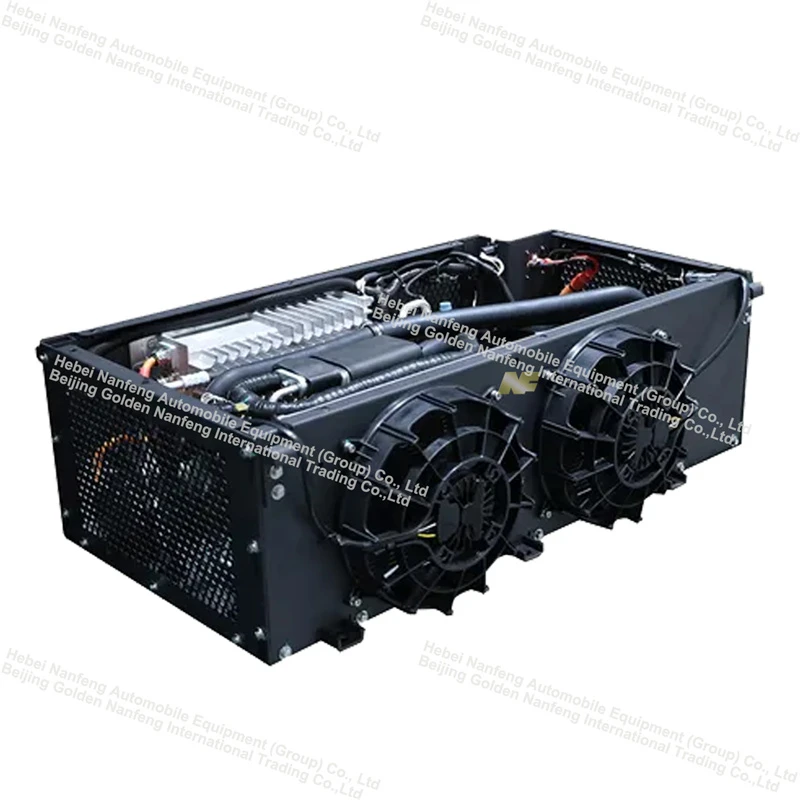
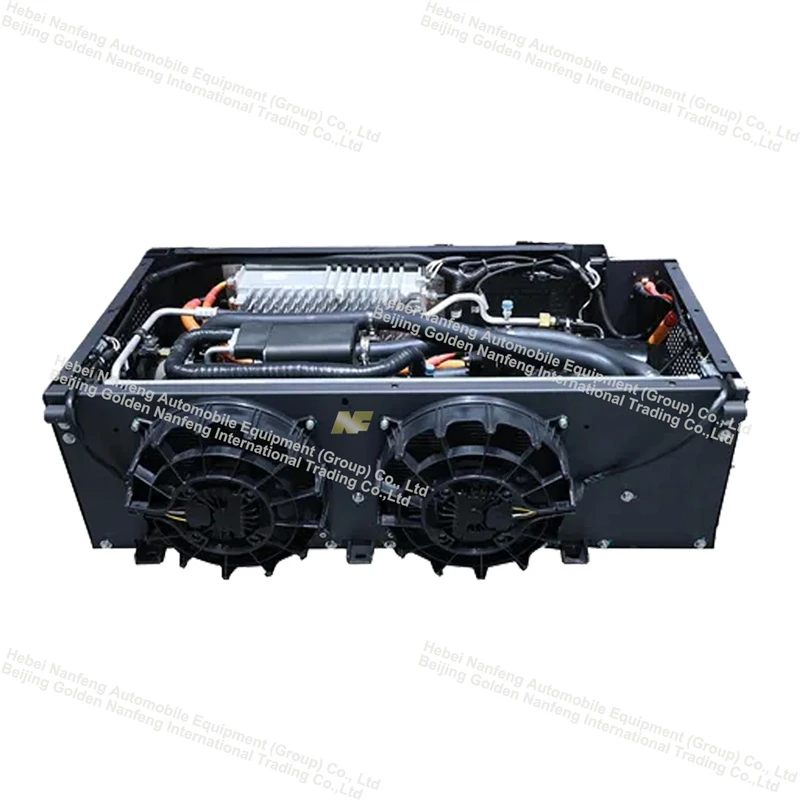
In contrast, the Energy Storage Thermal Management System operates at the energy storage station level and encompasses a much wider scope; while it builds upon battery pack thermal management, it also addresses the needs of other equipment across the entire station. Beyond regulating the temperature of battery clusters, it manages the operating environment for electrical components within the storage enclosure-such as the BMS, PCS, high-voltage cabinets, and cabling-while also handling dehumidification, condensation prevention, and airflow management for the enclosure, and coordinating with the station's fire safety and monitoring systems. Typical application scenarios include containerized energy storage systems and industrial or commercial energy storage stations.
Key Differences:
1. Scope of Control
Battery Thermal Management: Focuses on the interior of the battery pack or cluster, specifically targeting the battery cells.
Energy Storage Thermal Management: Covers the entire energy storage container or station, including batteries, all internal electrical equipment, and the internal environment.
2. Design Objectives
Battery Thermal Management: Prioritizes ensuring cell consistency and suppressing thermal runaway in cells.
Energy Storage Thermal Management: Beyond battery temperature control, it manages the internal environment's temperature and humidity to prevent condensation-induced corrosion of electrical components, while also supporting integrated fire safety systems and long-term station operation and maintenance.
3. Operating Conditions and Scale
Battery Thermal Management: Typically follows the dynamic operating conditions of a vehicle; involves significant fluctuations in charge/discharge and operates within a compact space.
Energy Storage Thermal Management: Utilizes fixed containerized units; involves sustained high-power charging and discharging over long periods and the parallel connection of multiple clusters, requiring the balancing of temperature differences across these clusters.
4. System Composition
Battery Thermal Management: Water pumps, piping, heat exchangers, PTC heaters, cell temperature sensors, and BMS.
Energy Storage Thermal Management: Builds upon the battery thermal management system (BTMS) by adding internal air conditioning, dehumidification modules, environmental sensors, and a system-level controller that interfaces with the station's Energy Management System (EMS).
Battery thermal management refers to temperature control within the battery pack. In contrast, energy storage thermal management encompasses a comprehensive environmental and temperature control solution for the entire energy storage container or power station, including battery thermal management.