

Differences in Thermal Management Systems Between New Energy Vehicles and Conventional Vehicles
As market demand continues to grow, higher standards are being set for product reliability. For new energy vehicles, the battery is the most critical component; its durability and driving range are primary concerns for users, and thermal management is a key technology influencing both battery lifespan and cold-weather range. This article analyzes thermal management system technologies for new energy vehicle batteries.
Overview of Power Battery Thermal Management Systems
The stringent requirements placed on battery thermal management systems by electric vehicles have driven continuous technological advancements in this field. A key aspect of this progress is the optimization of battery heat dissipation structures. The powertrain of an electric vehicle comprises various components-including battery modules and electric motors-that generate significant power output and heat. Given their large size and the substantial heat generated during operation, batteries require effective cooling and heat dissipation measures to ensure optimal performance. Implementing thermal management not only extends the service life of power batteries but also effectively reduces energy loss.
Differences from Thermal Management in Conventional Vehicles
Thermal management in conventional vehicles is relatively straightforward, lacking complex control systems or intricate componentry. Its primary objective is simply to maintain the engine temperature within an optimal operating range; cabin heating relies on waste heat generated by the engine, requiring no additional power consumption.
New Energy Vehicles (NEVs) differ significantly from conventional vehicles in terms of system architecture. This necessitates more demanding requirements for component layout and installation, as well as increased space within the engine compartment-a challenge compounded by the diverse characteristics of different NEV types. Pure electric vehicles, for instance, lack an engine to drive coolant circulation or provide waste heat for cabin warming.
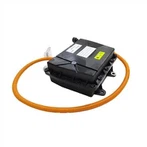
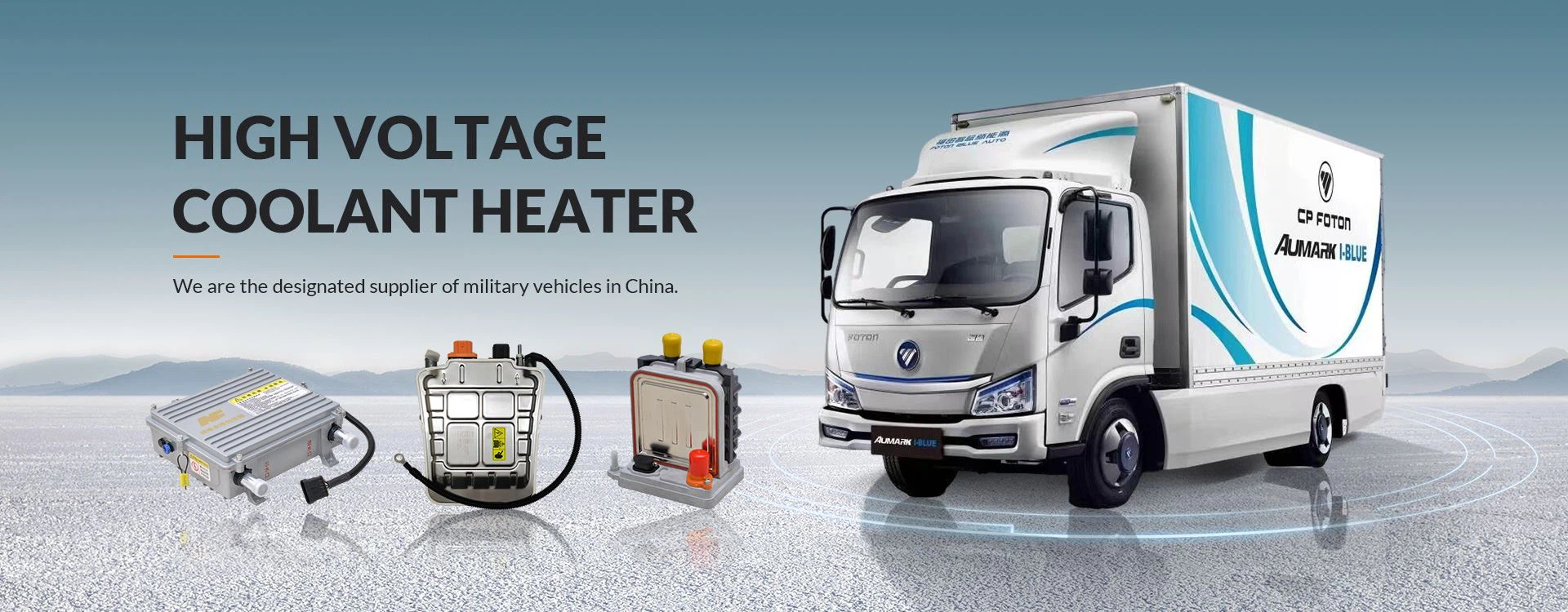
Hybrid vehicles present their own unique challenges; due to specific control strategies, the engine may not be running at all times, meaning it cannot consistently drive coolant circulation or provide a real-time heat source for the cabin. Consequently, NEV thermal management systems incorporate independent electric water pumps to drive coolant circulation. Cabin heating is typically achieved via electric heating: a dedicated PTC (Positive Temperature Coefficient) heater warms the coolant, which then circulates to the vehicle's heater core to provide warmth-currently the prevailing method. An alternative approach involves directly heating the air passing through the evaporator and blowing it into the cabin using a fan; however, this method is rarely employed due to safety concerns regarding the vehicle interior.


Water-Cooled Unit Operating Modes
The battery thermal management system (TMS) features two operating modes-cooling and self-circulation-to address varying battery thermal management requirements.
Cooling Mode: This mode utilizes the vapor-compression refrigeration principle to cool the refrigerant. Once connected to the coolant circuit, a plate heat exchanger facilitates coolant cooling, while a water pump drives the coolant to cool the battery, effectively managing issues such as high ambient temperatures or excessive temperature rises caused by charging and discharging.
Self-Circulation Mode: The compressor remains inactive; the water pump alone drives coolant circulation to provide battery cooling during periods of low thermal load.
Control Strategy: The controller connects to the Battery Management System (BMS) via CAN communication to receive and interpret BMS messages. Based on the parsed parameters and built-in control strategies, the controller manages the compressor and regulates the speeds of the fan and water pump via PWM communication to automatically adjust output power. Simultaneously, it transmits controller status data back to the BMS to ensure battery thermal management needs are met.
Control Process
From coolant circulation driven by electric water pumps and vapor-compression refrigeration via compressors to the real-time adjustment of fan and pump speeds by the TMS controller-facilitated by CAN communication with the BMS-battery thermal management in new energy vehicles is evolving from simple temperature control to multi-mode, intelligent coordination. Consequently, compressors, valves, heat exchangers, and integrated control algorithms have become critical factors determining battery lifespan and low-temperature driving range.