


Essential components of an electric air conditioning system
The electric air conditioning system is the core of thermal management in new energy vehicles. Replacing the traditional engine belt drive with electric drive, its essential components and four core parts are as follows:
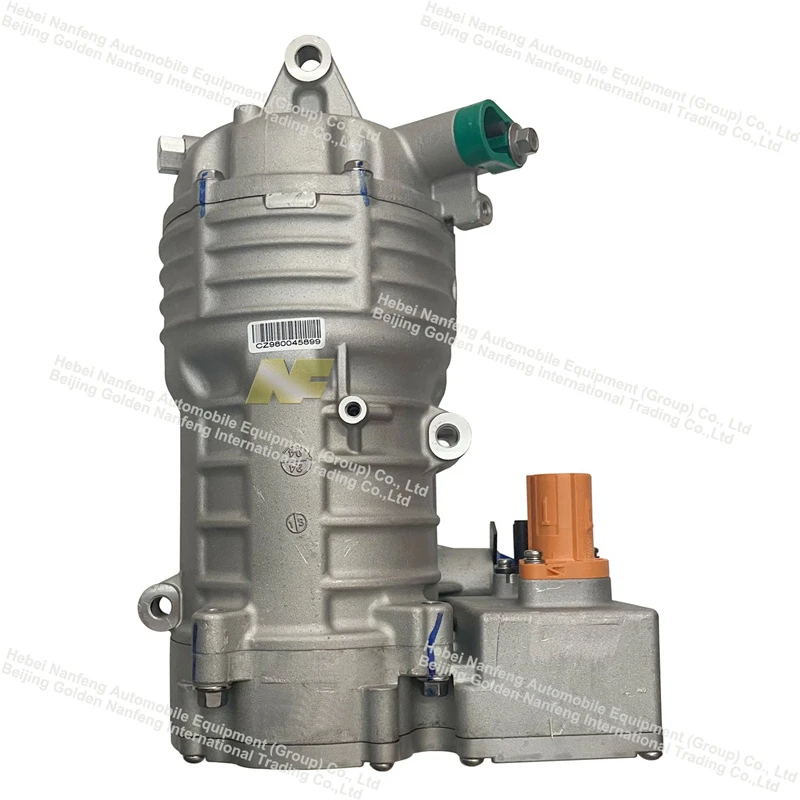
Electric Air Conditioning Compressor – The "heart" of the system. Directly powered by a high-voltage battery, it uses a built-in permanent magnet synchronous motor to drive a scroll or piston mechanism, compressing the low-temperature, low-pressure gaseous refrigerant into a high-temperature, high-pressure gaseous state, thus driving the refrigeration cycle. Power is typically 1.5–10kW, requiring a 400V/800V high-voltage platform for the vehicle. It features a built-in frequency converter for stepless speed adjustment according to heat load, resulting in significant energy savings compared to a fixed-displacement compressor.

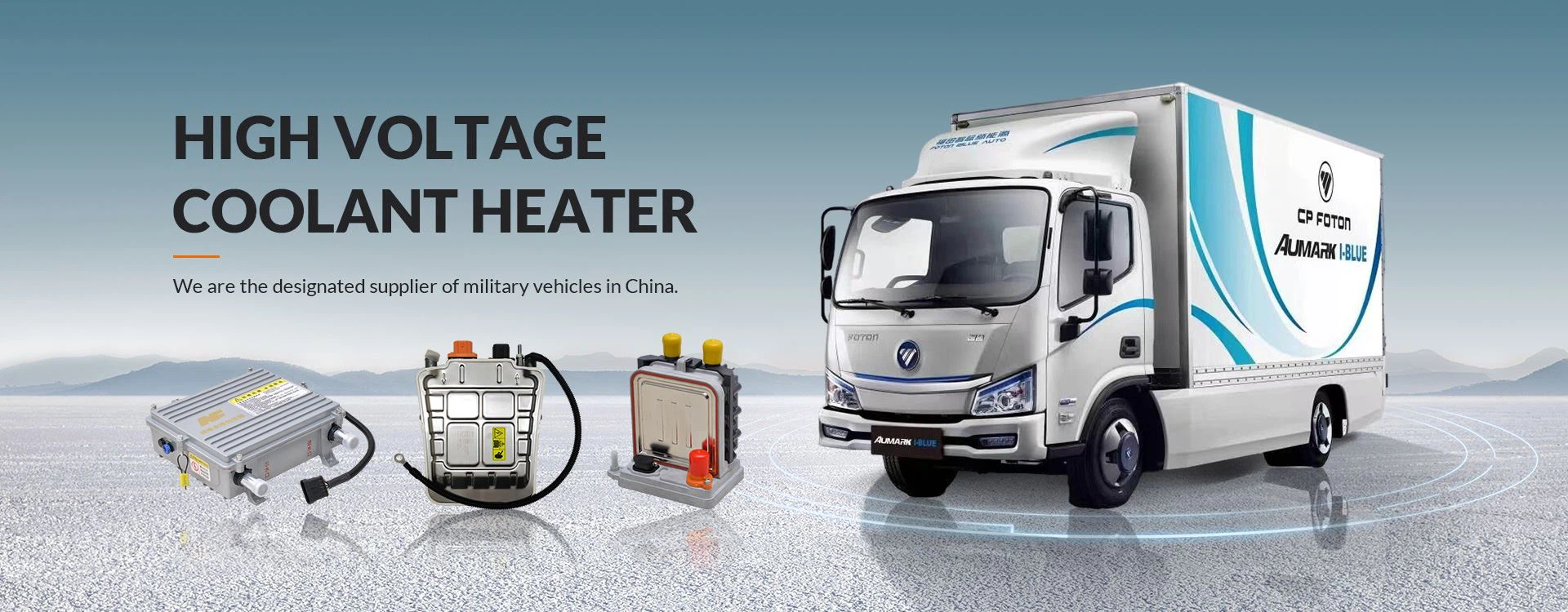
PTC Electric Heater – The core heat source for electric air conditioning heating. Utilizing a positive temperature coefficient ceramic element, it heats the air or coolant, which is then delivered to the passenger compartment through the heater core. Power is commonly 1–7kW, featuring self-limiting temperature characteristics; as temperature increases, resistance increases, and power automatically decreases, ensuring high safety. In heat pump air conditioning systems, PTCs are often used as an auxiliary heat source in low-temperature environments to compensate for the insufficient heating capacity of the heat pump in extremely cold conditions.
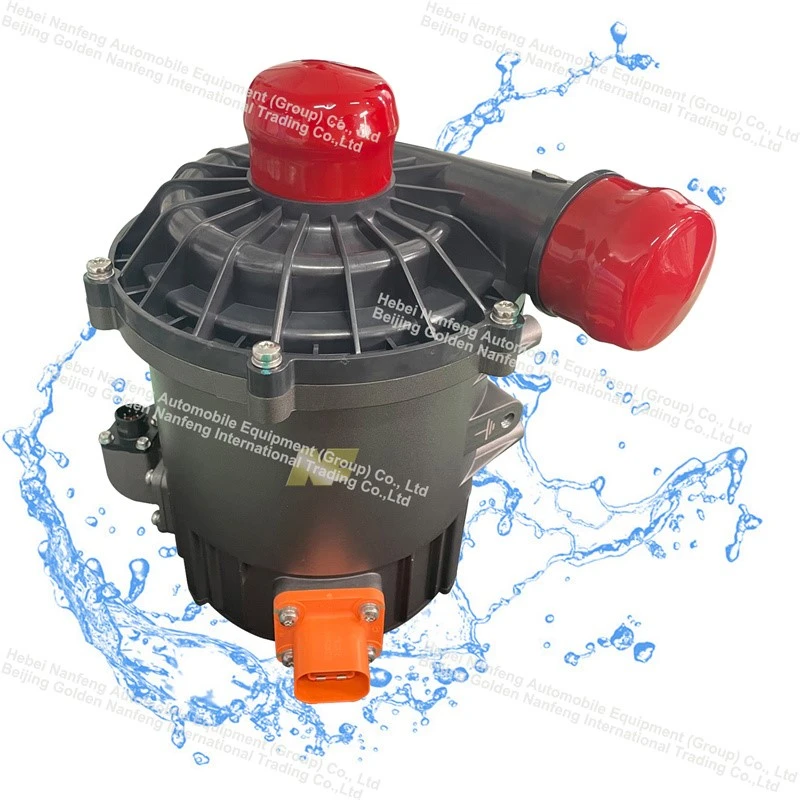
Electric Water Pump – The power source for coolant circulation. Driven by a brushless DC motor, the impeller propels antifreeze through the motor, battery pack, PTC heater, and radiator, achieving waste heat recovery and temperature equalization. Compared to mechanical water pumps, the electric water pump can independently adjust its speed as needed and continues to operate even when the engine is off. It is a key component for battery temperature control and motor cooling.
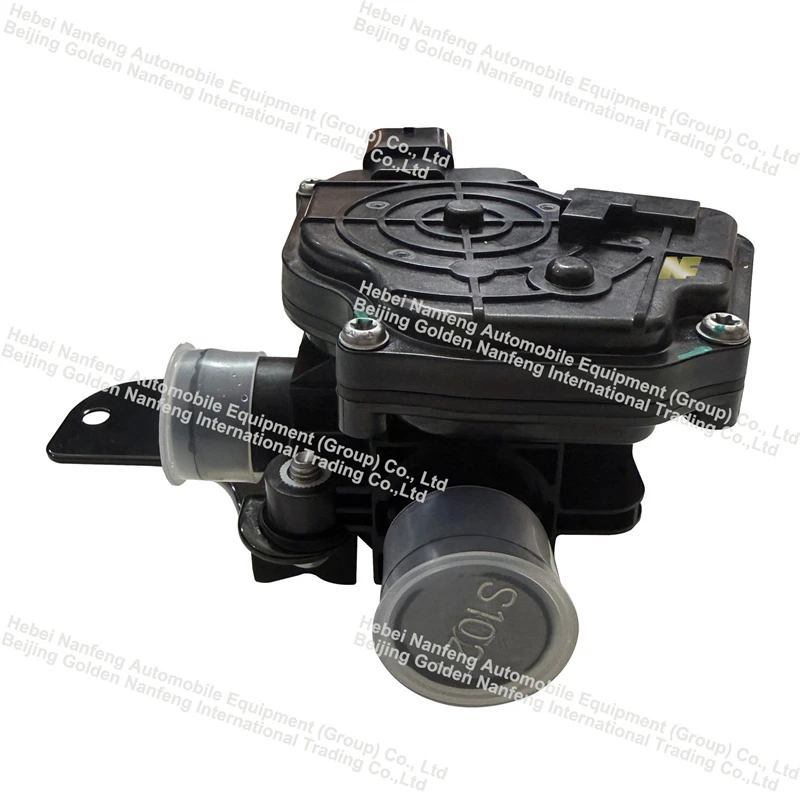
Three-Way Valve – The "traffic hub" of the thermal management loop. It switches the coolant flow direction electrically or electromagnetically, enabling flexible switching between multiple modes such as cooling, heating, defrosting, and battery preheating. For example, in heating mode, PTC-heated coolant is directed to the heater core; in waste heat recovery mode, motor-cooled heat is directed to the battery pack for heating. The three-way valve allows all thermal management subsystems to share a single piping, significantly simplifying the structure and reducing costs.
In addition to the four core components mentioned above, the system also requires the coordinated operation of components such as the condenser, evaporator, expansion valve, liquid receiver dryer, blower, electric fan, air conditioning controller (ECU), and temperature/pressure sensor to form a complete cooling and heating circuit.


