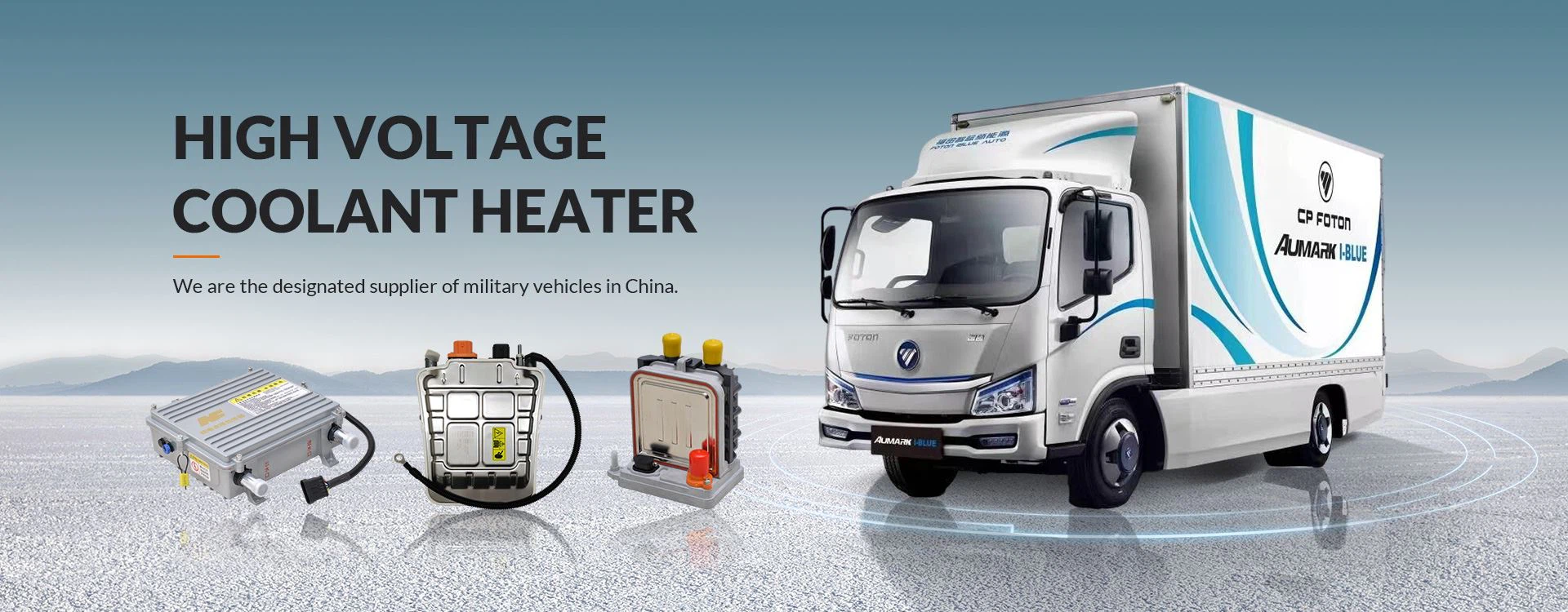


How to select a high-voltage PTC coolant heater for an EV?
Selecting a proper high‑voltage PTC coolant heater is vital for electric vehicle BTMS and cabin heating. It directly affects battery cold-start performance, driving range, and thermal safety.
First, match the voltage platform. Mainstream EVs adopt 400V or 800V high‑voltage systems. The heater's working voltage range must cover the actual fluctuation of the traction battery. Mismatched voltage causes insufficient heat output or overcurrent risks. Meanwhile, confirm the low‑voltage control supply, usually 12V or 24V for commercial vehicles.
Second, define heating power based on application scenarios. For passenger car battery preheating, 3kW–5kW is common. Light commercial vehicles often use 5kW–8kW, while heavy‑duty trucks and electric buses may require 8kW–12kW. Power calculation should consider the lowest ambient temperature, battery capacity, target heating rate, and coolant flow. In frigid regions, reserve extra power margin.
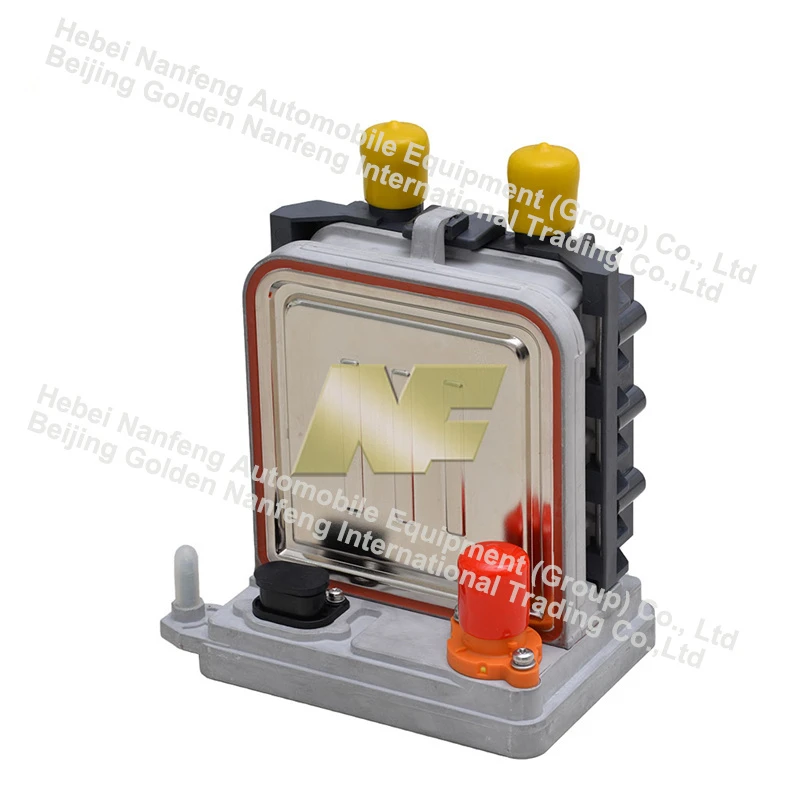
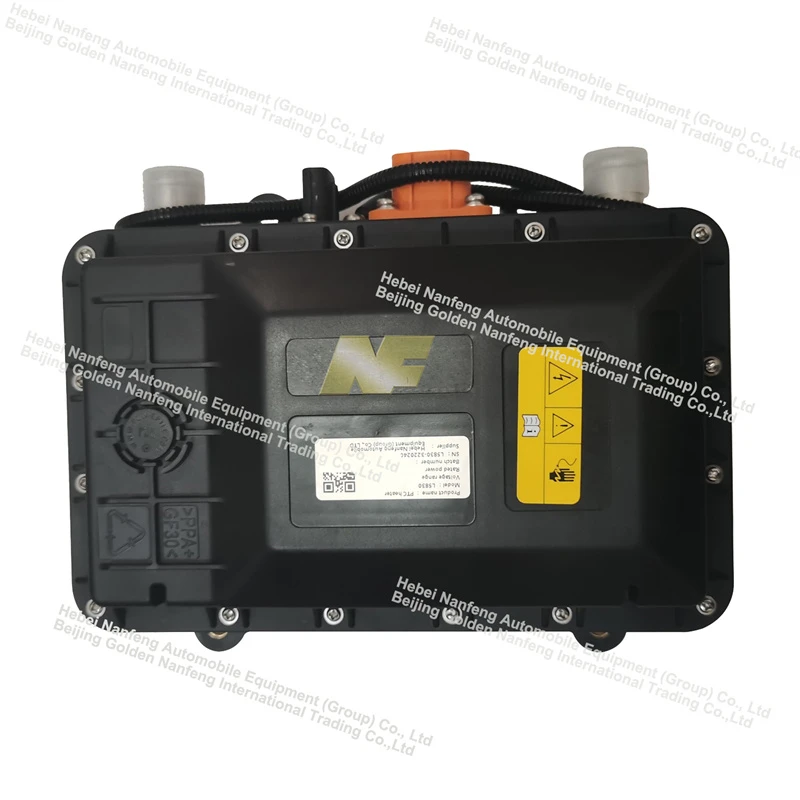
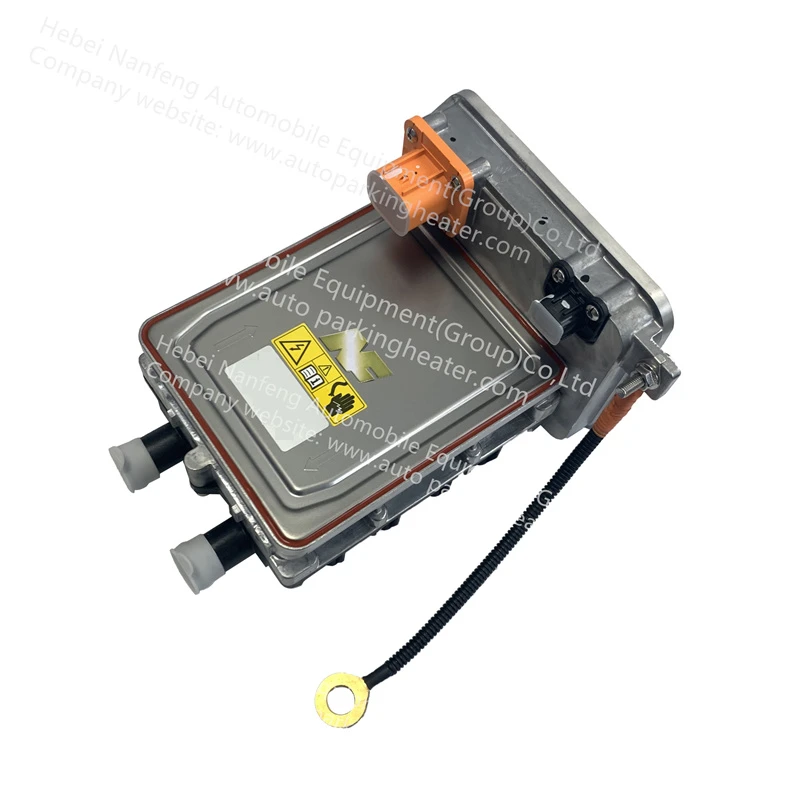
Third, check control and communication compatibility. Most heaters support CAN 2.0 or LIN communication to receive commands from the thermal management controller. It needs closed‑loop temperature regulation and step‑less power adjustment to avoid overheating. Built‑in protection functions, such as over‑temperature, over‑pressure, leakage, and dry‑burn protection, are mandatory for high‑voltage safety.
Fourth, verify mechanical and environmental specifications. Check port size, installation layout, pressure drop, and IP rating. IP67 or IP68 is preferred for splash and dust resistance. The heater must withstand long‑term vibration and wide temperature cycles from -40℃ to 125℃. Thermal efficiency above 95% helps reduce power consumption and save cruising range.
Finally, confirm certification and quality. For overseas markets, CE is essential. Review reliability test reports, service life, and after‑sales support. Balance cost, performance, and durability to avoid premature failure under harsh working conditions.