

Trends in the Integrated Development of
Thermal Management Compressors
Integration can be understood at two levels: integration within the compressor unit itself (incorporating the motor, inverter, PTC heater, etc.) and deep integration of the compressor with the broader thermal management system (such as incorporating heat pump modules or secondary circuits).
Traditional approach:
An electric scroll compressor paired with an external high-voltage inverter and a standalone PTC heater. This configuration involves numerous high-voltage harnesses, refrigerant lines, and connectors, leading to a high number of interfaces, an increased risk of leaks, significant electromagnetic interference (EMI), and a large footprint within the engine compartment.
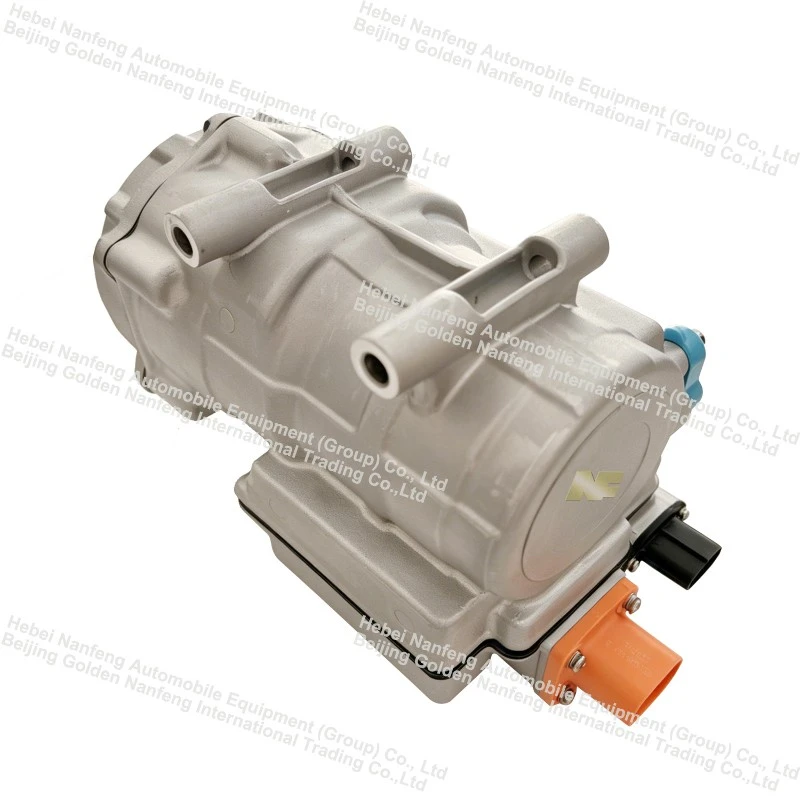
Integrated electric compressors:
These units house the motor, power inverter, drive control board, sensors, and sometimes even the PTC heating module within a single compressor housing or a shared enclosure-forming "two-in-one" or "three-in-one" systems. At a more advanced level, the compressor is integrated with heat exchangers, valves, and gas-liquid separators to form a unified heat pump assembly (system-level integration). Scroll-type compressors remain the dominant choice, while rotary-type compressors are gradually gaining traction in lower-displacement vehicle models.
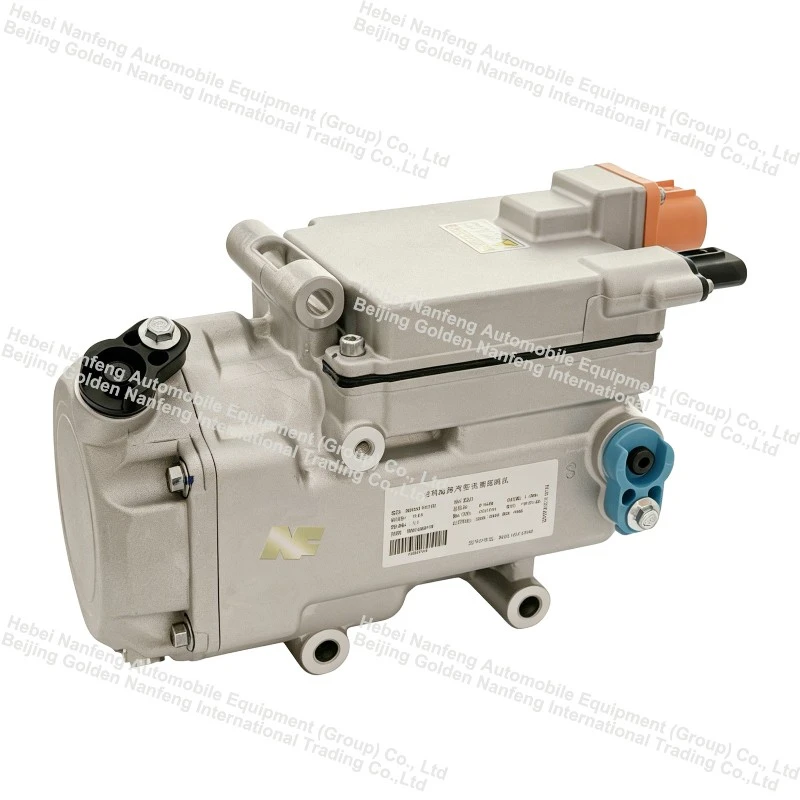
Key benefits of integration:
1. Reduction in high-voltage cables and connectors, which lowers high-voltage safety risks and electromagnetic compatibility (EMC) interference.
2. Fewer sealed interfaces, decreasing the probability of refrigerant leaks.
3. A smaller footprint in the engine compartment and reduced vehicle weight-typically saving 5–10 kg per vehicle and freeing up more than 20% of the installation space in the front compartment.
4. Shorter system matching and calibration cycles, as OEMs shift from procuring individual components to sourcing complete modules.
5. The ability to cool the inverter using refrigerant or oil, which lowers the temperature of power components and enhances continuous operational capability.