

BTMS Integration Logic (Workflow)

Mode 1: High-Temperature Cooling (Fast Charging / Hill Climbing)
BMS detects cell temperature > threshold (e.g., 35°C) → requests cooling.
VCU opens the solenoid valve and activates the electric water pump; coolant circulates through the battery cold plate, absorbing heat from the cells → heated coolant flows to the plate heat exchanger → vehicle A/C compressor starts; refrigerant extracts heat from the coolant in the heat exchanger and rejects it via the external condenser.
Heat pump models: Operate as a standard refrigeration circuit during high-temperature conditions.
Mode 2: Low-Temperature Preheating (Winter Startup / Low-Temp Charging)
BMS detects battery temperature < threshold (e.g., 10°C) and initiates preheating mode.
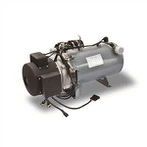
Valves switch the circuit; coolant bypasses the heat exchanger and passes through the PTC heater → heated fluid flows into the battery cold plate, uniformly raising cell temperatures until the target (approx. 25°C) is reached; PTC power is then reduced or the unit is turned off.
Heat pump models: Prioritizes using waste heat from the heat pump system (motor waste heat + ambient heat) to reduce PTC power consumption and preserve driving range.
Mode 3: Thermal Maintenance / Temperature Equalization (Normal Temperature Cruising)
The water pump circulates fluid at low speed and low flow rate; only minor temperature differences between cells are addressed; cooling and PTC systems remain off to minimize energy consumption.
Mode 4: Thermal Runaway Protection (Fail-Safe)
Sudden temperature spike in a cell triggers a thermal runaway warning:
High-voltage power is cut off; valves adjust to increase coolant flow; thermal insulation barriers isolate adjacent cells; explosion-proof valves open to release high-temperature gases, delaying thermal propagation and buying time for occupant escape.