
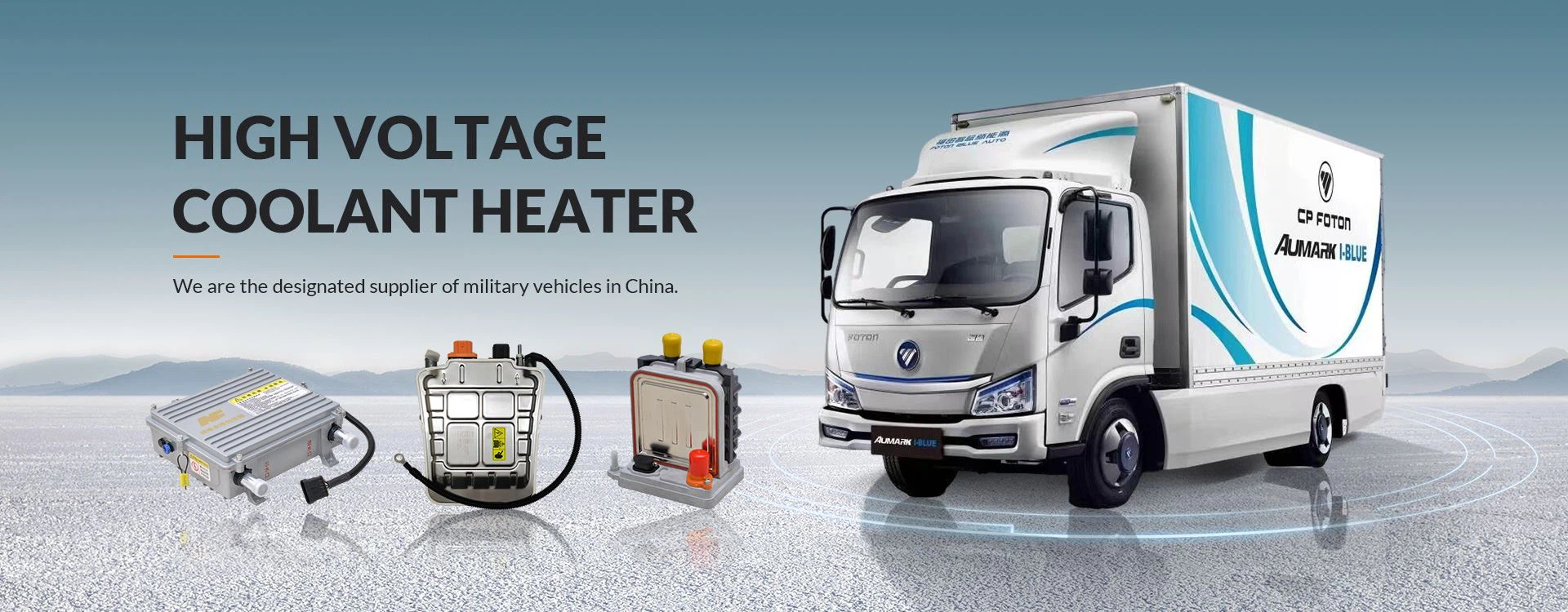


Comprehensive Thermal Management for Electric Vehicles
With the continuous popularity of electric vehicles, in order to solve the cruising range and thermal safety issues of electric vehicles in winter and summer, thermal management of electric vehicles is required. Thermal management in electric vehicles is mainly divided into motor system thermal management, battery system thermal management and air conditioning system thermal management. These three systems are the main sources of heat generated by electric vehicles. In previous electric vehicles, the thermal management of the three major systems was usually independent, lacking unified management of the entire vehicle's heat, and the thermal management efficiency was low. In the new generation of electric vehicles, integrated management of the heat of the entire vehicle is carried out from the beginning of the design, and the heat generated by the three major systems is uniformly managed, thereby greatly improving the thermal management efficiency of the entire vehicle and reducing the impact of temperature on the vehicle. Impact on electric vehicle performance.
The motor drive system of an electric vehicle converts the electrical energy in the battery into mechanical energy to provide power for the vehicle to move. During the operation of the motor, some energy will be lost in the form of heat energy, such as core loss, winding loss and mechanical loss. When the power battery system provides electric energy to the car, the battery pack will release some heat due to continuous discharge. The continued accumulation of heat will cause the temperature of the battery pack to rise. There are many sources of heating and cooling loads in the air conditioning system of electric vehicles, such as the heat emitted by people inside the car, the heat introduced into the cabin from the external environment through the body structure, the heat introduced into the cabin through the motor system and power battery system, and the heat entering the cabin through the vehicle ventilation system. of heat, etc. When studying the thermal management system of electric vehicles, we must focus on the heat sources inside the car and the total amount of heat inside the car in order to adopt targeted heat management.

1. Thermal management of power battery
Thermal management of power batteries is mainly responsible for cooling the battery pack at high temperature or heating the battery pack at low temperature. Traditional battery thermal management systems mainly rely on air or liquid media for cooling and heating. However, the thermal management system using air media has poor heat transfer performance and cannot adapt to the heat dissipation and heating needs of the current densely arranged battery packs, while the thermal management system using liquid media is too complex, that is, it will add extra mass, and there are also problems Risk of fluid leakage. Therefore, the battery thermal management system of liquid medium is also not suitable for the battery thermal management of current electric vehicles. At present, the battery thermal management system of electric vehicles mainly adopts a composite thermal management method, which uses a variety of thermally conductive materials as a medium, such as porous media, phase change materials, nanomaterials, metal fins and other thermally conductive materials combined with air media or liquid medium. In addition, a composite thermal management system composed of high-efficiency heat transfer elements composed of heat pipes combined with air, liquid, and phase change materials is also the focus of research in the field of battery thermal management.
2.Thermal management of passenger compartment
The electric vehicle air-conditioning system is mainly responsible for thermal management of the vehicle passenger compartment, thereby providing a comfortable driving and riding environment for the driver and passengers, thereby ensuring the driver's safe driving. The current air conditioning system mainly used in electric vehicles is a combination of compression single-cooling air conditioners and electric heaters. This air conditioning system has mature technology and is not much different from that of fuel vehicles. However, the electric heater will use the electric energy in the power battery, resulting in additional energy output from the power battery and reducing the cruising range of the electric vehicle. Therefore, the current research focus on electric vehicle air conditioning systems is the replacement of heating equipment in traditional air conditioning systems by heat pump air conditioning systems. At the same time, heat pump air conditioning systems also need to overcome practical problems such as reduced heat pump efficiency and frost formation in winter. For this reason, people have begun to focus on auxiliary heating technology and waste heat recovery technology to improve the efficiency of heat pump air conditioning systems in cold environments. In addition, chlorofluorocarbon refrigerants have gradually withdrawn from the application scope of refrigerants in electric vehicle air conditioning systems to further enhance the environmental protection effect of new electric vehicles.
3.Thermal management of motor drive system
The motor generates a lot of heat during operation. Therefore, motor thermal management is mainly responsible for cooling the drive motor. The cooling medium used in the motor thermal management system is mainly air cooling or liquid cooling. Air cooling takes away the heat generated by the motor through flowing air, but the air cooling effect is relatively poor and causes ventilation losses of the motor, which has a certain impact on the working efficiency of the drive motor. The liquid cooling type has a better cooling effect and can quickly take away the heat released by the motor, thereby creating a long-term working environment with suitable temperature for the motor. In order to further improve the efficiency of liquid-cooled motor thermal management systems, people are focusing on the optimal design of coolant flow channels and the selection of coolant.


