


Electronic Water Pumps-The "Unsung Heroes" of Vehicle Safety
Within the complex systems of new energy vehicles, the electronic water pump-though unassuming-acts as a "behind-the-scenes hero" that ensures the vehicle's efficient and safe operation, serving as the core actuating component of the thermal management system.
Unlike traditional engine-driven mechanical water pumps, the electronic water pump is powered by an internal motor, allowing for stepless speed control independent of the engine's RPM. This characteristic makes it an indispensable component for new energy vehicles for the following reasons:
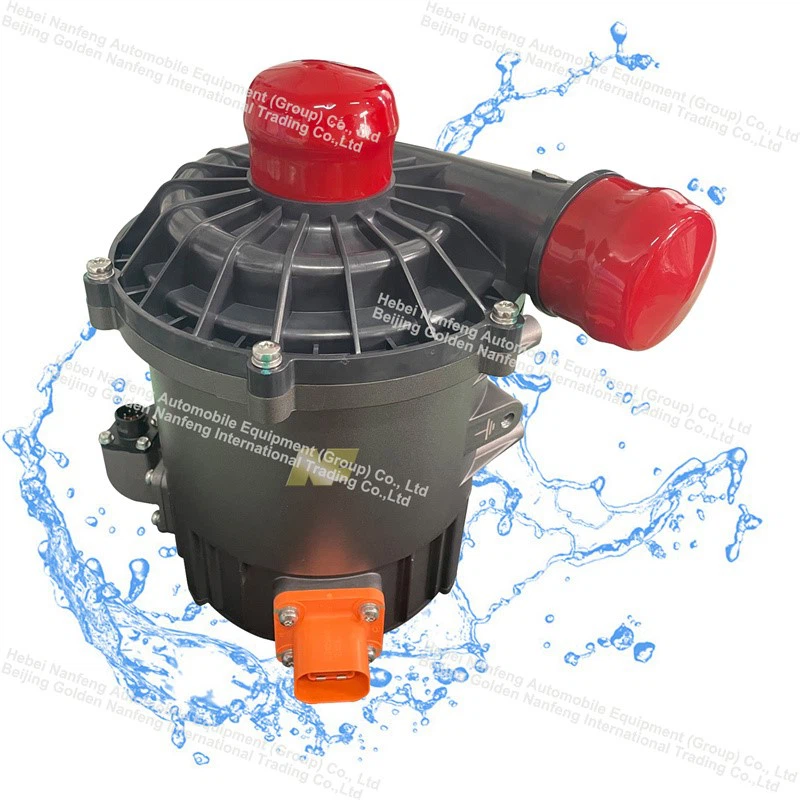
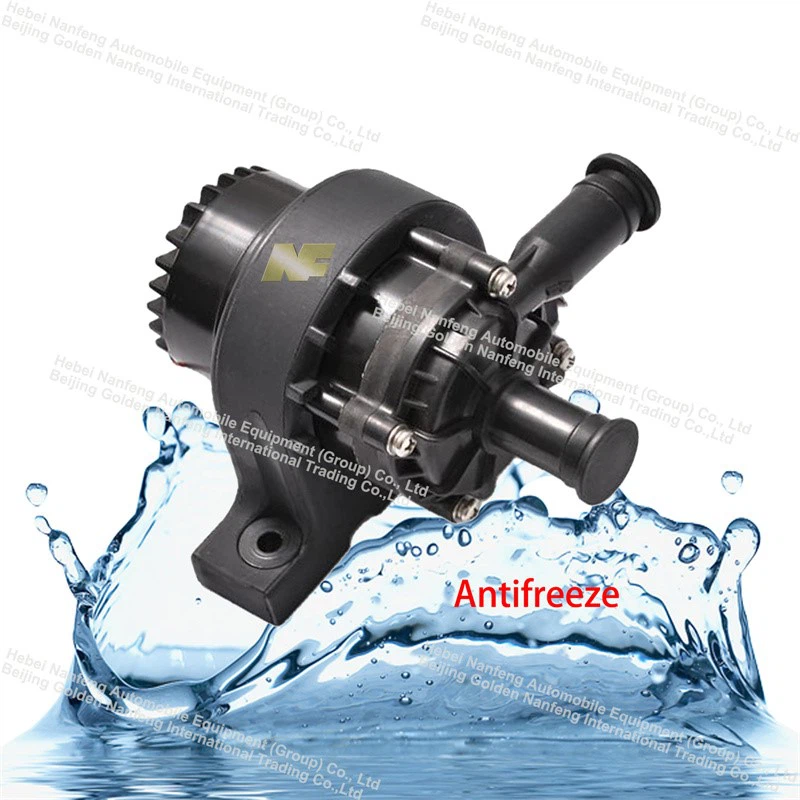
1. Precision Thermal Management: The power batteries, drive motors, and electronic control systems of new energy vehicles are extremely sensitive to temperature fluctuations. Electronic water pumps can precisely regulate coolant flow based on the real-time thermal requirements of each specific component. For instance, during fast charging-when the battery generates significant heat-the pump can operate at full speed to facilitate forced heat dissipation; conversely, during routine driving, it operates at lower speeds to deliver coolant strictly on demand, avoiding the energy inefficiency of a "one-size-fits-all" continuous circulation loop.
2. Significant Energy Efficiency Improvement: By operating on an "on-demand" basis, electronic water pumps eliminate the energy waste associated with mechanical pumps, which typically run at full speed continuously. Under most operating conditions, the electronic pump runs at low speeds with minimal power consumption, directly conserving electrical energy and thereby contributing to an extended driving range.
3. Key Application Scenarios:
(1) Battery Pack Thermal Management: In liquid-cooled battery packs, the pump circulates coolant to dissipate the heat generated during charging and discharging, thereby preventing thermal runaway. In winter conditions, it assists with heating to rapidly bring the battery up to its optimal operating temperature.
(2) Motor and Electronic Control Cooling: It provides forced liquid cooling for high-power-density drive motors and controllers, ensuring that these components do not overheat during high-power output operations.
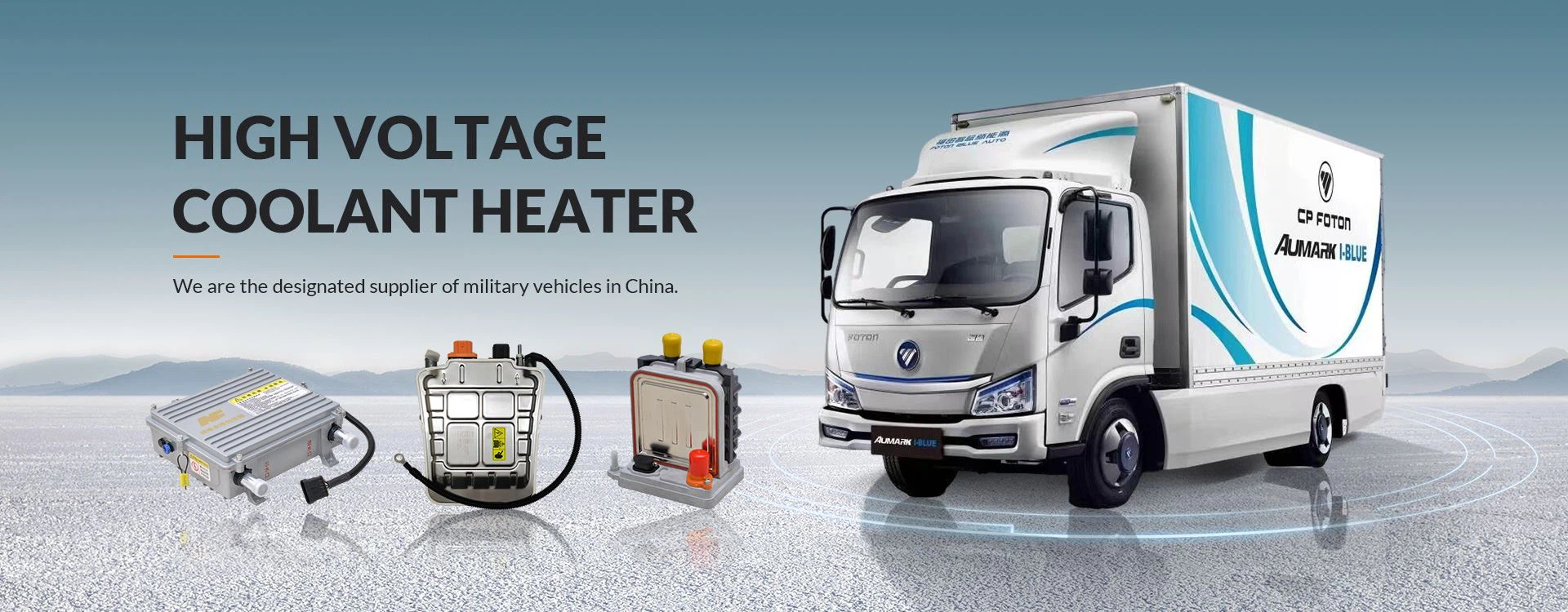
(3) Passenger Cabin Climate Control: In systems utilizing liquid-cooled condensers or PTC (Positive Temperature Coefficient) heaters, the pump is responsible for circulating the thermal medium (either hot or cold) to regulate the cabin temperature.
It can be said that without the precise control provided by the electronic water pump, high-performance batteries and motors would be akin to a heart deprived of its circulatory system-incapable of functioning stably. It is precisely this seemingly simple component that underpins the exceptional performance of new energy vehicles in terms of efficiency, safety, and comfort.


