


Your vehicle needs heat protection
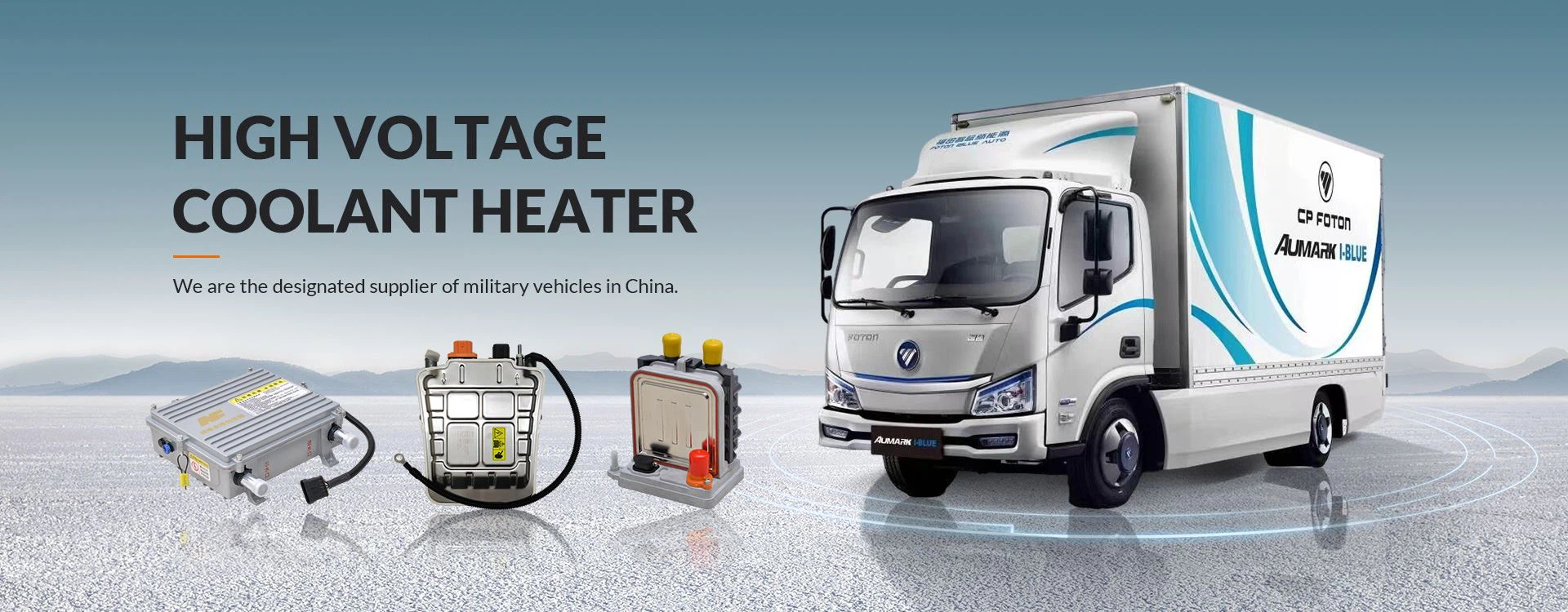
With increasingly frequent high temperatures in summer, new energy vehicles also face a severe test of heat protection. Unlike gasoline vehicles that rely on engine cooling, the batteries, motors, and electronic control systems of electric vehicles are more sensitive to temperature. Proper cooling is crucial for ensuring safety and range.
In high-temperature environments, the chemical reactions inside the power battery intensify. If heat dissipation is inadequate, the battery temperature will exceed the optimal operating range (typically 15–35°C), accelerating aging, shortening lifespan, and even triggering thermal runaway. Therefore, most new energy vehicles are equipped with liquid cooling circulation systems, using coolant flowing through heat sinks between the battery packs to remove excess heat. During daily use, the coolant level should be checked to ensure it is normal, and the cooling pipes are leak-free.

Furthermore, the charging process generates significant heat. After being exposed to direct sunlight, the vehicle battery temperature is often high; immediate fast charging at this time can easily exacerbate heat accumulation. It is recommended to choose a shady location or an underground charging station, or utilize the scheduled charging function to pre-cool the battery through the vehicle's thermal management system before charging. Some models also support a "battery pre-cooling" mode, which actively activates the cooling circulation before charging.
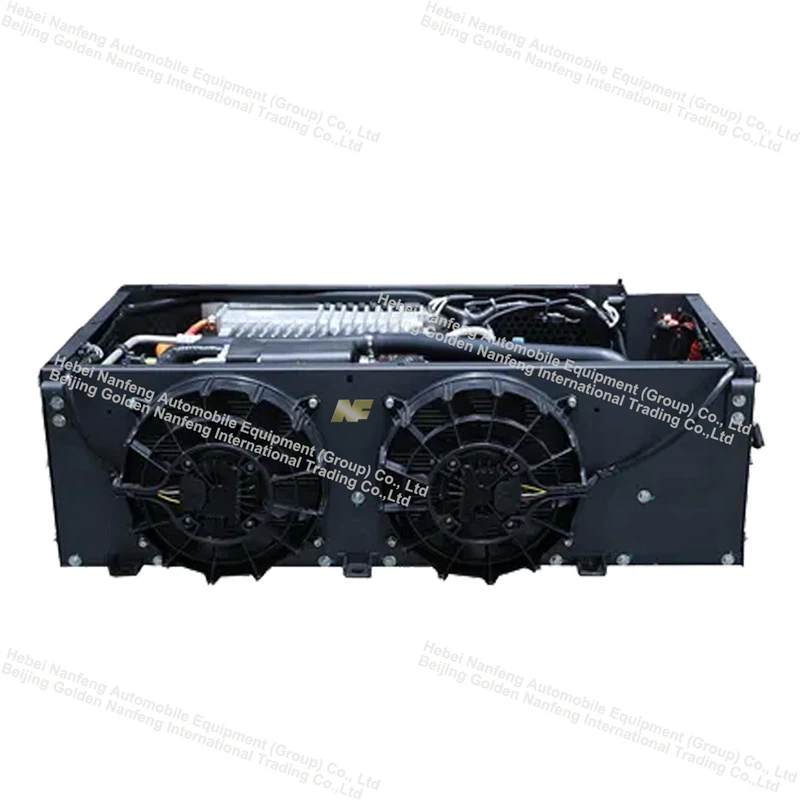
When a vehicle is in motion, the air conditioning system not only cools passengers but also indirectly dissipates heat from the battery and motor controller. Prolonged use in recirculation mode reduces the cooling efficiency of the air conditioning evaporator for the engine compartment. It is recommended to switch to external air circulation as needed and regularly clean the air conditioning filter and radiator grille to prevent blockages that could reduce heat exchange capacity.
Finally, do not ignore the battery temperature warning light on the dashboard. If a high-temperature warning appears, stop the vehicle immediately and turn off high-load electrical equipment to allow the thermal management system to focus on cooling. Only by proactively "cooling down" new energy vehicles can the stable operation of the three-electric system (battery, motor, and electronic control system) be ensured, extending the vehicle's service life.


