
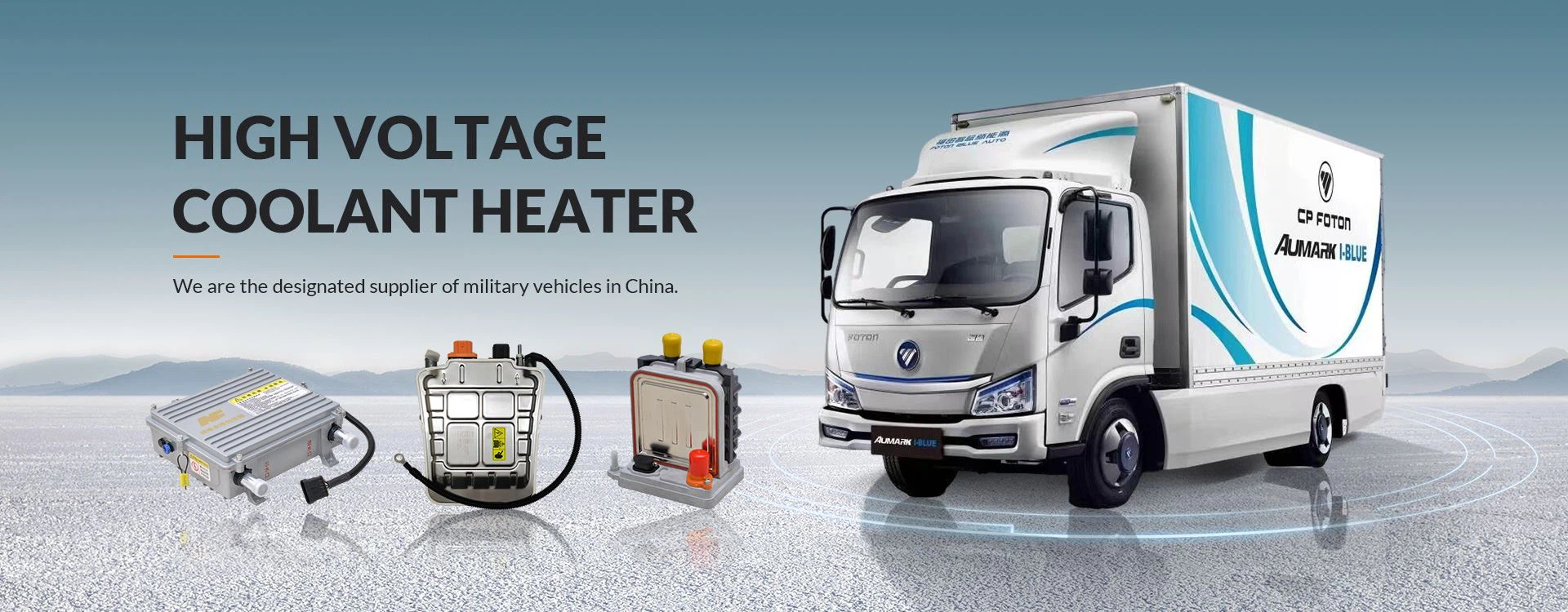


Technical Requirements of Thermal Management Systems
for Pure Electric Vehicles
The cold source, heat source, and other energy sources of the air conditioning system in pure electric vehicles all come from the battery system. For pure electric vehicles, the air conditioning not only directly affects driving comfort but also their driving range.

The air conditioning system of a pure electric vehicle must not only provide cooling/heating functions but also account for system energy consumption, thereby increasing its complexity. Due to the change in power type, the electric scroll compressor used in electric vehicle air conditioning has significantly improved value and volumetric efficiency compared to traditional compressors. Currently, electric vehicles primarily use PTC heaters for heating, which significantly reduces driving range in winter. In the future, it is expected that heat pump air conditioning systems with higher heating efficiency will be gradually adopted.
The thermal management system of new energy vehicles needs to meet the requirements of cabin air conditioning (cooling, heating, defogging, etc.), battery pack temperature control, and motor and controller heat dissipation. Based on the requirements of comprehensive vehicle energy management, compactness, and lightweight design, automotive thermal management systems are gradually developing towards integrated vehicle thermal management.
Broadly speaking, automotive thermal management systems mainly include engine cooling systems, air conditioning systems, and battery thermal management systems. Functionally, it is divided into two main components: the engine compartment thermal system and the cabin thermal system, with three main cycles: engine cycle, air conditioning cycle, and intercooler cycle. The engine cooling cycle is relatively simple, including the engine, radiator, thermostat, and water pump. The air conditioning cycle mainly consists of the condenser, compressor, and expansion valve. The function of the turbocharged intercooler system is to increase the engine's intake air volume to improve its power characteristics. The problem is that the temperature of the air pressurized by the turbocharger is very high; directly entering the engine would accelerate the aging of the engine lubricating oil, requiring the intercooler to lower the intake air temperature.
1) Air Conditioning System: Traditional gasoline vehicles use an engine-driven compressor for air conditioning, while new energy vehicles can only use electric compressors. In gasoline vehicles, the air conditioning and engine cooling processes are relatively independent, while in new energy vehicles, the three-electric cooling systems are closely connected, generally sharing a cold source with the battery cooling system. In gasoline vehicles, the engine serves as the heat source, using a water pump to drive water circulation for heating. Currently, most new energy vehicles use electric heating, but the future trend is towards more energy-efficient heat pump air conditioning systems.
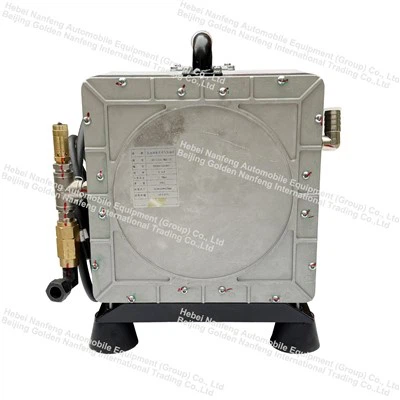
(2) Battery Thermal Management: The optimal operating temperature range for power batteries is 20–30°C. At low temperatures, battery capacity is lower, and charge/discharge performance is poor; at high temperatures, battery cycle life is shortened, and excessively high temperatures can even lead to safety issues such as explosions. Multiple battery cells are connected in series and parallel to form a battery pack, and the heat generated during charging and discharging affects each other. Maintaining the power battery pack within a reasonable temperature range requires a complex battery thermal management system.
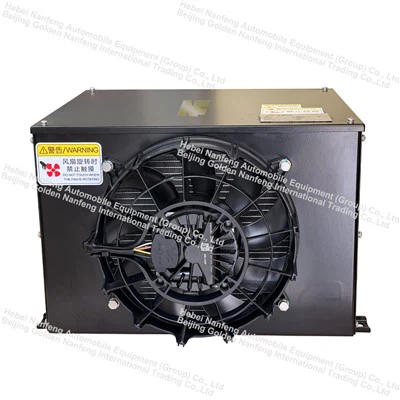
(3) Motor and Electronic Control System Thermal Management: The motors and electronic control components of new energy vehicles have high heat dissipation requirements during operation and usually require active cooling. These components often only require cooling devices.


