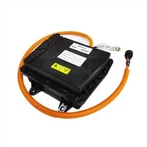
Latest Products

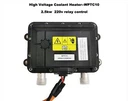
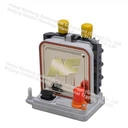
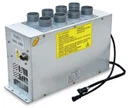

Contact Us
Hebei Nanfeng Automobile Equipment (Group) Co.,Ltd
Phone: +86 18811334770
Tel: +86 0317 8620396
Tel: +86 010 58673556
Candy Jiao
E-mail: nh.jiao@auto-parkingheater.com
Email: nh.li@auto-parkingheater.com
Add: Room 505, Building B, Free Town Center, No.58, East Third Ring South Road, Chaoyang District, Beijing, 100022, P.R.China


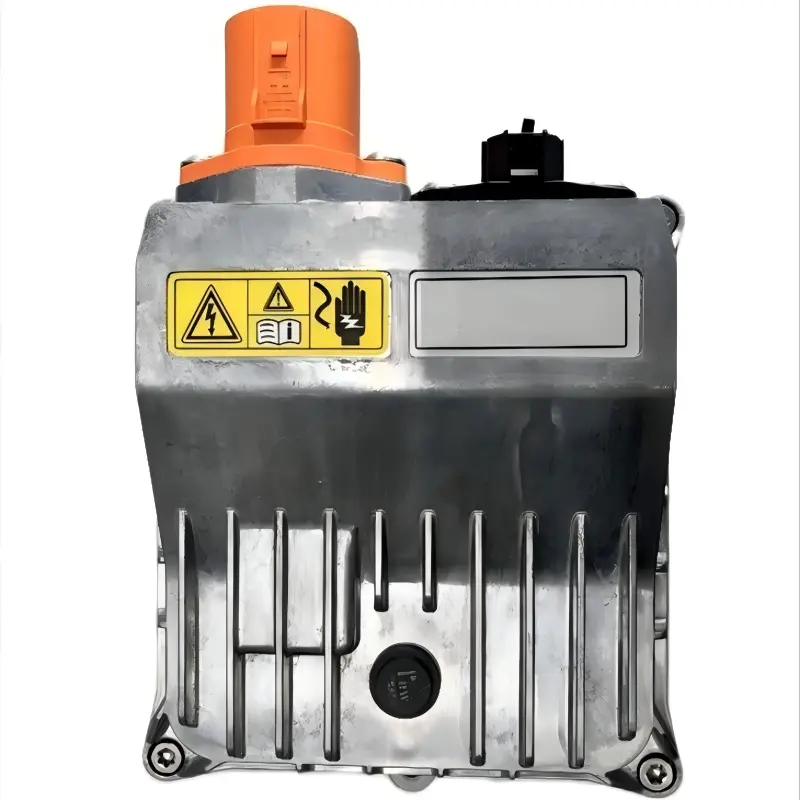
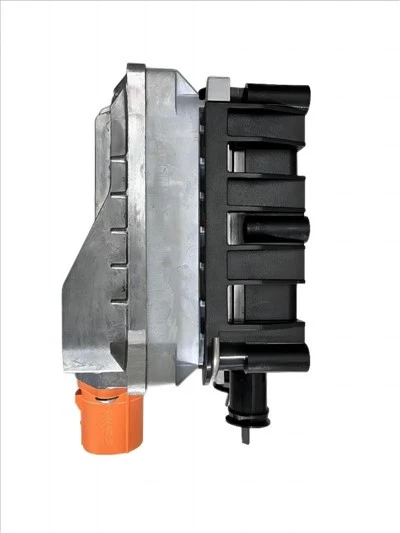

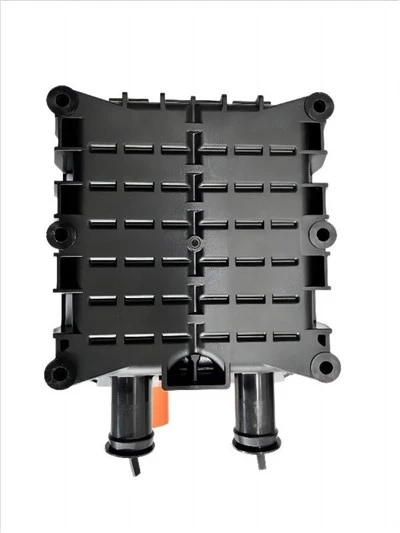
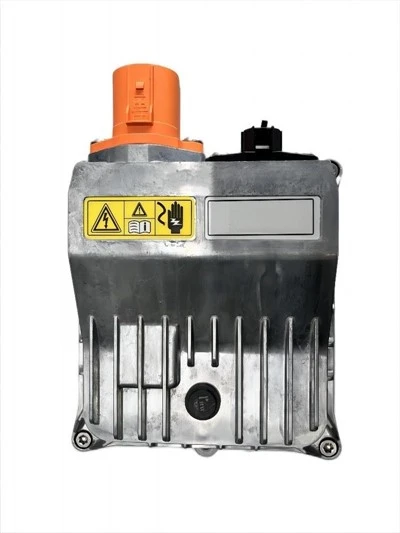
Electric Bus Battery Coolant Heater
The electric high-voltage heater (HVH) is the ideal heating system for plug-in hybrids (PHEV) and battery electric vehicles (BEV). It converts DC electric power into heat with practically no losses.
Description
If you're looking for the electric bus battery coolant heater, welcome to wholesale the product from our factory. As one of the leading manufacturers and suppliers in China, we will offer you the best service and fast delivery. Now, check the quotation with our seller.
Electric Bus Battery Coolant Heater
Products highlight
PTC Coolant Heater Highlight
The heating housing is integrally molded using die casting, ensuring high reliability and cleanliness.
The heating housing utilizes a low-ion-leaching material and unique surface treatment technology, resulting in a low ion release rate.
Independently developed and manufactured, ensuring product stability and controllable delivery time.
Regular shape and compact size facilitate system layout.
Products Description

PTC Heater
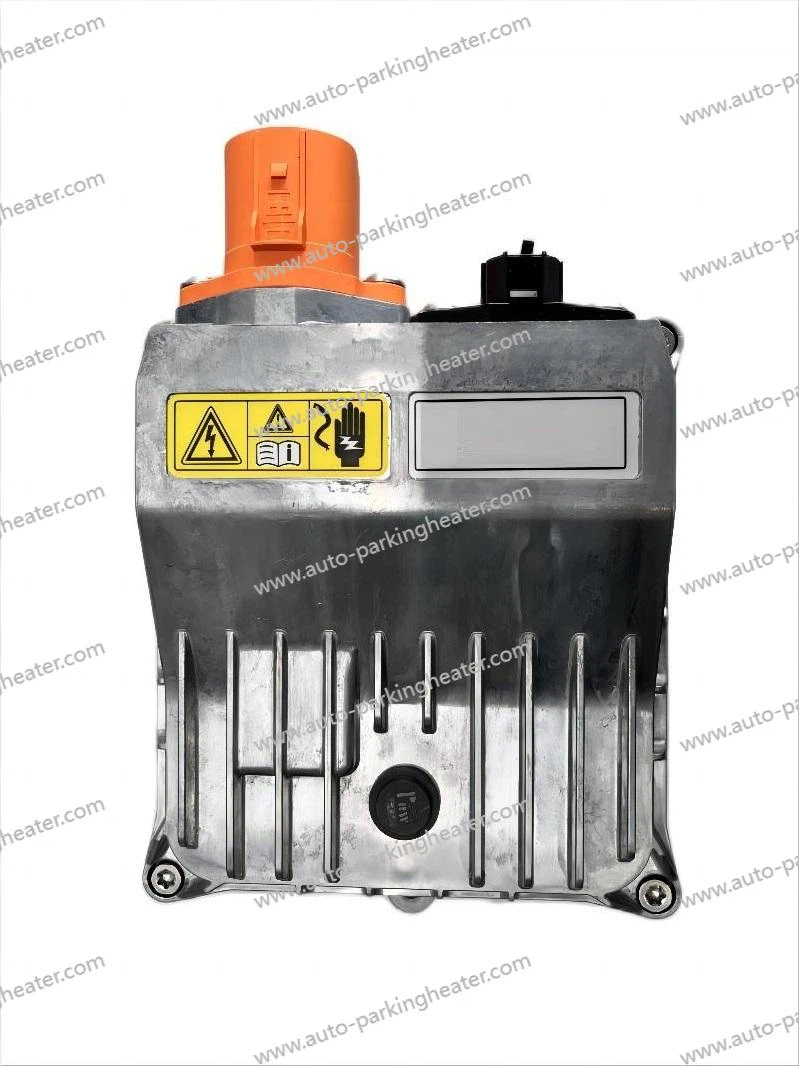
High Voltage Coolant Heater
|
Low voltage range
|
9-36V
|
Working temperature
|
-40 ~+85℃ |
|
Rated power
|
3KW |
Storage temperature
|
-40 ~+105℃ |
|
High voltage range
|
70-110V |
Coolant temperature
|
40 ~+90℃ |
| Insulation resistance |
voltage 500VDC,test for 60s,insulation resistance 100MQ
|
Protection level
|
IP67 |
|
Insulation withstand voltage:
|
Voltage 1220VAC,50Hz, no damage to the insulation layer after testing, for
60s,leakage current 10mA
|
Product weight
|
2.1KG±5% |
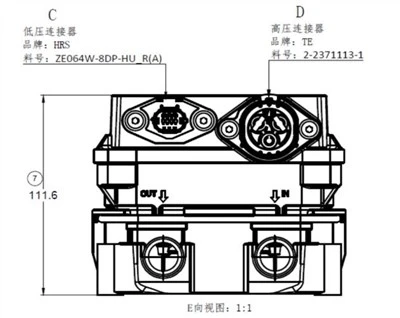
Products External dimensions


Why use PTC heating?

PTC Features
Constant temperature heating, safe to use
High shock resistance, long service life
Non-polar, usable with both AC and DC
Maximum operating current up to tens of amperes
Compact size
High thermal efficiency
PTC Usage
Start-up process: Can withstand surge current impact.
Normal operating range: Achieves optimal power and efficiency.
PTC safe operating range: Automatically temperature controlled.
Products Application Introduction
I. Heating the Passenger Cabin of an Electric Vehicle (Electric Vehicle Air Conditioning)
The vehicle sends a heating request. The high-voltage battery powers the water heater, causing the PTC core to heat the coolant flowing through its internal channels, raising the coolant temperature to 60-85°C.
The electric water pump starts, and hot water flows through the water valve, directed to the HVAC heating core.
The blower blows indoor/outdoor air across the surface of the heating core, heating the air. The hot air is then blown into the cabin through the air ducts, providing heating, defrosting, and defogging.
The cooled coolant flows back to the water heater, completing the circulation.
The vehicle controller dynamically adjusts the water heater's output power and water pump speed based on the set temperature and air outlet temperature; once the target temperature is reached, the power is reduced or the system shuts down.
In hybrid models, when driving purely on electric power with the engine off, the cabin heating relies entirely on the water heater. When the engine starts, the system can switch to using waste heat from the engine, and the water heater's power is reduced or it is turned off.

II. Heating the Power Battery (Battery Preheating)
When the BMS detects that the battery temperature is below a threshold, the vehicle's preheating logic is activated, and the water heater operates to heat the coolant.
The water circuit reversing valve switches the flow path, preventing the high-temperature coolant from flowing directly to the cabin heater core, or distributing some to the cabin and some to the battery circuitry.
Hot water flows into the battery pack's internal water-cooling plate (liquid cooling plate), and heat is conducted to the cells through the water-cooling plate, causing the entire pack temperature to rise evenly.
After the coolant cools down by releasing heat, it returns to the water heater for reheating and circulation.
The BMS monitors the temperature of each cell in real time. Once the target temperature is reached, the water heater reduces its power or shuts down; the temperature is maintained by the battery's own heat generation during charging and discharging.
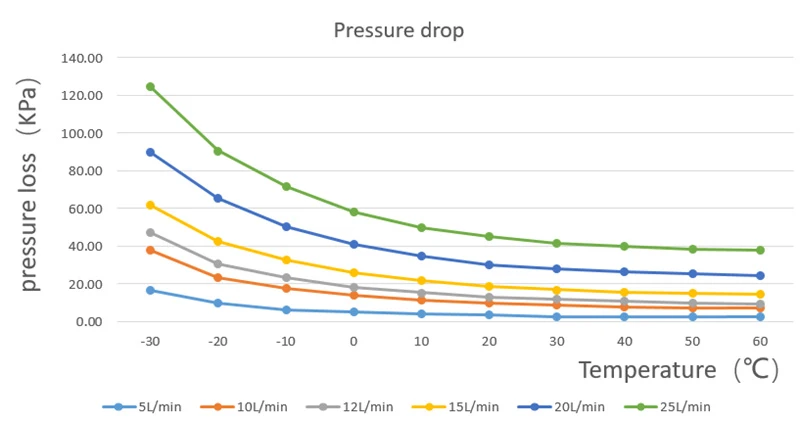
Products Curve graph
Our Advantage
full service!
Selection recommendation
Technical Support
After-sales protection
High Quality!
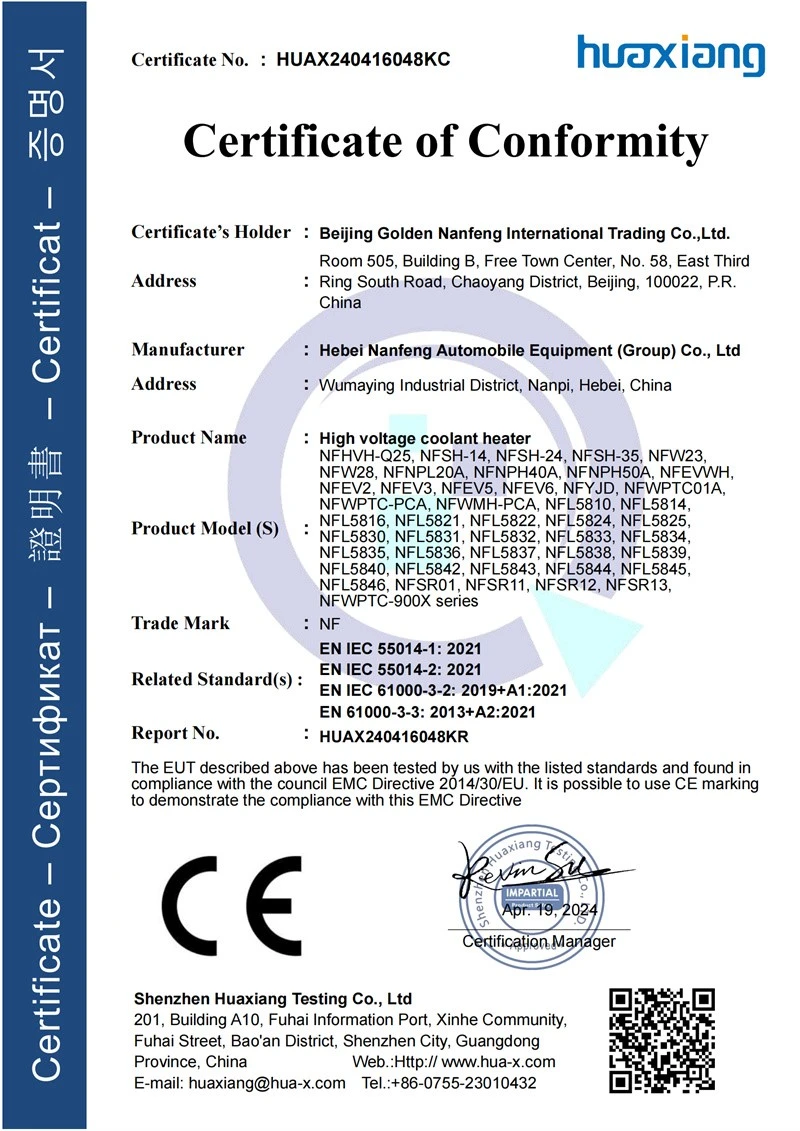
CE certification
ISO certification
Emark certification
Quality team!
One-stop service
Professional technicians and engineers
Attentive sales team
mechanical equipment!
high tech machine
Strict quality control testing device
Company Profile


Application and Shipping


FAQ
Q: After installation and power-on, the heater does not work. What are the first three things to check?
A:
① Is the 12V low-voltage power supply normal? Are the connectors locked?
② Has the VCU/BMS issued an enable and power request?
③ Is the vehicle's high-voltage system closed? Is there flow in the cooling system? The heater only works upon receiving a command; it doesn't automatically heat up upon startup.
Q: Under what conditions will the heater automatically reduce power/shut down?
A:
① Inlet water temperature too high;
② Heater body overheating;
③ Insufficient coolant flow;
④ High-voltage exceeding the operating range;
⑤ Insulation fault;
⑥ CAN communication loss; BMS thermal management limit command. These are normal protection logic and do not necessarily indicate component failure.
Q: What are the requirements for coolant? Can different types of antifreeze be mixed?
A:
The vehicle-specified ethylene glycol coolant must be used. Mixing different formulations or brands of antifreeze is prohibited. Mixing will produce sediment, clogging the heater's flow channels, reducing flow, triggering overheat protection, and corroding the internal aluminum water channels, causing slow leaks.
Hot Tags: electric bus battery coolant heater, China, factory, suppliers, manufacturers, seller, wholesale, quotation, 2 5kw high voltage battery heater, 24kw electric bus heater, 24v high voltage PTC heaters, 5kw high ptc heater, high voltage electric liquid heater, PTC Liquid Heater
You Might Also Like