
A brief analysis of new energy vehicle battery thermal management
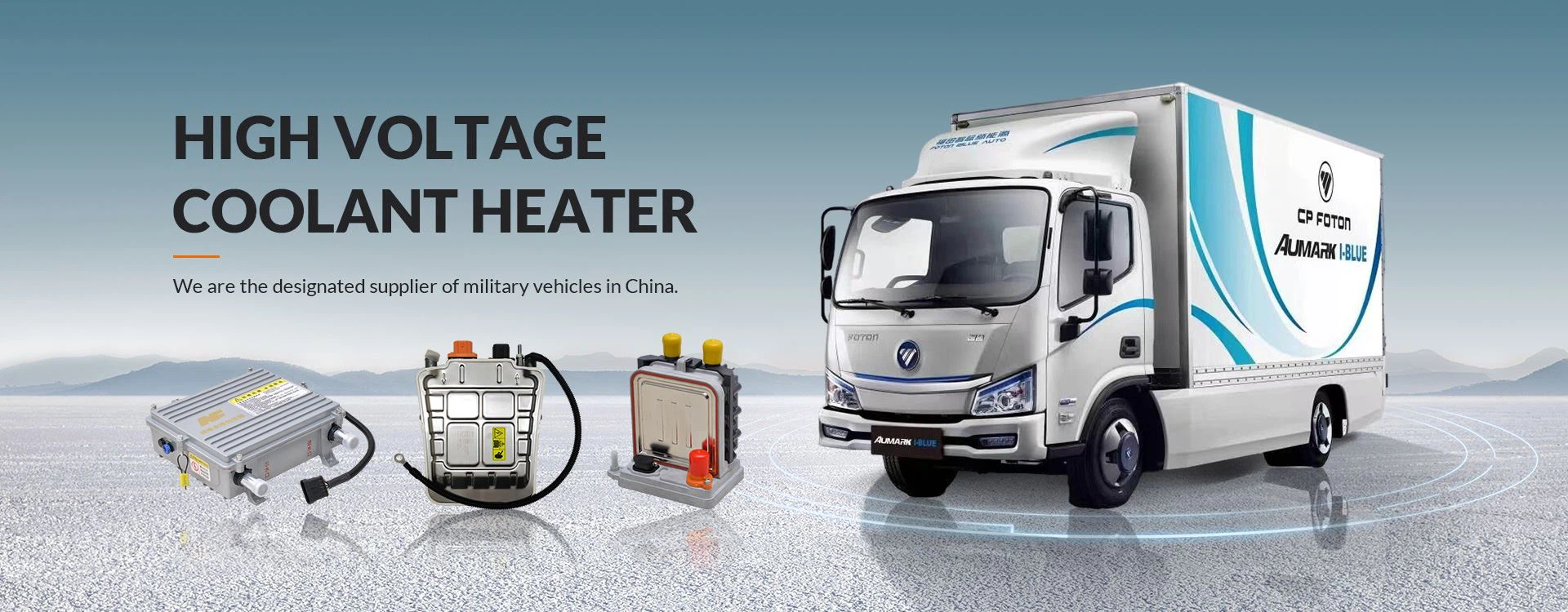
New energy vehicle battery thermal management is a technical system that ensures that the battery maintains an appropriate temperature under various working conditions. A battery's operating temperature is critical to its performance and lifespan. The following is a brief analysis of new energy vehicle battery thermal management
Effect
Optimizing battery performance: Batteries operating within a suitable temperature range can improve their performance, including improving battery charging and discharging efficiency and power output.
Extend battery life: Proper temperature management can slow down the aging rate of the battery, extend the service life of the battery, and reduce maintenance costs.
Improved safety: An effective thermal management system can prevent the battery from getting too hot or too cold, thereby reducing the risk of battery failure and improving vehicle safety.
Method
Cooling system: Adopts a coolant circulation system to dissipate heat from the battery through circulating coolant to keep the battery temperature stable.
Heating system: In low-temperature environments, electric heaters or other heating devices are used to provide heat to prevent overcooling of the battery from affecting performance.
Temperature monitoring and control: Install a temperature sensor to monitor the battery temperature, and adjust the working status of the cooling or heating system in real time through the control system to keep the battery temperature within an appropriate range.
Implementation technology
Liquid cooling: By installing coolant pipes around the battery module, the coolant is used to absorb heat and dissipate battery heat.
Air cooling: Air is blown across the battery surface through fans and heat sinks to accelerate heat dissipation and achieve battery cooling.
Heat pump technology: Using the heat pump principle, heat is absorbed from the low-temperature environment and released into the battery to achieve battery heating.
Phase change materials: Use phase change materials as thermal energy storage media to absorb excess heat or release heat to balance battery temperature.
Application
Pure electric vehicles: The battery thermal management system in electric vehicles is particularly important, which can effectively improve the vehicle's cruising range and performance.
Hybrid vehicles: For hybrid vehicles, the battery thermal management system can improve the energy recovery efficiency of the battery and optimize the vehicle's power distribution.
Electric buses: In large vehicles such as electric buses, battery thermal management systems can improve the vehicle's operational stability and safety.
In summary, new energy vehicle battery thermal management is a key technology.


