
Battery heating method
The working goal of the electric vehicle thermal management system is to ensure that the vehicle's battery and electronic control system are in a suitable operating temperature range. Overcooling or overheating will affect the normal operation of the vehicle and cause safety hazards. Therefore, the thermal management system not only needs to operate at high temperatures. To cool down the vehicle system, it is also necessary to heat the battery to an appropriate temperature when the vehicle is in low temperature conditions. At present, the mainstream heating methods include PTC thermistor heating, electric heating film heating and liquid medium heating.


PTC thermistor heating
PTC thermistor heating needs to arrange PTC thermistor heating unit and insulating coating around the battery pack. When the vehicle battery pack needs to be heated, the system energizes the PTC thermistor to generate heat, and then blows air through the PTC through a fan. The thermistor heating fins heat it, and finally guide the hot air into the battery pack to circulate inside, thereby heating the battery. The PTC thermistor thermal management system has a simple structure, low design difficulty and low cost, and is often used in early battery thermal management systems. However, due to the high energy consumption, low heating efficiency, and poor heating uniformity of the system, it is difficult for the heating method to meet the current battery heating needs under various working conditions, so the utilization rate of this heating method is gradually declining.


Electric heating film heating
Electric heating film heating is to attach an electric heating film around the single battery of the vehicle battery pack. The electric heating film of each single battery is connected in series, so that when it is energized, the battery is heated with the same power, improving uniformity of heating. The electric heating film generally uses materials with high melting point, good insulation performance and good thermal conductivity. The thickness of the electric heating film is generally not more than 0.3 mm, which will not affect the natural heat dissipation of the battery. This heating method has high heating efficiency, good uniformity, and less difficulty in system design. It has been widely used in the thermal management system of electric vehicle manufacturers and is currently the most common battery heating method.


Liquid medium heating
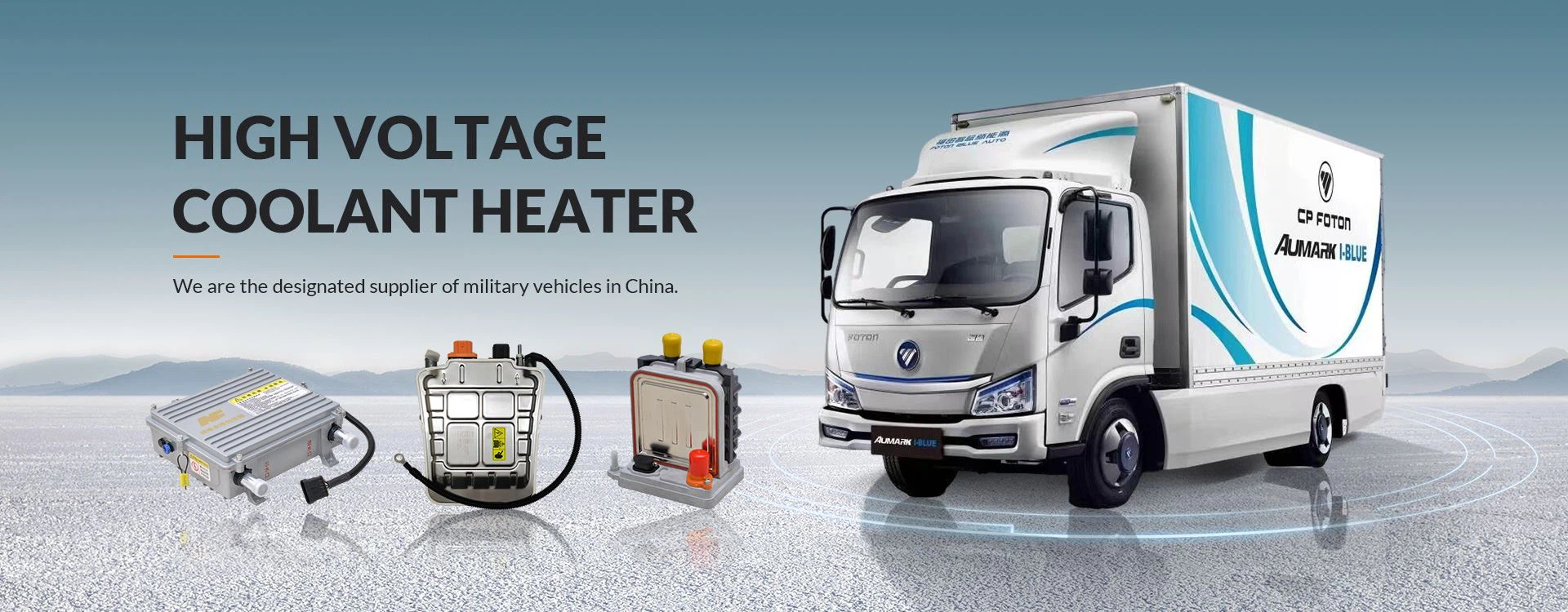
Liquid heating is generally used in the liquid medium thermal management system of the vehicle. When the vehicle battery pack needs to be heated, the liquid medium in the system is heated by the circulation heater, and then the heated liquid is delivered to the cooling pipeline of the battery pack. Using this heating method to heat the battery has high heating efficiency and heating uniformity. Through a reasonable circuit design, the heat of each part of the vehicle system can be effectively exchanged to achieve the purpose of energy saving.
This heating method is the one with the lowest energy consumption among the three battery heating methods. Since this heating method needs to cooperate with the vehicle's liquid medium thermal management system, the design is difficult and there is a certain risk of liquid leakage. Currently, the utilization rate of this heating solution is lower than that of the electric heating film heating method. However, it has great advantages in energy consumption and heating performance, and will become the development trend of electric vehicle battery thermal management systems in the future.


