
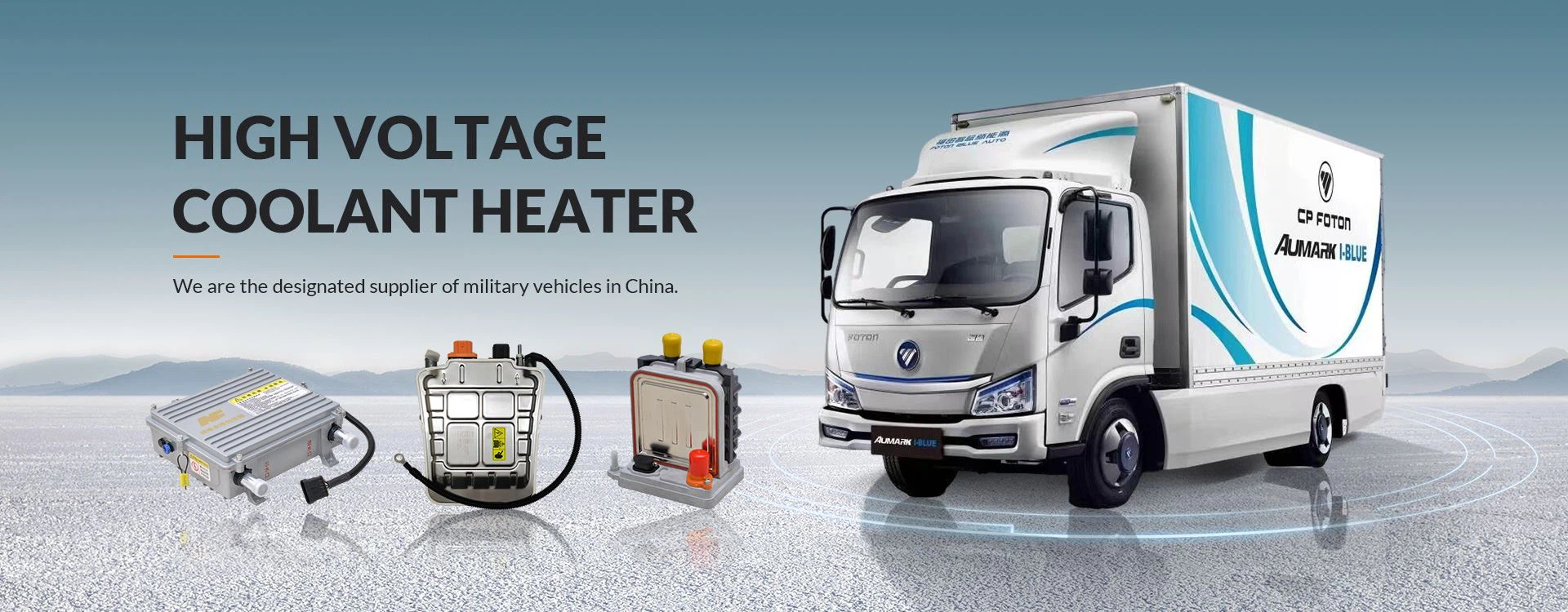
Battery Thermal Management
In the new applications of vehicle electrification, it is important to cool and heat electrical components to maintain them at an optimum operating temperature, as this safeguards the service life and efficiency of the electrical components. Therefore, a suitable thermal management system is essential. In other words, it is necessary to design a suitable thermal management system specifically for the electrified components used.
If the battery operating temperature is too high, this may lead to a loss of battery capacity and in extreme cases to thermal runaway. If the battery is operated at too low a temperature, this may lead to a reduction in efficiency, an increase in resistance, a reduction in battery capacity and the formation of lithium dendrites (lithium plating). Lithium plating can lead to accelerated cell ageing and failure.
The goal of thermal management is to ensure that the system is at the optimum operating and safety temperature. To complicate matters further, the optimum temperature of the battery system may vary with the mode of operation. The optimum temperature for fast charging may be different from the optimum temperature for driving or parking (stopping).
The main types of battery thermal management systems in use today are air-cooled, indirect liquid-cooled, direct liquid-cooled (also known as immersion cooling) and phase change materials.
Liquid cooling can be divided into two types: indirect and direct. Compared to air, cooling fluids have a greater thermal capacity and higher thermal conductivity. Indirect liquid cooling is currently one of the most common solutions in battery thermal management due to the balanced temperature control. The most commonly used coolant is a mixture of water and ethylene glycol. The principle of indirect cooling is to allow the coolant to flow through channels on the bottom or side of the cell/cell module to transfer heat away from the system.


