Composition and architecture of high-voltage system
of new energy vehicles
The high-voltage system of new energy vehicles is a key part for storing, managing and distributing electric energy. In conventional models, the composition and function of the high-voltage system mainly include the following nodes:
1. Power battery: It is the energy storage unit of the vehicle and provides power source for the whole vehicle.
2. Drive motor: Converts electrical energy into mechanical energy to drive the wheels, thereby realizing vehicle driving.
3. Motor controller: Controls the operation of the motor, including starting, stopping and speed control.
4. Inverter: Controls the speed and torque of the motor, converts DC power into AC power for the power supply machine, and is usually integrated in the MCU.
5. High-voltage distribution box: Manages the distribution of high-voltage power and connects batteries and other high-voltage components.
6. Electric compressor: Used in air-conditioning systems in new energy vehicles, replacing traditional engine-driven compressors.
7. DC/DC converter: Converts high-voltage DC power into low-voltage DC power to power the 12V electrical system.
8. On-board charger: Responsible for converting AC power into DC power to charge the power battery.
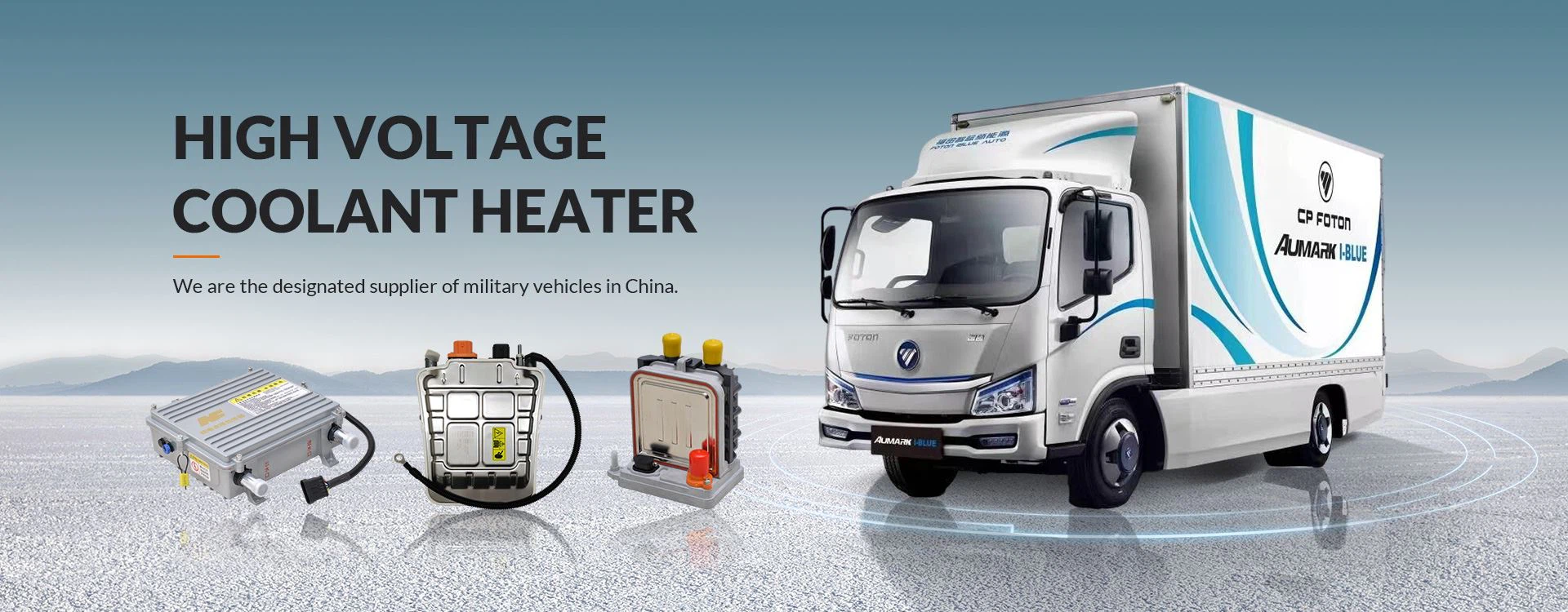
9. PTC heater: used for in-car heating, battery temperature regulation, etc.
10. High-voltage wiring harness: connects various components in the high-voltage system, including dedicated insulation and shielding materials.
11. Battery management system: monitors battery status, including voltage, current, temperature and state of charge to optimize battery performance and life.
12. High-voltage interlock circuit: a safety mechanism used to monitor the integrity of the high-voltage circuit and automatically disconnect the high-voltage circuit when an abnormality is detected.
13. Vehicle controller: coordinates the work of the high-voltage system and other on-board systems to manage the overall operation of the vehicle.
14. Generator: in the hybrid system, it realizes the conversion of thermal energy to electrical energy through connection with the engine to complete the autonomous power generation function.
15. Generator controller: manages the work of the generator and converts the AC power generated by the generator into DC power to charge the power battery.
The above components work together to ensure that new energy vehicles can use electrical energy efficiently and safely. Its architecture is shown as follows: