
For Pure Electric Vehicles, Where Does The Heat Source For The Heating System Come From?
For pure electric vehicles, the main challenge for its heating system is to find a reliable and efficient heat source. Unlike traditional gasoline vehicles, pure electric vehicles do not have a combustion engine to generate heat, which means that the heating system must rely on other means to provide the necessary warmth. In this article, we will explore the various sources of heat that can be used in pure electric vehicles and their advantages and disadvantages.
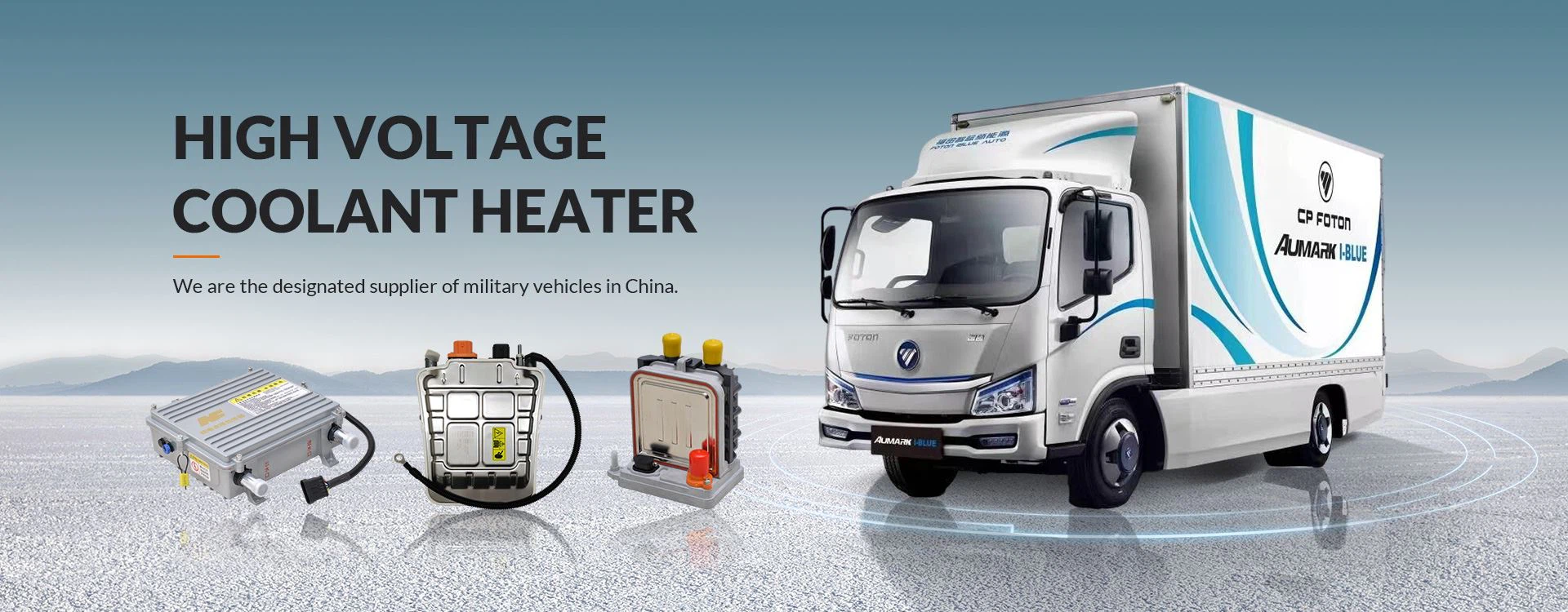
One of the most common sources of heat for electric vehicles is the electric heater. Electric heaters work by converting electric energy into heat energy, allowing for a quick and efficient heating process. This type of heater is widely used in modern electric vehicles, as it is easy to install and maintain. However, electric heaters can drain the batteries of the vehicle quickly, reducing the driving range of the vehicle. Additionally, they may not be suitable for use in extremely cold weather, as they may not be able to generate enough heat to keep the vehicle warm.


Another heat source that is commonly used in pure electric vehicles is the heat pump. A heat pump works by transferring heat from one location to another, using a refrigerant to absorb and release heat as it moves through the system. This is a highly efficient method of heating, as it does not require a significant amount of energy to generate heat. However, heat pumps can be expensive to install and maintain, and they may not be suitable in extremely cold weather or low temperatures.
In addition to electric heaters and heat pumps, some pure electric vehicles may use the waste heat from the battery or motor to generate warmth. This is done by capturing and distributing the heat generated during the charging process or the vehicle's operation. While this is an efficient method of heating, it may not always be a reliable source of heat, as the amount of waste heat generated may vary depending on the driving conditions.
Finally, some pure electric vehicles may rely on auxiliary heating systems, such as propane or diesel heaters. These systems work by using fuel to generate heat, which is then distributed throughout the vehicle using fans or other methods. While these systems can be effective in generating heat, they are not the most environmentally friendly solution, and they may require additional maintenance and repair costs.
In conclusion, there are several sources of heat that can be used in pure electric vehicles, each with its own advantages and disadvantages. Electric heaters and heat pumps are popular options due to their efficiency and ease of use, while waste heat and auxiliary heating systems can provide a reliable source of heat in different situations. Ultimately, the choice of heat source will depend on the specific needs and priorities of the user, as well as the environmental and economic considerations of the vehicle manufacturer.


