How to analyze the various subsystems of thermal management for new energy vehicles?
The thermal management of new energy vehicles mainly involves regulating the temperature of the battery, motor, electronic control, and passenger compartment to ensure that they operate at the most suitable temperature. Due to the lack of engine heat sources, new energy vehicles generally require additional heating devices to supplement system heat. Commonly used heating devices include PTC heaters, diesel heaters, and heat pump air conditioning.
Under the trend of electrification, the thermal management system of the entire vehicle has undergone significant changes. New energy vehicles without heat engines require additional heat generation devices to maintain the efficient operation of the entire system. The high temperature sensitivity of batteries makes the complexity and refinement requirements for thermal management of new energy vehicles constantly increasing.
New energy vehicle thermal management architecture New energy vehicle thermal management system can be divided into battery system thermal management, air conditioning system thermal management and motor electronic control system thermal management; battery system thermal management and air conditioning system thermal management include cooling and heating Two major functions, the thermal management of the motor electronic control system is mainly cooling.
1
Thermal Management of battery pack systems
2
Thermal management of air conditioning systems
3
Thermal management of electric motor control system
New energy vehicle battery system thermal management
Air cooling:
- Using low-temperature air as the medium, using heat convection to reduce the battery temperature, divided into natural cooling and forced air cooling
- Simple structure, low cost, cross effect
- Mainly used in low-end models
Liquid cooling:
- Using coolant as the medium, coupled with the refrigeration cycle, to take away excess heat from the battery
- Good effect, uniform heat, high cost
- It is mainly used for mid-to-high-end models above A-level, and the current mainstream technology route
Refrigerant direct cooling
- Integrated thermal management based on liquid cooling combines the heat dissipation of the battery with the air conditioning system to take away the heat from the battery: commonly used refrigerants are R134a and carbon dioxide.
- System integration software requires high control precision
- High technical barriers, currently only used in a small number of models.
Two methods of battery heating
External Heating
-
The Battery Is Heated Externally Through PTC Material Or Heating Film, Etc.
-
Complicated Structure, Uneven Heating, Low Heating Efficiency And High Energy Consumption
Cell self-heating
-
Heat generation through internal impedance of the battery or partial short circuit of the stroke
-
Higher heating efficiency, more uniform heating, less energy consumption

At present, most mainstream brands of battery insulation systems use active liquid-cooled battery heating to achieve a suitable working temperature by heating the coolant arranged in the power battery system.
Thermal Management of Electric Control System for New Energy Vehicle Motors
The motor and electronic control components of electric vehicles require high heat dissipation during operation, and usually require active cooling to ensure that the vehicle is in a safe operating temperature range. The electric control cooling system of the motor is similar to the engine cooling system, and its main components include electric water pump, radiator, cooling fan, expansion kettle, and pipeline.
Thermal management of air conditioning systems for new energy vehicles
The refrigeration stage of new energy vehicles is not significantly different from traditional vehicles. In the heating stage, due to the lack of an engine heat source, additional heating mechanisms are often needed to generate heat to supplement the system heat. PTC heating elements are often the first choice for heaters due to their significant thermal effect, high pressure resistance, and non combustion safety characteristics. A few models are equipped with more advanced heat pump technology.
PTC electric heater
The PTC heating solution with low cost, simple structure and stable operation has become a heating solution commonly used in the new energy vehicle industry. According to their different working methods, PTC heaters can be divided into air-heated and water-heated.


- The PTC air heater directly heats the air flowing through the surface of the heater, and then blows it into the car through the blower to achieve the effect of warm air.
- The cost is low, the heating is fast, and the temperature is high, but the warm air is very dry and the comfort is low
- The high-voltage PTC directly enters the passenger compartment, which poses certain safety risks


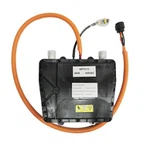
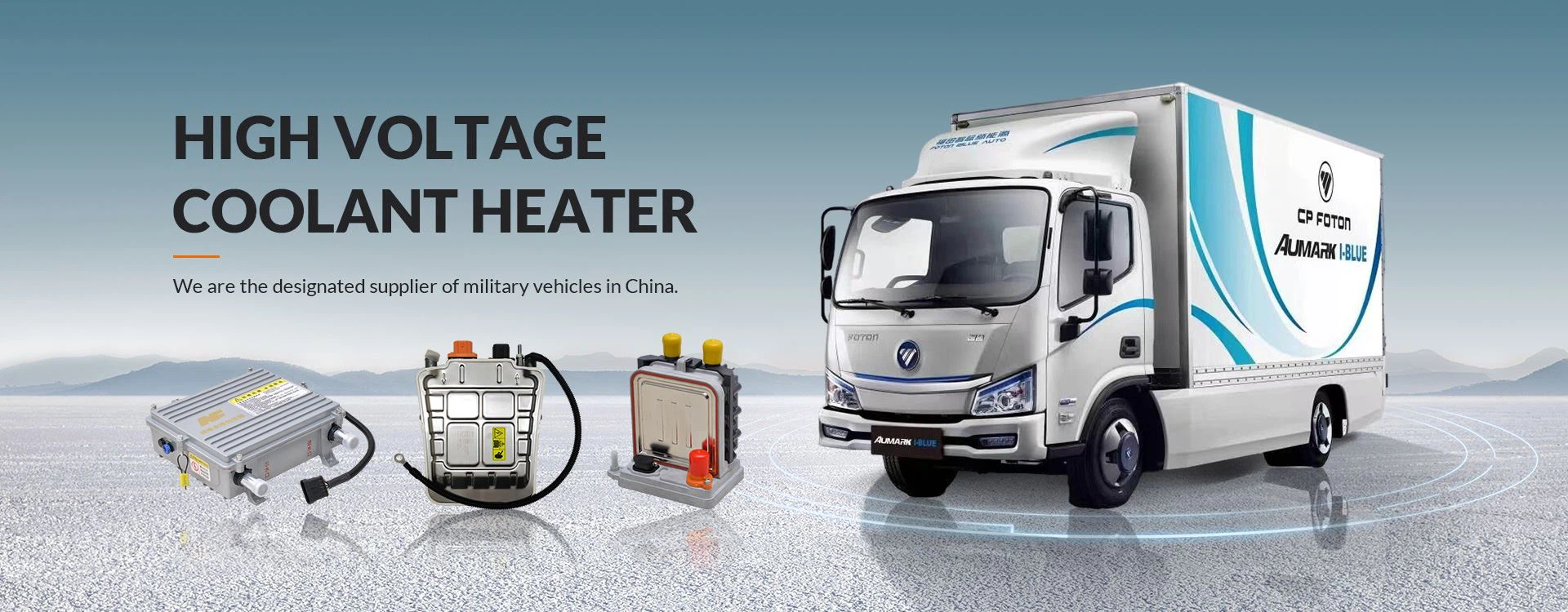
- The PTC coolant heater uses a water heater to indirectly heat the air. The heater first heats the water, and the hot water flows into the warm air core to exchange heat with the cold air, and the heated cold air is sent into the passenger compartment.
- The heat loss is small, and it is a relatively mature and safe heating solution
- Widely used in electric vehicles