Thermal management and heating methods of new energy vehicle power batteries
Battery Thermal Management
In fact, the most suitable working temperature of the battery is between 15-40°C, but the actual working environment of the car is very wide, ranging from minus 20°C to 55°C. There are various solutions at present, but the main purpose is Three functions to achieve thermal management:
Heat dissipation: When the temperature is too high, the battery capacity will decrease and the risk of thermal runaway increases, so heat dissipation is required when the temperature is too high.
Heating: When the temperature is too low, the battery capacity will also decay. Charging at this time will also cause an internal short circuit, which may cause thermal runaway. Therefore, heating (or insulation) is required when the temperature is too low.
Temperature consistency: Power batteries need to try to ensure that the temperature difference between the cells is as small as possible.
The low temperature environment has a great impact on vehicles and power batteries. Low temperature will reduce the discharge capacity of the battery, thereby affecting the cruising range. It will also affect the vehicle's power, energy recovery, etc.
Natural battery heating: Use the heat generated by the battery itself during charging and discharging to increase the temperature of the battery. This heating method is slow and has basically been abandoned by mainstream manufacturers except for early models and low-cost vehicles.
Air blast heating: Use an external air conditioner to blow hot air to control the temperature inside the battery pack. However, this technology requires strict design of the air ducts in the battery pack. The battery heating effect is relatively slow. If the design is not good, it is easy to occur. Local temperature is too high.
Heating equipment in the battery pack: The heating system mainly consists of heating elements and circuits, of which the heating element is the most important part.

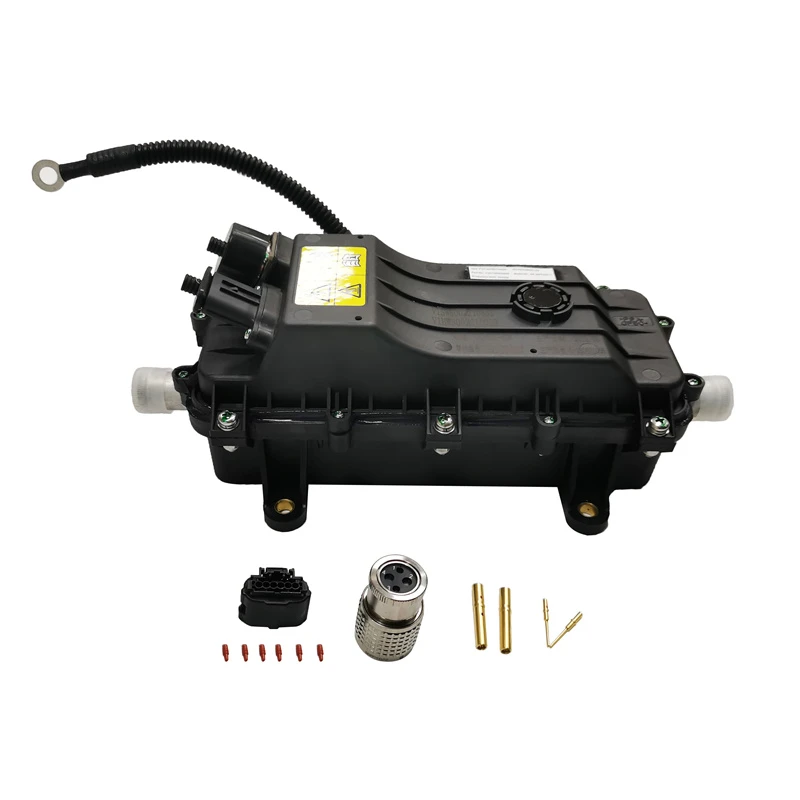

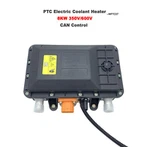
Common heating elements include variable resistance heating elements and constant resistance heating elements. The former is usually called PTC (positive temperature coefficient), and the latter is a heating film usually composed of metal heating wires, such as silicone heating film and flexible electric heating. membrane etc. PTC or heating film method usually has good heating effect and fast speed. However, there will also be uneven temperature rise of the battery. The temperature rise of the battery core close to the heating source will be significantly higher than that of the battery core far away from the heating source. In particular, the heating film is closely attached to the surface of the battery module for heating. Therefore, there are also certain requirements for the heat dissipation structure in the battery pack.
PTC is widely used due to its safe use, high heat conversion efficiency, rapid temperature rise, no open flame, and automatic constant temperature. Its low cost is a favorable factor for the current higher-priced power batteries. However, the heating element of PTC is large and will occupy a large space inside the battery system. Insulating flexible electric heating film is another type of heater that can be bent according to any shape of the workpiece, ensuring close contact with the workpiece and ensuring maximum heat energy transfer. Silicone heating film is a flexible thin surface heating element, but it needs to be in complete close contact with the object to be heated, and its safety is worse than PTC.
Liquid circulation heating: Liquid-cooled battery packs occupy a mainstream position due to their good heating effect, even heat dissipation distribution, safety and reliability. The internal structure of the battery pack will be designed with water channels that are conducive to heat dissipation, dissipating heat evenly into the battery pack to achieve an even rise in battery temperature.