What products do thermal management system manufacturers require?
The core product lines of thermal management system manufacturers-primarily serving sectors such as new energy vehicles, energy storage equipment, and data centers-span multiple stages, including heat generation, transmission, exchange, and control.

1. Electric Air Conditioning Compressor:
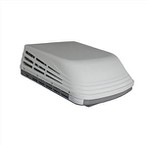
As the heart of the thermal management system, the electric compressor is responsible for driving the circulation of refrigerant throughout the system. Unlike the compressors found in traditional fuel-powered vehicles, it is driven by a high-voltage DC motor and features high energy efficiency, low noise levels, and variable displacement capabilities. Primarily utilized for cabin cooling and battery thermal management systems, it serves as a core component of heat pump systems.
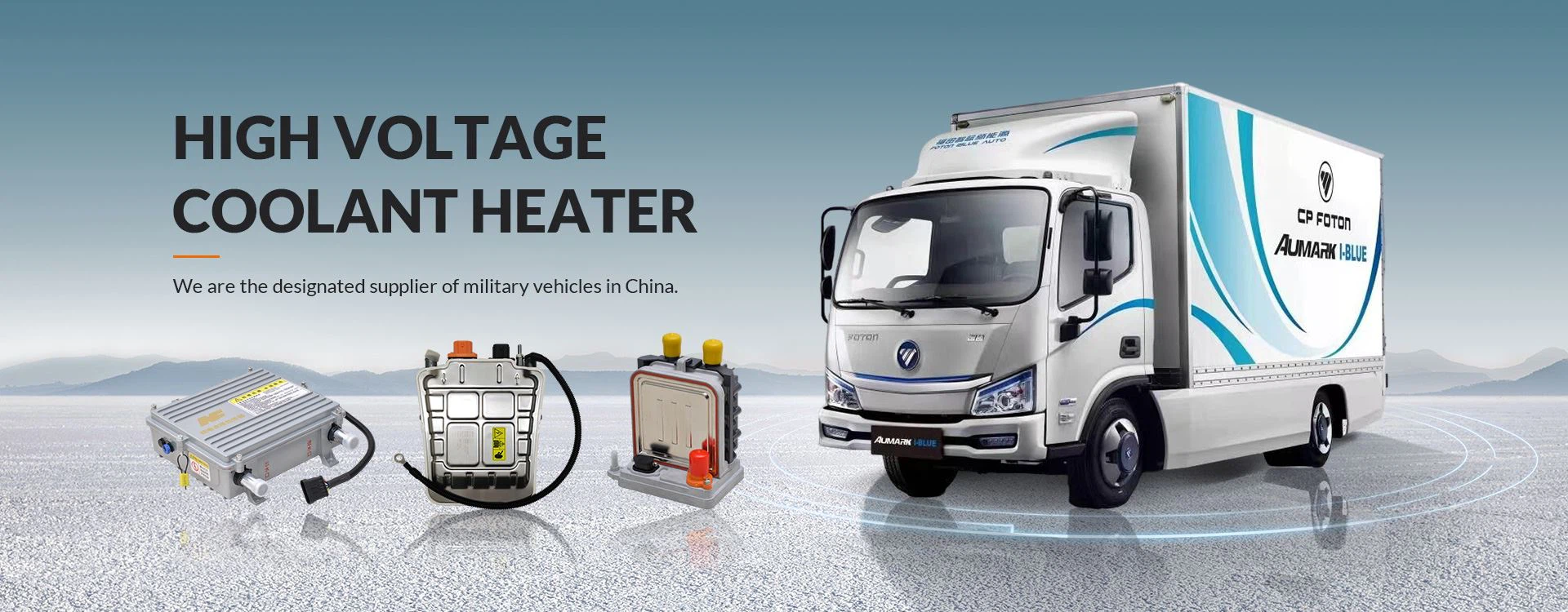
In new energy vehicles, due to the absence of waste heat from an internal combustion engine, PTC (Positive Temperature Coefficient) heaters serve as the primary heating components. They are categorized into air-based PTC heaters (used to rapidly heat the airflow from the HVAC vents) and water-based PTC heaters (used to heat the coolant, thereby maintaining the thermal stability of the battery pack or raising the cabin temperature). PTC heaters possess inherent self-regulating temperature characteristics, ensuring a high level of safety.


It is responsible for driving the circulation of coolant through the battery pack, electric motor, electronic control system, and heater core. Driven by an electric motor, the electronic water pump enables stepless speed control, allowing for the precise regulation of flow rate based on the system's thermal load; this reduces energy consumption and serves as the key actuator for achieving precise temperature control.
In addition to traditional thermal expansion valves, electronic expansion valves and multi-way water valves (such as three-way and four-way valves) play a crucial role. Electronic expansion valves precisely control refrigerant flow, while multi-way water valves facilitate the switching of operating modes-such as motor waste heat recovery and battery series heating-by rerouting the coolant flow; they are, therefore, key components enabling the heat pump system to execute a diverse range of operational modes.