What role does an electric air compressor play in an electric bus?
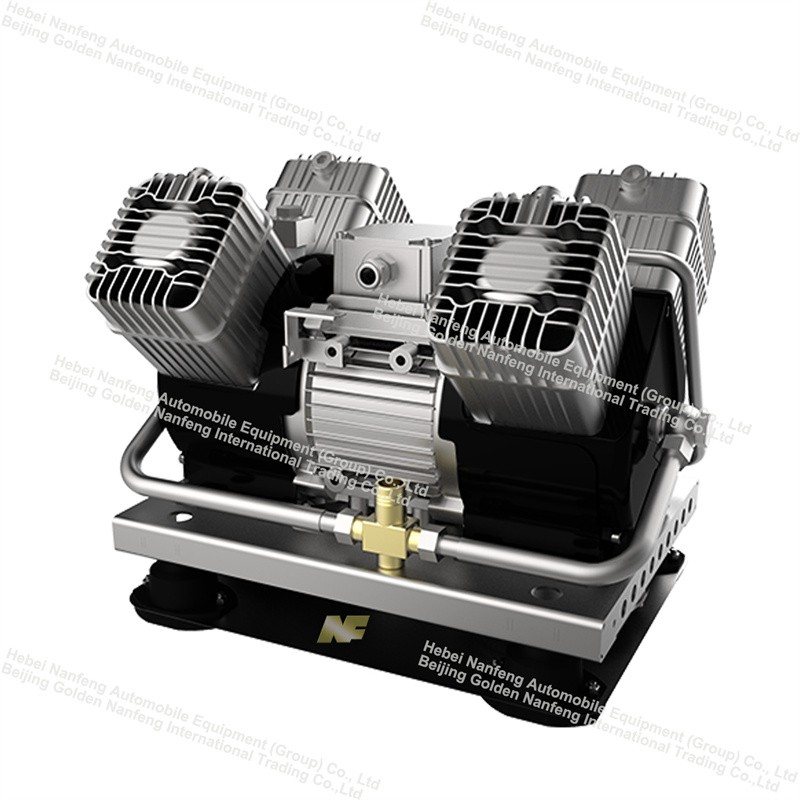
The electric air compressor plays a pivotal role in electric buses, serving as both the vehicle's "respiratory system" and its "power source." Its primary function is to generate, process, and supply a steady stream of compressed air to drive various critical safety and comfort systems. Its specific functions are outlined below:

1. Core Power Source: The Braking System
This constitutes the compressor's most fundamental and critical function. Electric buses typically utilize pneumatic braking systems. The high-pressure air generated by the compressor is stored in air reservoirs; when the driver depresses the brake pedal, this compressed air flows through a network of lines to actuate the brake chambers. This action, in turn, drives the brake shoes or calipers to create friction against the wheel drums or discs, thereby enabling the vehicle to decelerate or come to a complete stop. Without compressed air, the braking system would fail; consequently, the reliability of the compressor is directly and inextricably linked to driving safety.
2. Adjusting Body Height: The Suspension System
To enhance ride comfort and adapt to varying road conditions, many electric buses are equipped with air suspension systems. A compressor supplies compressed air to the air springs (air bags), thereby regulating the vehicle's body height by controlling the inflation volume of these bags. For instance, when passengers are boarding or alighting, the system can slightly lower the vehicle body (via a "kneeling" function) to facilitate easier access; conversely, while the vehicle is in motion, the system maintains body stability and absorbs vibrations in response to road conditions.
3. Auxiliary Operations: Door Opening and Closing
The opening and closing of electric bus doors are typically driven by a pneumatic system. Compressed air supplied by a compressor actuates pneumatic cylinders, enabling the rapid and forceful opening and closing of the doors. This system ensures the durability and reliability of the doors under frequent operation.
4. Other Auxiliary Pneumatic Applications
On certain vehicle models, compressed air may also be used to assist other equipment, such as pneumatic windshield wipers, turbocharger wastegate actuators, or to power certain pneumatic horns.
5. Distinctions from Fuel-Powered Vehicles and Their Significance
Unlike traditional fuel-powered buses, electric buses lack an internal combustion engine to serve as a continuous power source for driving the air compressor. Consequently, electric buses typically employ an independent, motor-driven air compressor. While this design offers superior energy efficiency and intelligence-operating on an "on-demand" basis-it also implies that the compressor functions as a distinct, high-voltage component; as such, its operational status directly impacts both the overall energy consumption and the safety of the entire vehicle. The compressor's start-stop cycles are precisely regulated by an electronic control system, which responds to signals from air pressure sensors to balance the demand for compressed air against electrical energy consumption, thereby ensuring the vehicle's driving range.
In summary, the electric air compressor is a core component that ensures the safe operation (braking), passenger comfort (suspension), and daily functionality (doors) of electric buses; it is an indispensable and critical element of these vehicles.