
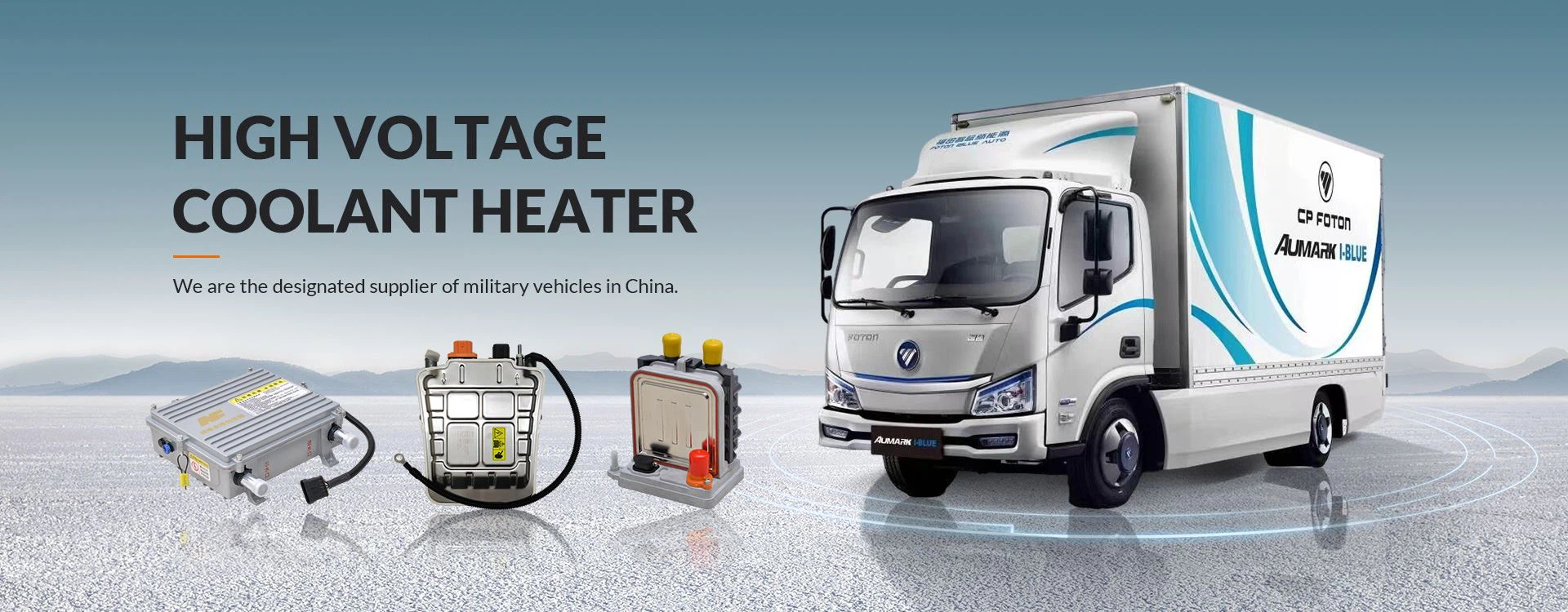
Why do electric buses need high-voltage defrosting?
Electric buses employ a high-voltage electric defrosting system primarily to ensure driving safety, improve operational efficiency, and guarantee passenger comfort in cold environments. Its necessity is reflected in the following three aspects:
I. Rigid Safety Requirements
Traditional gasoline vehicles can utilize engine waste heat for defrosting, but electric buses lack this heat source. Frost on windows and rearview mirrors in winter severely obstructs the driver's vision, directly threatening driving safety. High-voltage electric systems can quickly generate powerful heat energy, clearing frost from the front and rear windshields and side windows in a short time (usually 5-10 minutes), improving efficiency by more than three times compared to traditional low-voltage defrosting, ensuring safe operation even in extremely cold conditions.


II. Battery Efficiency and Range Guarantee
Low temperatures reduce the activity of lithium batteries. Using the vehicle's heating system for defrosting significantly depletes the battery, drastically reducing driving range. High-voltage electric defrosting (operating voltage typically 400-800V) uses directional heating, directly acting on heating wires or conductive coatings on the glass surface. Energy utilization is more than 60% higher than air conditioning heating, maximizing the retention of battery energy for driving.
III. Operational Efficiency and Passenger Experience
Public transportation systems require punctual departures. Traditional defrosting methods require 30 minutes of preheating, while high-voltage electric defrosting can reduce preparation time to within 10 minutes. Simultaneously, the system maintains a comfortable temperature inside the vehicle, preventing passengers from waiting in the cold due to defrosting delays. Some advanced models also incorporate intelligent temperature control technology, automatically adjusting defrosting power based on ambient temperature to achieve an optimal balance between energy consumption and efficiency.
This technological solution not only solves the adaptability challenges of electric vehicles in cold regions but also embodies the concept of green travel through precise energy management, becoming an indispensable core configuration for modern electric buses.


