

Application of Thick Film Heating Technology in New Energy Vehicles
The three heating methods used in new energy vehicle air conditioning heaters can be divided into air heating, water heating and heat pump according to the heating medium and heating method.
1. Air heating method (the heating element is a resistance wire or PTC): The electric heating element is arranged in the air outlet channel of the air conditioner. The air flows directly through the heating element and is heated and then blown into the car cabin.
2. Water heating method (the heating element is PTC or thick film heating): the heating element is arranged in the liquid flow channel of the component, and the heat is brought to the heat exchanger in the air outlet channel by circulating the heated liquid, and the air flows directly through the heat exchanger to be heated. Then it blows into the car cabin.
3. Heat pump method: Although the energy efficiency ratio is the highest, when the ambient temperature is low in the northern region in winter, heating cannot meet the normal use needs of the vehicle, so it has not been applied in domestic passenger cars.
The air heating method has the characteristics of simple system and easy layout. Because of the high temperature of the air heat exchange interface, the heating comfort of the occupants is not strong. In addition, if the electric heating components enter the passenger car cabin, there is a greater safety risk.
The water heating method can effectively improve the heating comfort of the occupants. The electric heating components are in the front cabin of the car, which is safer and more reliable, but the manufacturing technology of the components is relatively difficult. From a safety perspective, water heating is the mainstream for the future development of new energy vehicles.
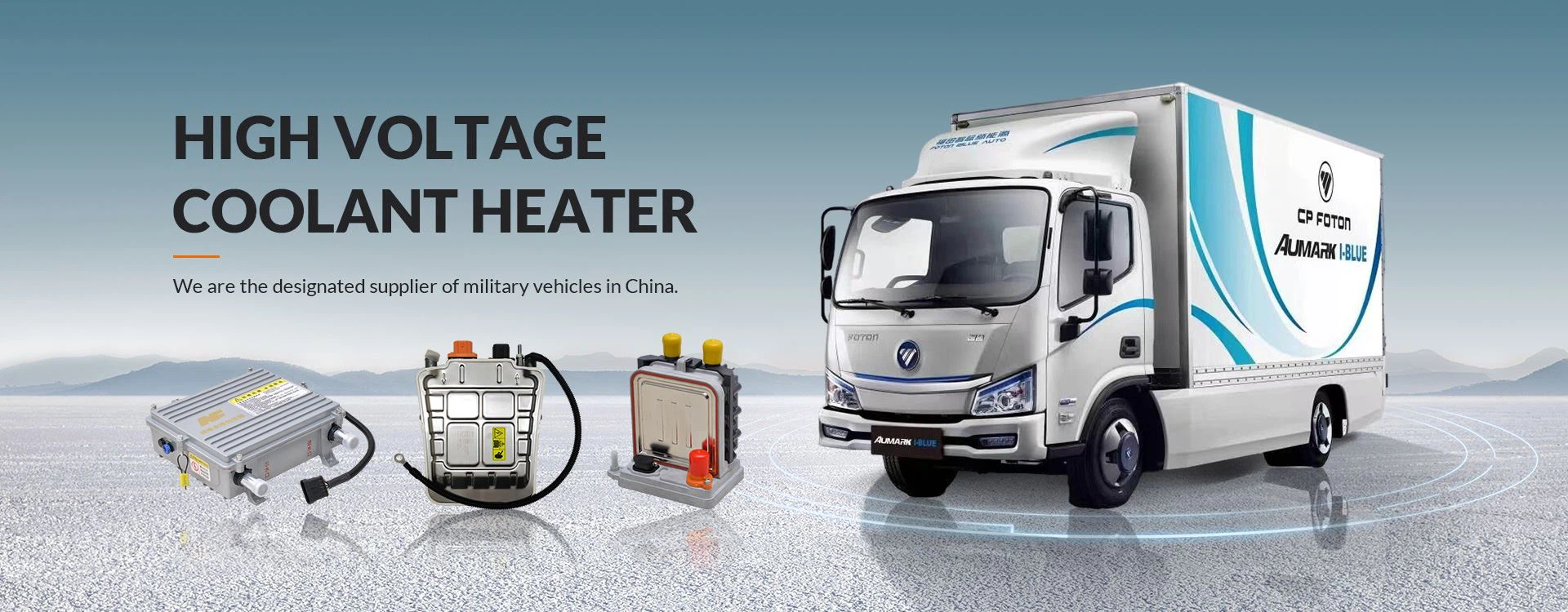
Classification and characteristics of water heating heaters for new energy vehicles: Judging from the heating elements used, water heating heaters can be divided into two technical routes: PTC and HIC. Both types of products have mature applications in new energy vehicle models on the market.

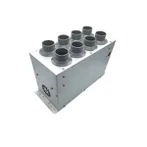
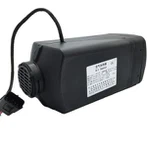
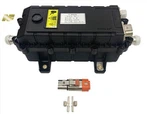
Three imported water heating heaters available on the market
Due to its simple structure and few heat exchange interfaces, the HIC thick film water heating heater has the characteristics of high heat exchange efficiency, small size, and light weight. It has the advantages of stable resistance value, no power attenuation, and low heat capacity and thermal resistance. It can The electrical performance of good controllability and no starting current shock has obvious advantages over PTC heating. The reason why the heat transfer efficiency of HIC thick film heater is higher than that of PTC heater can be explained by the second law of thermodynamics (entropy increase principle) theory. Because, the entropy of an isolated system never decreases automatically, entropy increases in an irreversible process. In the heat transfer environment of water heating heaters, the heat exchange process conforms to the irreversible process described in the second theorem of thermodynamics, so the heat exchange efficiency mainly depends on the heat exchange temperature difference between high and low temperatures during the heat exchange process. When the fluid temperature is heated to the operating temperature (60-90°C), the operating temperature of the core heating element of the PTC heater is about 250°C, while the operating temperature of the core heating element of the HIC thick film heater is about 200°C. Therefore, the HIC thick film heater is thicker than the PTC It has a lower exchange temperature difference, so it has higher heating (heat exchange) efficiency (that is, less entropy increase).

Main features of thick film products:
1. Fast temperature rise (80~150℃/s);
2. High thermal efficiency (≥97%);
3. Long service life (≥10,000 hours);
4. High power density (40-100 w/cm²) and compact size;
5. Multiple insulation and safety protection.