


Battery Thermal Management System (BTMS)

The Battery Thermal Management System (BTMS) is one of the core systems of an electric vehicle, directly affecting the safety, performance, and lifespan of the entire vehicle.
I. Why Batteries Need Thermal Management
Power batteries, especially lithium-ion batteries, are highly dependent on operating temperature for their performance, lifespan, and safety.
Optimal Operating Range
The ideal operating temperature range for batteries is typically between 15°C and 40°C, with the optimal range being approximately 20°C to 35°C.
High Temperature Hazards
Excessively high temperatures (e.g., exceeding 60°C) accelerate battery capacity decay, increase internal resistance, and in extreme cases, may trigger thermal runaway, leading to fire and explosion.
Low Temperature Hazards
Excessively low temperatures reduce the rate of internal chemical reactions within the battery, resulting in a sharp drop in capacity and power output, charging difficulties, and potentially lithium deposition, damaging the battery.
Temperature Difference Hazards
Uneven temperature distribution (excessive temperature difference) between cells or modules within the battery pack leads to inconsistent performance, accelerates the aging of the entire battery pack, and limits its usable capacity.
Therefore, an efficient thermal management system aims to maintain the battery temperature within its optimal window and minimize the maximum temperature difference within the battery pack (ideally ≤3°C).
II. How the Thermal System Works
The liquid thermal management system uses circulating coolant as a medium to dissipate heat or heat the battery.
Cooling Function
Heat Absorption: Driven by an electric pump, the coolant flows through liquid cooling plates within the battery pack (usually in contact with the battery modules), absorbing the heat generated by the battery.
Heat Dissipation: The high-temperature coolant, having absorbed heat, is pumped to the front radiator (air-cooled) or exchanges heat with the vehicle's air conditioning system (via a chiillery heat exchanger), dissipating the heat into the outside air.
Circulation: The cooled coolant flows back into the battery pack, beginning the next cycle.
Heating Function
When the battery temperature is too low, the system can heat the coolant using a PTC heater (positive temperature coefficient thermistor).
The warmed coolant flows through the liquid cooling plates, acting like a "hot water bottle" to heat the battery.
Some advanced systems can also utilize waste heat generated by the electric drive system, recovering it through plate heat exchangers for battery heating, thus improving energy efficiency.
III. Key Components of the System
A typical liquid thermal management system mainly consists of the following components:
Liquid Cooling Plate: The core heat exchange component in direct contact with the battery module, typically made of aluminum with an internal flow channel design. Its design must balance heat dissipation power, reliability, and lightweight.
Coolant: Requires high thermal conductivity, insulation (to prevent short circuits), low viscosity, a wide operating temperature range, and good material compatibility. Ethylene glycol-water mixtures are commonly used (the ratio is adjusted according to antifreeze requirements), although pure organic alcohols and other dielectric fluids are also sometimes used.
Electric Pump: Provides the power for coolant circulation. Its speed is often adjustable to achieve on-demand supply and reduce energy consumption.

Heat Exchanger(Chiller): A heat exchanger connecting the coolant circuit and the air conditioning cooling circuit, used to enhance cooling.
Radiator: Located at the front of the vehicle, it dissipates heat from the coolant through airflow.
Plate heat exchanger: Used for heat exchange between different circuits, such as for waste heat recovery.
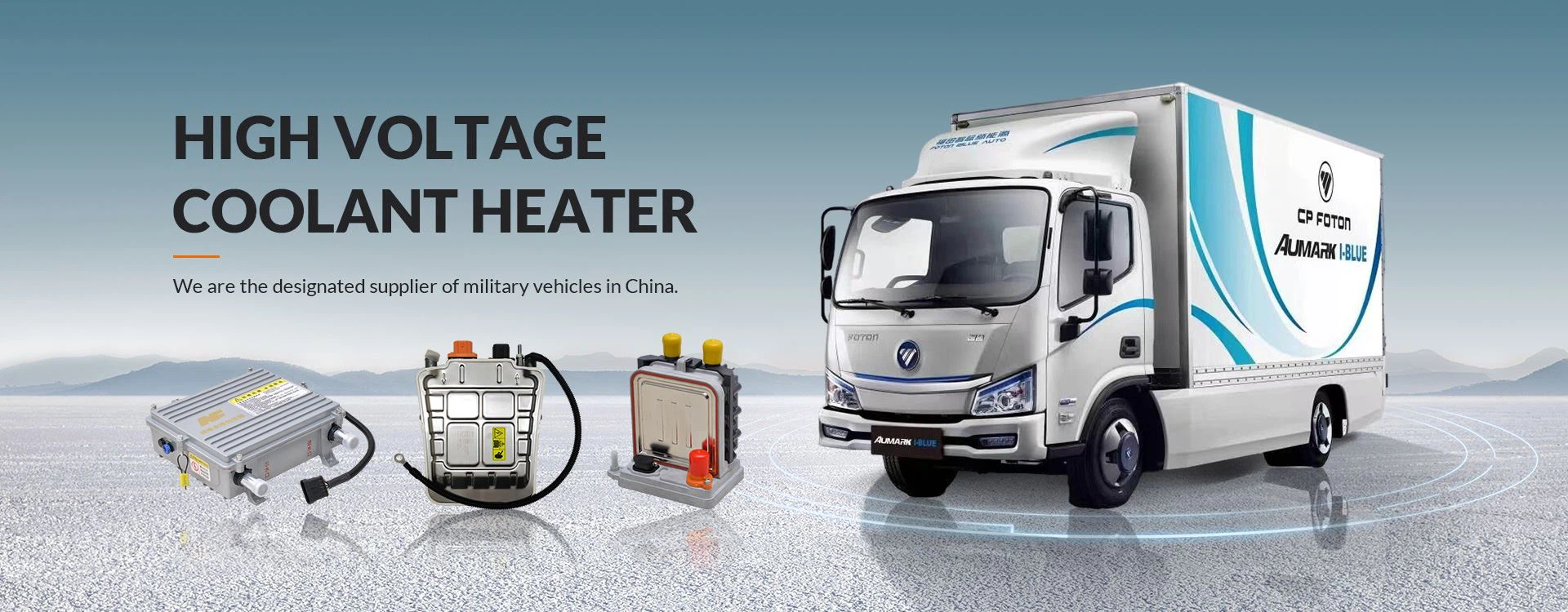
PTC heater: A device that heats the coolant when heating is required.

Valve body (e.g., three-way valve, solenoid valve): Controls the flow direction of the coolant, enabling switching between different modes (e.g., switching between cooling and heating modes, or between different heat sources).

Reservoir: Compensates for the expansion and contraction of the coolant due to temperature changes, and facilitates filling and bleeding.
Sensors and control unit: Temperature sensors monitor the battery and coolant temperature in real time. The Battery Management System (BMS) thermal management controller is the brain, intelligently controlling the operation of actuators such as pumps, PTC heaters, valves, and air conditioning compressors based on temperature signals and vehicle status using algorithms.


