
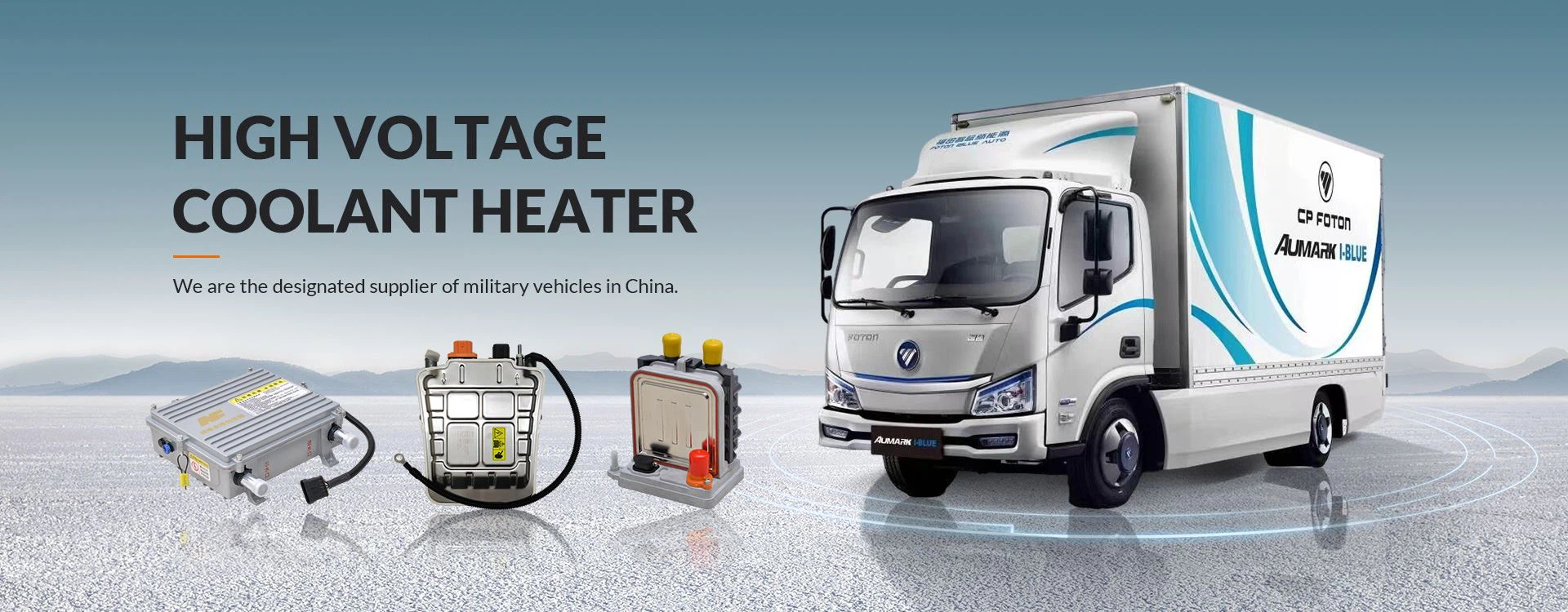


High-power PTC electric heaters: the "core of temperature control" for new energy commercial vehicles.
In the field of new energy commercial vehicles, stable and efficient thermal management of the battery and passenger compartment is directly related to vehicle performance, safety, and range. High-power PTC (positive temperature coefficient) electric heaters are the "temperature control core" of this thermal management system, ensuring reliable vehicle operation in complex environments such as extreme cold with their unique technological advantages.

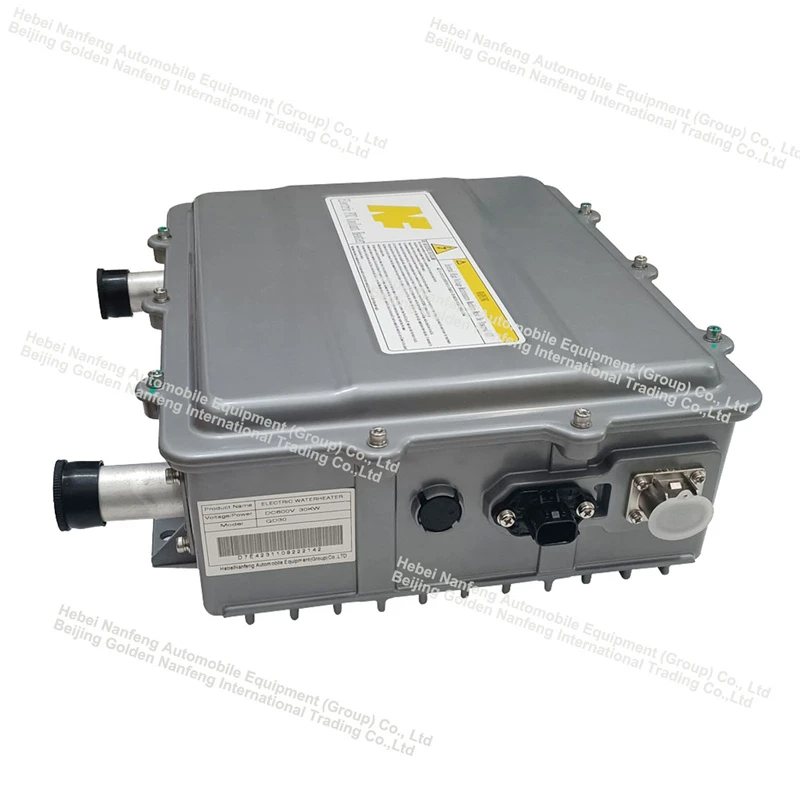
I. Core Function: Precise and Efficient Heat Source Supply
Compared to traditional gasoline vehicles that utilize engine waste heat for heating, new energy vehicles lack readily available heat sources. High-power PTC electric heaters directly convert electrical energy into heat energy, providing stable and controllable heat output for battery pack heating and passenger compartment heating. Its core functions include:
1. Battery Thermal Management: Ensuring the power battery quickly rises to a suitable operating temperature (typically above 0°C) in low-temperature environments, guaranteeing charging efficiency and discharge power, and effectively preventing capacity degradation and safety hazards caused by low temperatures.
2. Passenger Compartment Heating: Providing rapid and comfortable warm air to the driver's cab and passenger compartment, enhancing the driving and riding experience and replacing traditional heating systems.
II. Technical Advantages: Safe, Intelligent, and Reliable
The core characteristics of PTC heaters make them an ideal choice:
--Adaptive Temperature Control and Safety: Their resistance increases sharply with temperature, possessing self-limiting temperature characteristics that prevent excessive surface temperature, fundamentally improving safety and avoiding overheating risks.
--Rapid Response and Precise Control: They heat up quickly after being powered on, and when combined with the vehicle's thermal management system, they can achieve precise temperature control by zone and adjustment as needed, improving energy efficiency.
--Compact Structure and Strong Adaptability: Modular design facilitates integration, enabling high-power versions (typically several kilowatts) to meet the large space and high heat demands of commercial vehicles, and they are highly adaptable to voltage platforms (such as high-voltage platforms).
III. Key Value: Enhancing Vehicle Performance and User Experience
As the "core of temperature control," its value is reflected in:
--Ensuring All-Weather Range: By maintaining the battery's optimal operating temperature, reducing low-temperature range degradation is key to improving the vehicle's applicability in all regions and seasons.
--Enhancing Safety Level: Self-limiting temperature characteristics and circuit protection design provide double protection for vehicle thermal safety.
--Optimizing Energy Management: Intelligent control strategies can work in conjunction with systems such as heat pumps to achieve a balance between energy efficiency and heating needs, helping to extend the vehicle's range.


