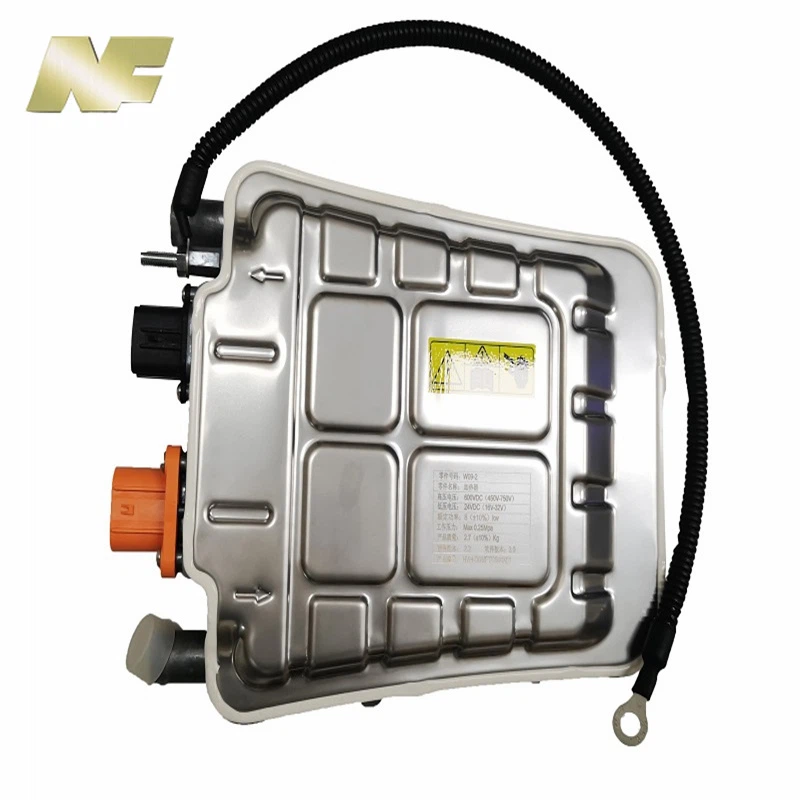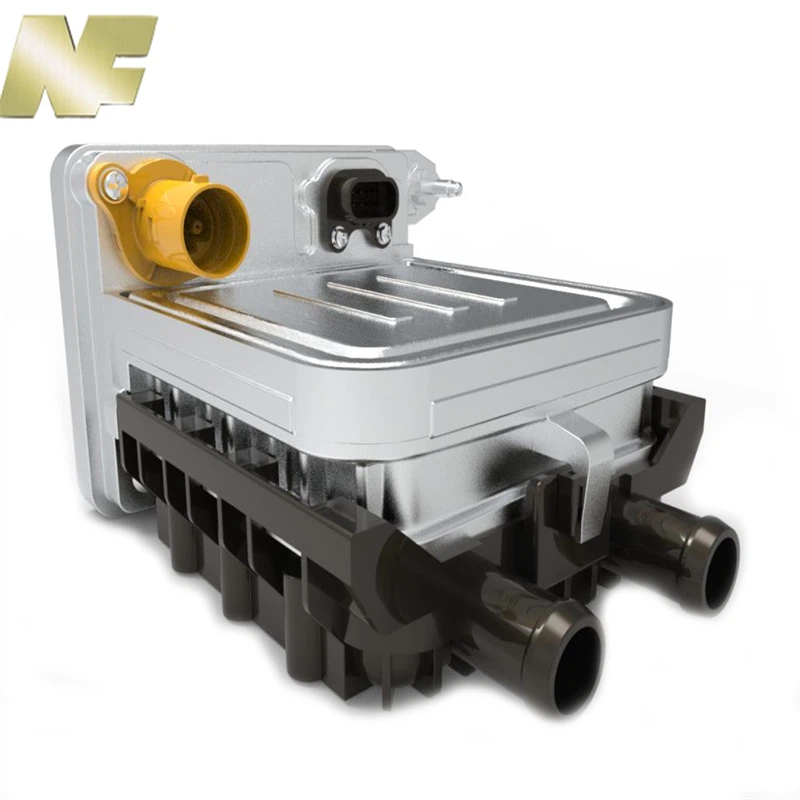


Introduction to PTC
PTC is the English abbreviation of "Positive Temperature Coefficient". After Haayman, a Dutchman, discovered the PTC ferroelectric effect of BaTiO3 ceramics for the first time by chance in 1950, exploring the mechanism of this phenomenon has always been an eye-catching research topic. It has been more than 20 years since the advent of PTC theory to industrial production, and the extensive use of PTC products has been in the past 40 years. At present, PTC technology has become an important part of modern industry.
As a new type of thermistor material, its main uses can be divided into two categories: switching and heating. The use of PTC material is heat sensitive. Various heater products made by utilizing the characteristics of heat-generating PTC, such as stable performance, rapid temperature rise, and little influence by power supply voltage fluctuations, have become the most ideal substitutes for metal electric filament hair-generating materials. At present, dry car air conditioners, electric car air conditioners, electric car defrosters, etc. have been widely used.
PTC heater characteristics
The PTC heater adopts PTCR heat-sensitive ceramic element, which is composed of several single pieces combined with corrugated heat-dissipating aluminum strips through high-temperature adhesive bonding, which has the remarkable advantages of small thermal resistance and high heat exchange efficiency. Its biggest feature is its safety, that is, when the fan fails and stalls, the power of the PTC heater will automatically drop sharply due to insufficient heat dissipation. At this time, the surface temperature of the heater is maintained at about the Curie temperature (generally 240°C), so as not to cause the "redness" phenomenon on the surface of the electric heating tube heater, which eliminates the hidden danger of accidents.