
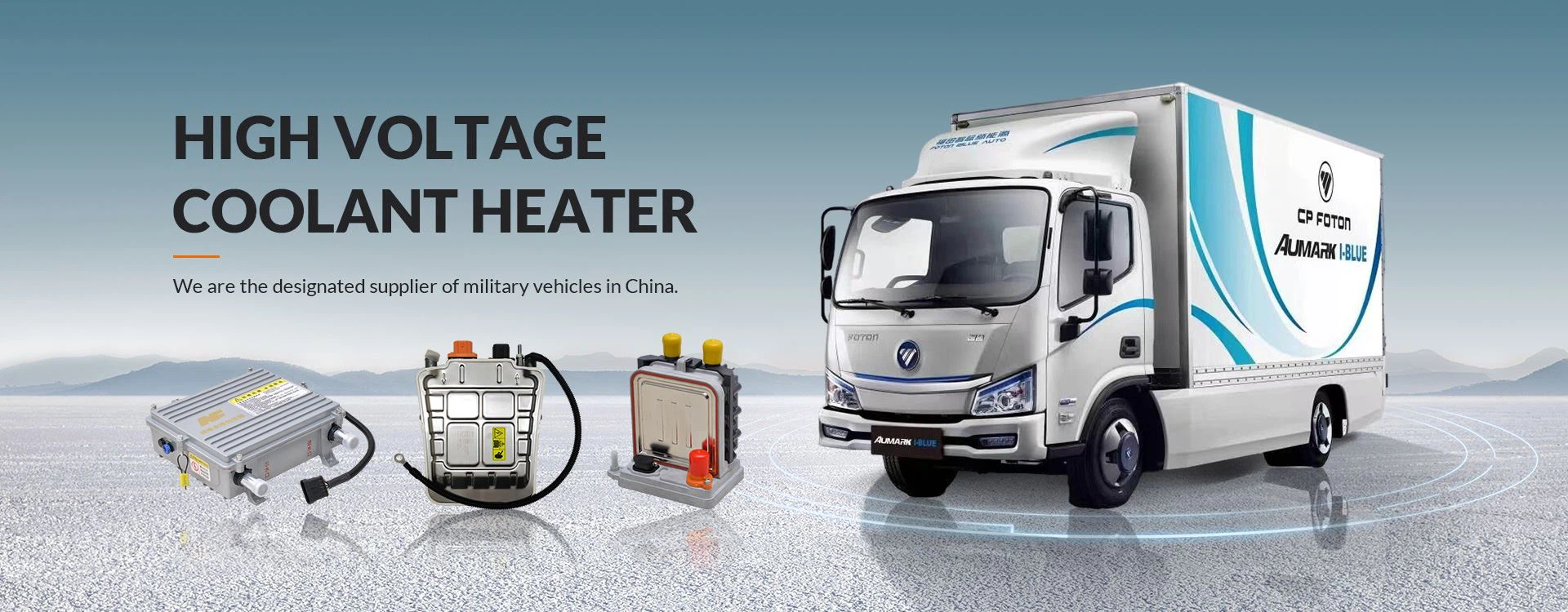


Basic Thermal Management System


In new energy vehicles, the currently commonly used thermal management system is the "electric compressor cooling + electric heater (PTC) heating" mode. This system has a simple structure and is relatively easy to implement. The system has a simple structure and is relatively easy to implement, and can be directly modified on the original fuel vehicle air conditioning system.
In the passenger compartment refrigeration scheme, it can be realized by replacing the mechanical compressor of the original fuel vehicle air conditioning system with an electric compressor. In the passenger compartment heating scheme, traditional fuel vehicles and PHEVs can use the residual heat of the engine cooling water to heat the passenger compartment.
The heating effect is relatively sufficient, and no additional fuel consumption is basically generated. In pure electric vehicles, since there is no engine to provide hot water , so the heating scheme needs a completely different design: the simpler scheme is to use electric heaters for heating, for example: using air side heaters (APTC) instead of HVAC The heater core in the heater directly heats the air: or a water-side heater (WPTC) is used to heat the water circuit to form a heat source similar to the engine cooling water, and then the hot water is sent to the heater core to heat the air.
For the thermal management of the battery, the refrigerating circuit of the air conditioning system of the passenger compartment is usually introduced into the battery cooler, the cooling water circuit, and the cooling water is sent to the battery pack to cool the battery; when heating, the electric heater is used to directly heat the battery. air or water to heat the battery. When using a water heater, it is possible to share a heating circuit with the air conditioning system.
The electric heater is used to heat the passenger compartment and the battery pack. The structure is simple, the control strategy is relatively simple, and the cost is low and the technology is mature. However, the energy efficiency ratio (heating amount/transmission power) of the electric heater is in the range of 0.85-0.95, and the energy efficiency is relatively low. When an electric heater is used for heating in winter, the battery energy is rapidly consumed, which seriously affects the driving range of electric vehicles.


