

Why do new energy vehicles need defrosters?
In new energy vehicles, the defroster (or defrost system) functions similarly to that of traditional fuel vehicles. However, due to the unique design of new energy vehicles (such as the integrated thermal management system and the lack of engine waste heat utilization), their functional implementation and technical details differ. The following are its main functions and characteristics:


1. Core Functions
(1) Defrosting/defogging of the front windshield and windows
Quickly remove frost, ice, or fog on the inside and outside of the glass to ensure a clear view for the driver and ensure driving safety, especially in cold and humid environments.
(2) Defrost the side mirrors
Some new energy vehicles are equipped with electrically heated rearview mirrors to prevent ice or fogging on the mirror surface that affects vision.
2. Special Challenges of New Energy Vehicles
(1) No Engine Waste Heat Available
Traditional fuel vehicles can use the heat of the engine coolant for defrosting, while new energy vehicles (such as pure electric vehicles) rely on independent heating systems powered by batteries, which consume more energy and may affect battery life.
(2) Higher Thermal Management Efficiency Requirements
It is necessary to balance defrosting energy consumption with battery life, so more efficient heating technologies (such as PTC heaters, heat pump systems) or intelligent control strategies are often used.
3. Common technical solutions
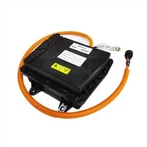
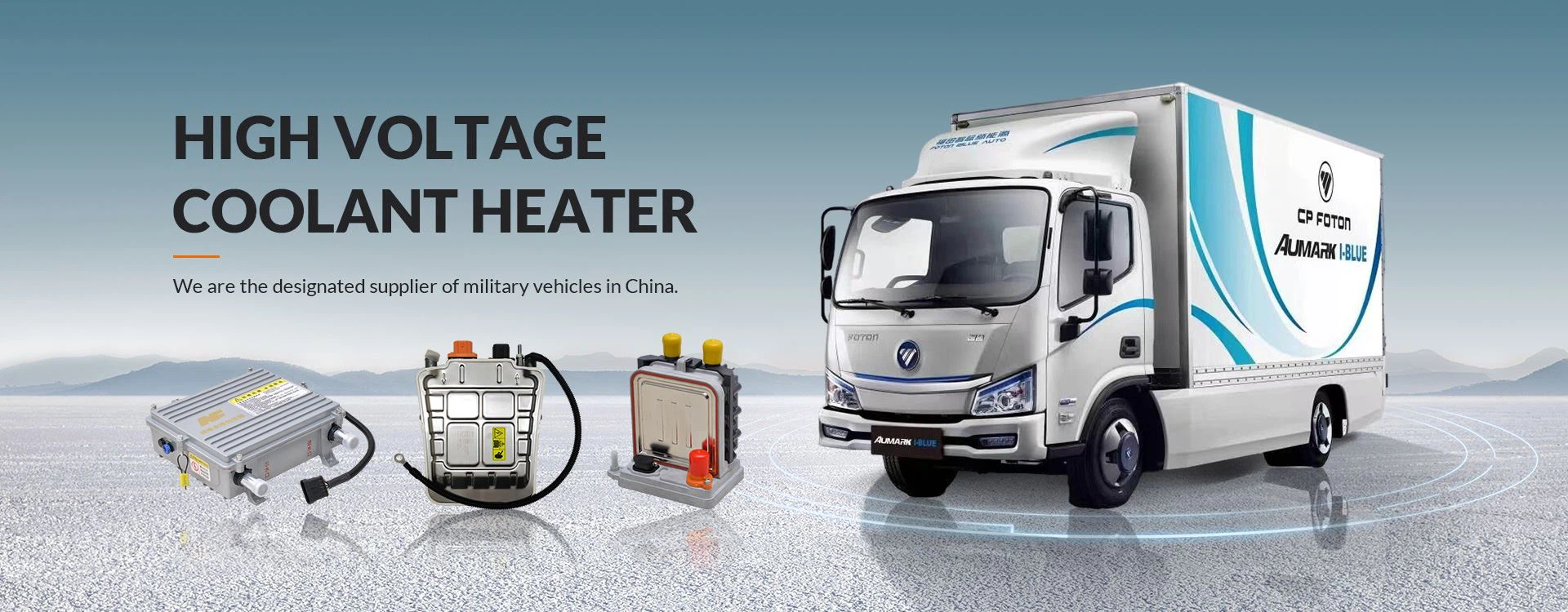
(1) High-voltage PTC heater
Directly uses electricity to generate heat, blowing hot air toward the glass through the air duct (air heating), or heating the coolant and circulating it to the heater core (water heating). High efficiency but high power consumption.
(2) Heat pump system
Some high-end models use heat pump air conditioners, which absorb heat from the environment, have a higher energy efficiency ratio (COP), and can reduce the impact of defrosting on driving range.
(3) Radiant heating (new technology)
For example, infrared heating glass or conductive film directly heats the glass to reduce heat loss, but the cost is relatively high.
4. Integration with the entire vehicle system
(1) Intelligent temperature control strategy
Automatically adjust the defrost power according to the ambient temperature and battery status, or reduce energy consumption during driving by pre-setting heating (preheating during charging).
(2) Cabin air conditioning linkage
The defrost system may share heat sources with the heat pump air conditioning and battery temperature control system to improve overall energy efficiency.