
Advantages and Functions of the Battery Thermal Management
System (BTMS) for Electric Vehicles
The Battery Thermal Management System (BTMS) is one of the core systems of an electric vehicle, directly affecting the safety, performance, and lifespan of the entire vehicle.

Cooling Function
Heat Absorption: Driven by an electric pump, the coolant flows through liquid cooling plates within the battery pack (usually in contact with the battery modules), absorbing the heat generated by the battery.
Heat Dissipation: The high-temperature coolant, having absorbed heat, is pumped to the front radiator (air-cooled) or exchanges heat with the vehicle's air conditioning system (via a chiillery heat exchanger), dissipating the heat to the outside air.
Circulation: The cooled coolant flows back into the battery pack, beginning the next cycle.
Heating Function
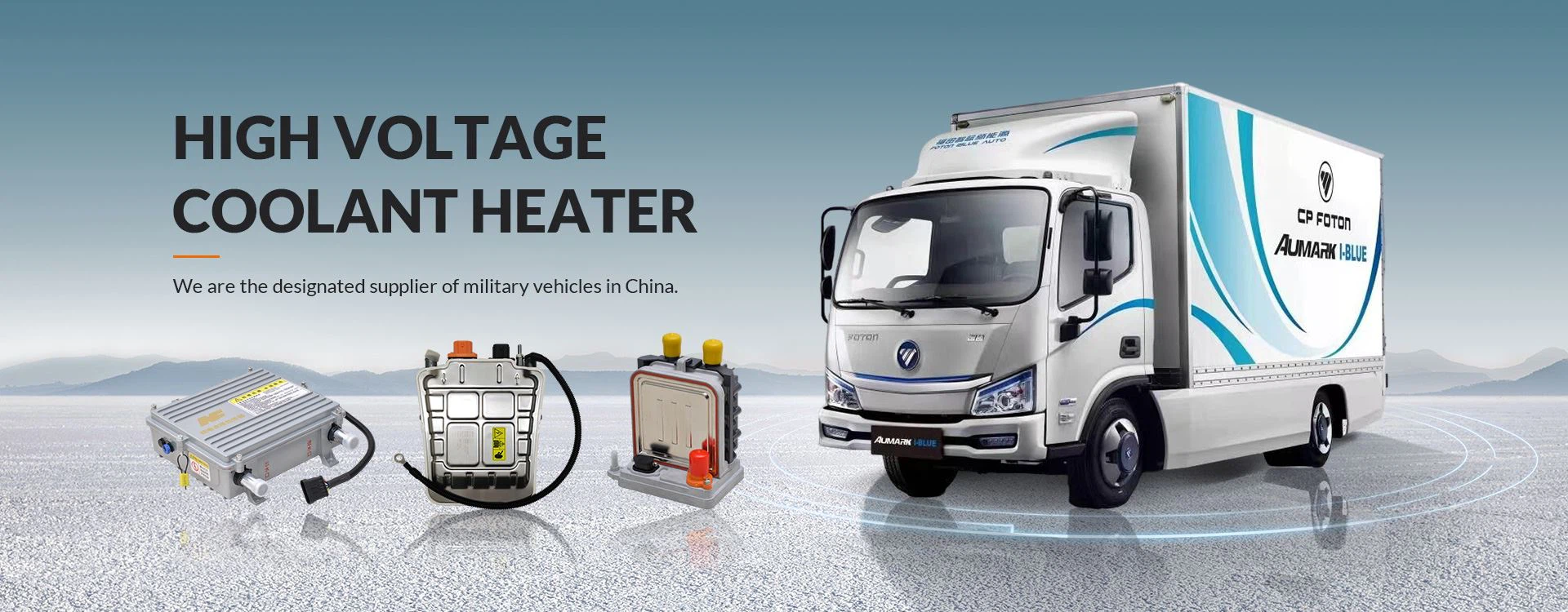
When the battery temperature is too low, the system can heat the coolant using a PTC heater (positive temperature coefficient thermistor).
The warmed coolant flows through the liquid cooling plates, acting like a "hot water bottle" to heat the battery.
Some advanced systems can also utilize waste heat generated by the electric drive system, recovering residual heat through plate heat exchangers for battery heating, improving energy efficiency.

Advantages of Liquid Thermal Management
High Heat Exchange Efficiency: Liquids have a large specific heat capacity, strong thermal conductivity, and fast heat dissipation, enabling them to handle high-heat scenarios such as fast charging.
System Complexity: Numerous components (pumps, valves, piping, etc.) result in relatively high costs and complex design and layout.
Good Temperature Uniformity: Effectively reduces temperature differences within the battery pack, extending its overall lifespan.
Potential Leakage Risk: Coolant leakage can lead to insulation failure, short circuits, and other safety issues, requiring extremely high sealing reliability.
Compact Structure: Easy to integrate within the battery pack, resulting in high energy density.
Weight and Energy Consumption: Pumps, PTCs, and additional coolant all contribute to increased weight and energy consumption, requiring optimized control to minimize their impact.
Good Environmental Adaptability: Capable of both cooling and heating, with a wide applicable temperature range.


