
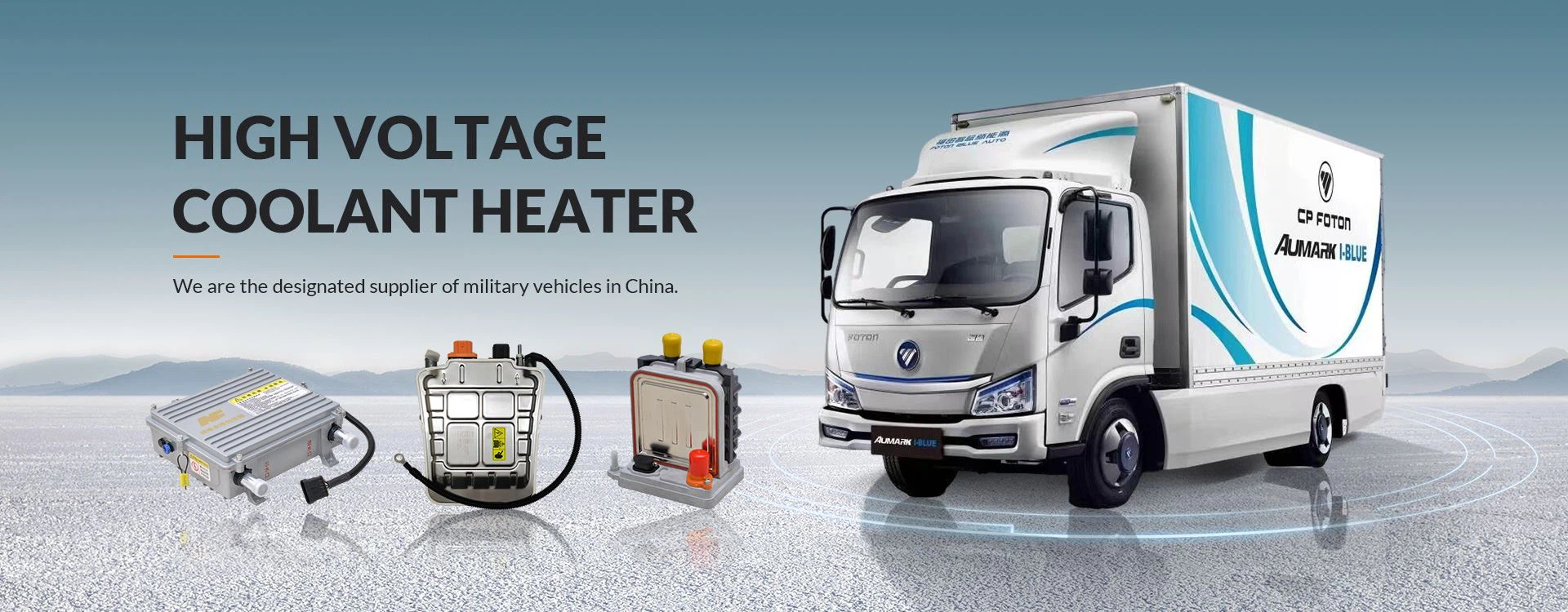
Battery Temperature Management System: How Does It Work?
The battery is the heart of an electric vehicle (EV) and is responsible for providing the energy needed to power the electric motor. However, temperature fluctuations can significantly affect battery performance and life. This is where the Battery Temperature Management System (BTMS) comes into play. They are designed to maintain the battery within a certain temperature range by actively heating or cooling it.
BTMS monitors the battery temperature and adjusts the cooling or heating system as needed. A typical BTMS consists of cooling devices, heaters, controllers and sensors. Sensors are placed in various places in the battery to monitor the temperature and transmit data to the controller. The control system then processes the data and decides whether the cooling or heating unit is activated based on a predetermined temperature range.
For example, if the battery temperature rises above a certain limit, the controller activates the cooling unit to circulate the coolant through the battery modules to absorb the excess heat. If the battery temperature drops below the minimum limit, the heating system is also activated to heat the battery. When the battery temperature reaches the desired value, the BTMS switches off the cooling or heating system.
BTMS can use different types of cooling systems, including air cooling, liquid cooling, and phase change material cooling. Air cooling is the simplest and least expensive system that uses a fan to blow through the battery. Liquid cooling is more efficient and uses a mixture of water and antifreeze that circulates through a network of pipes to dissipate heat. Phase change material cooling is the most efficient system that uses materials that absorb or release heat to maintain a constant temperature.
BTMS also offers numerous benefits to EV owners, including longer battery life, improved performance and faster charging times. By maintaining a constant temperature, BTMS prevents the battery from overheating or freezing, which can cause irreparable damage. In addition, a well-maintained battery can provide more consistent performance, improving acceleration, top speed and range of your electric vehicle. Finally, reliable batteries can charge faster, allowing EV owners to get back on the road sooner.
Thus, BTMS is a key component of electric vehicles as it ensures battery operation in an optimal temperature range. It uses a combination of cooling and heating systems controlled by a network of sensors and controllers to maintain the temperature of the battery. BTMS offers several benefits, including longer battery life, improved performance, and faster charging times. As EV adoption continues to grow, BTMS will become increasingly important to ensure EVs continue to be a viable alternative to conventional vehicles.


