Components required for converting fuel-powered buses to electric buses
Converting a traditional internal combustion engine (ICE) bus into an electric bus involves far more than simply removing the engine and installing an electric motor; it requires the installation of various specialized components to align with the electric vehicle's operational logic and ensure safe, stable performance. Key components in this conversion process include PTC electric heaters, electronic water pumps, and electric steering pumps.
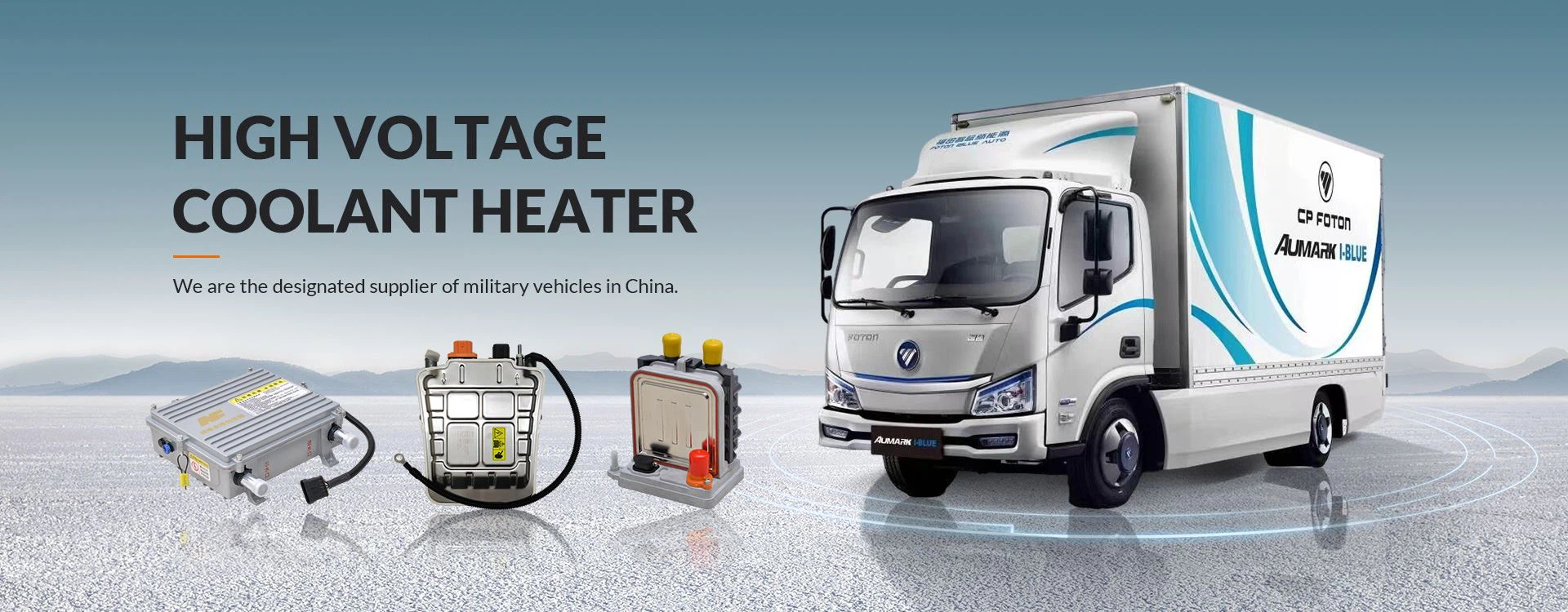
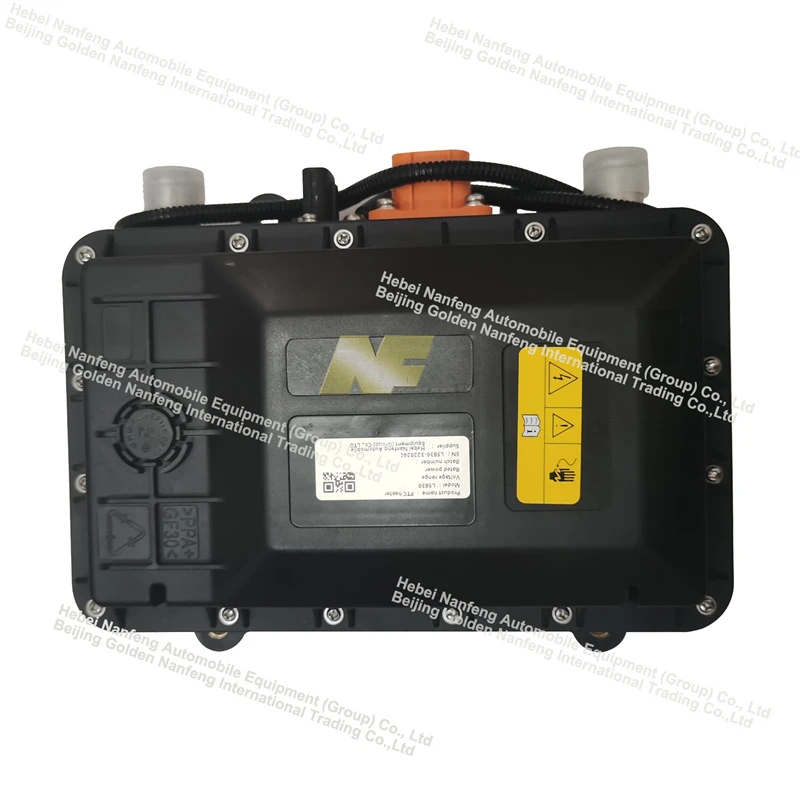
While ICE vehicles rely on waste heat from the engine for cabin heating, electric buses lack an engine and thus require the installation of a PTC electric heater. Powered by electricity, this component offers rapid heating and high safety standards; it not only warms the passenger cabin but also preheats the battery pack-preventing range loss and performance degradation in cold weather-making it essential for winter operation and battery health.

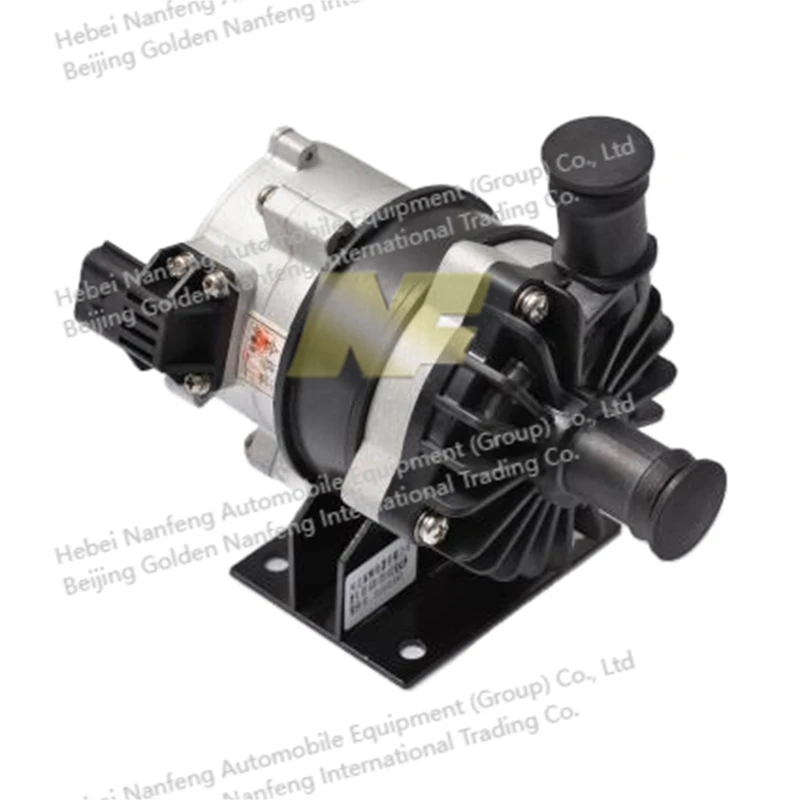
The electronic water pump is another critical component. The engine-driven mechanical water pump found in ICE buses becomes obsolete after conversion; in contrast, the electronic water pump operates via independent electronic control, specifically managing thermal circulation for the electric motor, electronic control system, and battery pack. It automatically adjusts its speed based on equipment temperature to precisely regulate cooling efficiency, preventing overheating or overloading of core electric components and ensuring the stability of the vehicle's thermal management system.


Driving safety relies on the electric steering pump. Traditional hydraulic steering pumps depend on engine power, necessitating a switch to an independent electric steering pump during conversion. This unit provides consistent steering assistance throughout operation; whether the vehicle is idling or moving at low speeds, steering remains effortless and precise, effectively resolving the issue of power steering loss and meeting the handling requirements of daily passenger transport.


Additionally, the conversion requires supporting components such as high-voltage wiring harnesses, battery management systems, and electric air compressors to handle power transmission, battery monitoring, and the air supply for braking systems, respectively. Only through the coordinated operation of these components can the converted electric bus achieve the necessary performance standards, ensure safety and regulatory compliance, and meet the demands of daily operations.