
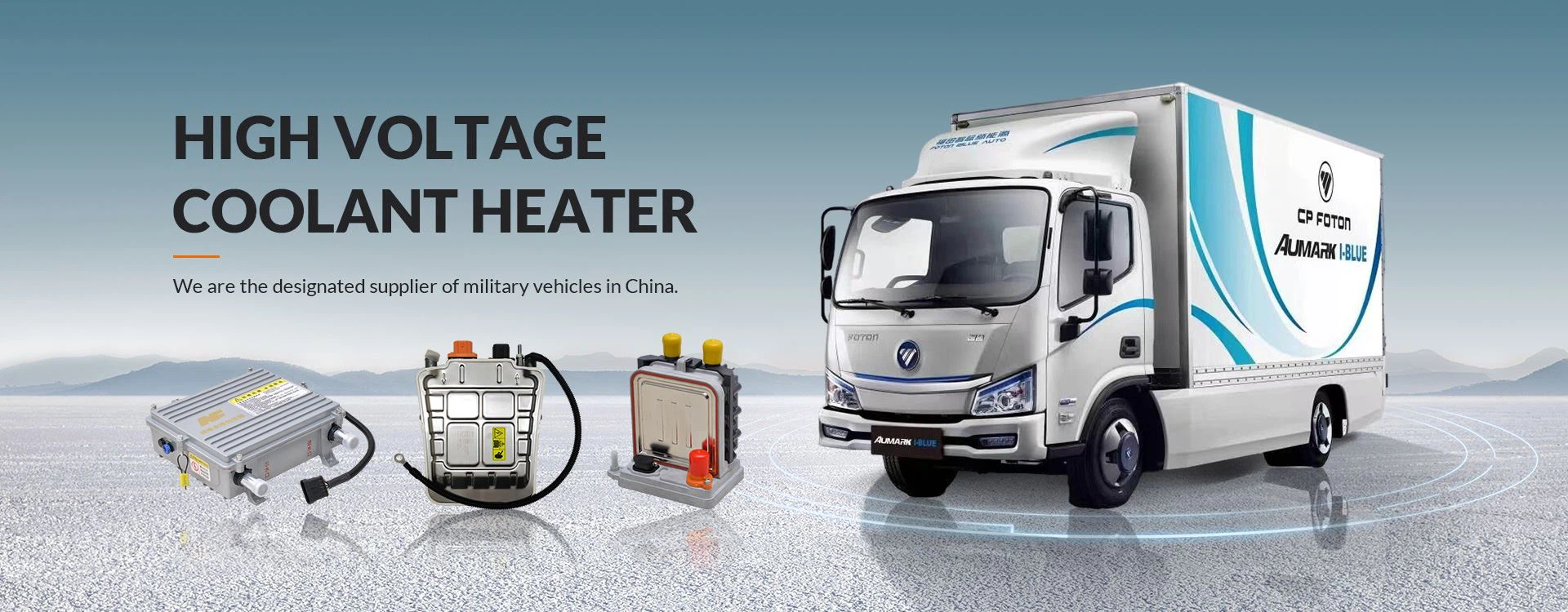
How do the various components of BTMS work together?
The BTMS battery thermal management system, coordinated by the BMS (Battery Management System), works in concert with components such as the electronic water pump, electronic three-way valve, PTC heater, water-cooled plate, radiator, and temperature sensors to achieve cooling, heating, and temperature equalization of the power battery, maintaining the cells within the ideal operating range of 25-40℃.
Temperature sensors collect the temperature of each cell within the battery pack in real time and feed the data back to the BMS. The BMS determines the current thermal state of the battery and issues commands to regulate various actuators.
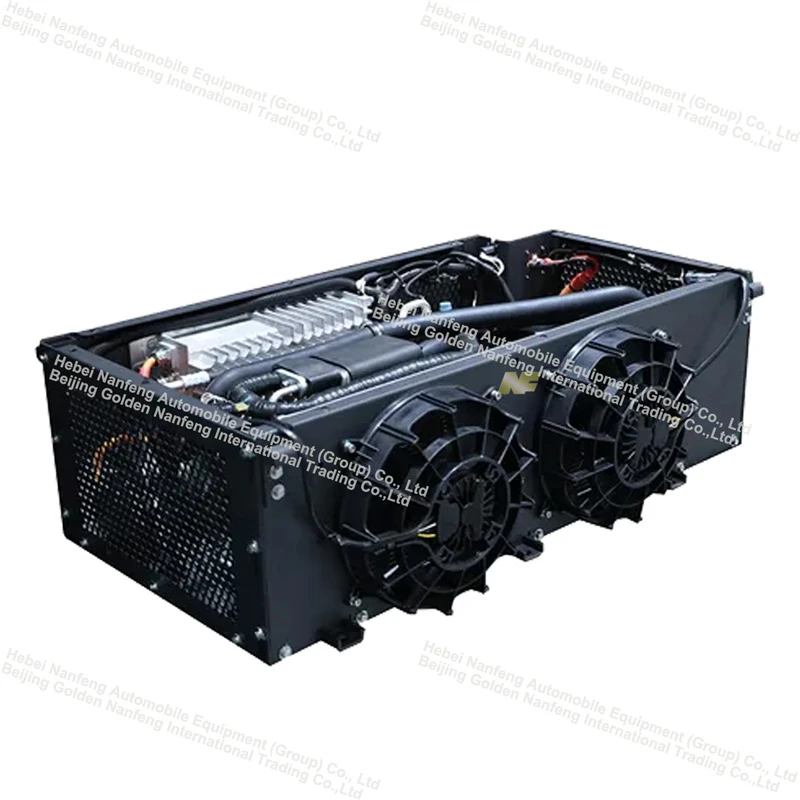
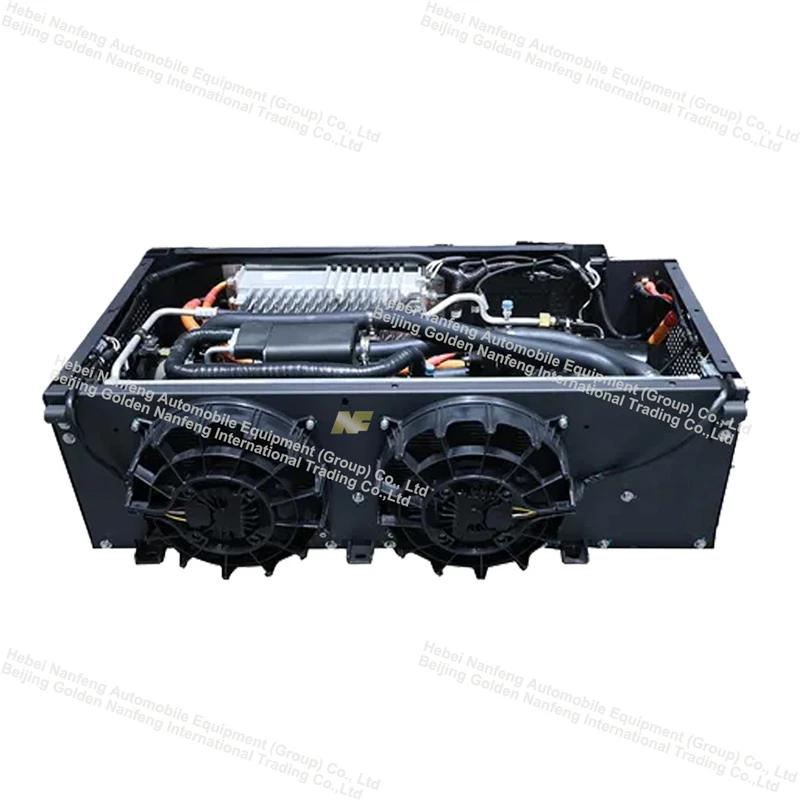
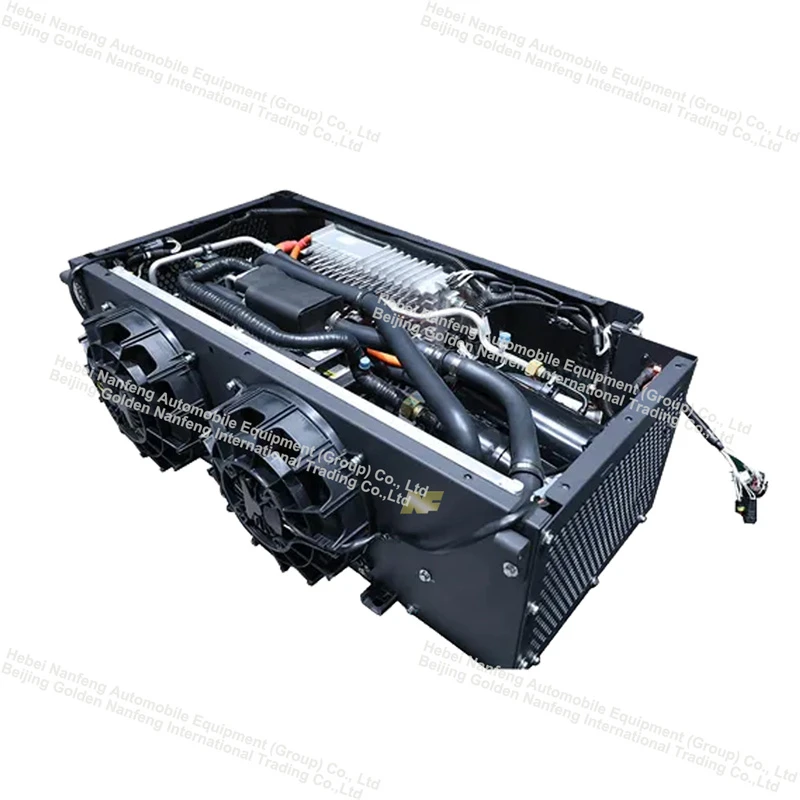
When the battery temperature becomes too high during fast charging or high-load operation, the BMS triggers the cooling logic. The electronic water pump starts, driving the circulation of glycol antifreeze; the electronic three-way valve switches the water path, opening the radiator circuit. The high-temperature coolant flows through the water-cooled plate, absorbing heat from the battery, and is then transported to the radiator. With the help of outside air, the coolant carries away the heat, and the cooled coolant flows back to the water-cooled plate, continuously dissipating heat from the battery, suppressing cell temperature rise, and preventing the risk of thermal runaway.
If the low-temperature environment causes a decrease in battery activity, the system switches to heating mode. The three-way valve cuts off the circuit to the radiator, preventing heat loss. An electronic water pump drives the coolant through the PTC heater, heating the medium and circulating the hot water within the water-cooling plate to evenly preheat the battery pack, improving charging and discharging capabilities and mitigating low-temperature range degradation.
Under complex operating conditions, the electronic three-way valve can be proportionally adjusted to achieve partial flow for heat dissipation and partial flow for heat preservation, balancing battery temperature and reducing temperature differences between cells. The entire system continuously reads sensor data to dynamically adjust power and water circuit opening. In case of temperature anomalies, the system triggers a protection mechanism and simultaneously sends an alarm signal to the vehicle controller.
These components work closely together to transfer, release, and store heat, ensuring battery safety, improving charging and discharging efficiency, and extending the battery's lifespan.


