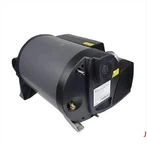


5kw Electric Heater Safety Inspection 2

1.Short circuit overcurrent detection
When the PTC electric heater detects that the heating current is higher than about 56A, the heating will be stopped immediately after the duration exceeds about 1us, and then the reset restart and start-up inspection will be performed after a delay of 2 seconds.
During the start-up inspection, if the short-circuit fault is removed, the system can automatically resume normal operation, otherwise the second short-circuit fault will be triggered, and the system will further identify which branch has failed.
If a short circuit fault occurs 3 times in a row, the system enters the protection lock state and stops heating.
2.Long time overcurrent detection
When the PTC electric heater detects that the heating current is higher than 18A, and the duration exceeds 15 seconds, the heating will be stopped immediately, and then the reset action will be executed after a delay of 2 seconds, and then the start-up inspection action will be executed.
After the long-term overcurrent is detected for 3 consecutive times, the system enters the lock protection state and stops heating.
3.High voltage power supply voltage detection
The PTC electric heater will continuously detect the voltage value of the high-voltage power supply. When the high-voltage power supply voltage is higher than 760V or lower than 440V, it will stop heating immediately, and report the abnormal fault of the high-voltage power supply voltage. When the high-voltage power supply voltage returns to lower than 750V or higher than 450V , the system automatically returns to normal working state.
4.Startup Check
When the PTC electric heater is powered on or reset and restarted, if the heating power requested by the upper computer is valid, the startup inspection process will be performed.
First, detect the total current of all heating branches in the off state. If this current exceeds the specified value, it indicates that there is a short circuit in the system hardware, or leakage current, or a fault in the current sensor detection circuit.
Then the system will supply power to each heating branch separately for a period of time, and detect whether the corresponding current exceeds the specified value. The road can continue to work normally.