

Advantages and disadvantages of PTC coolant heater
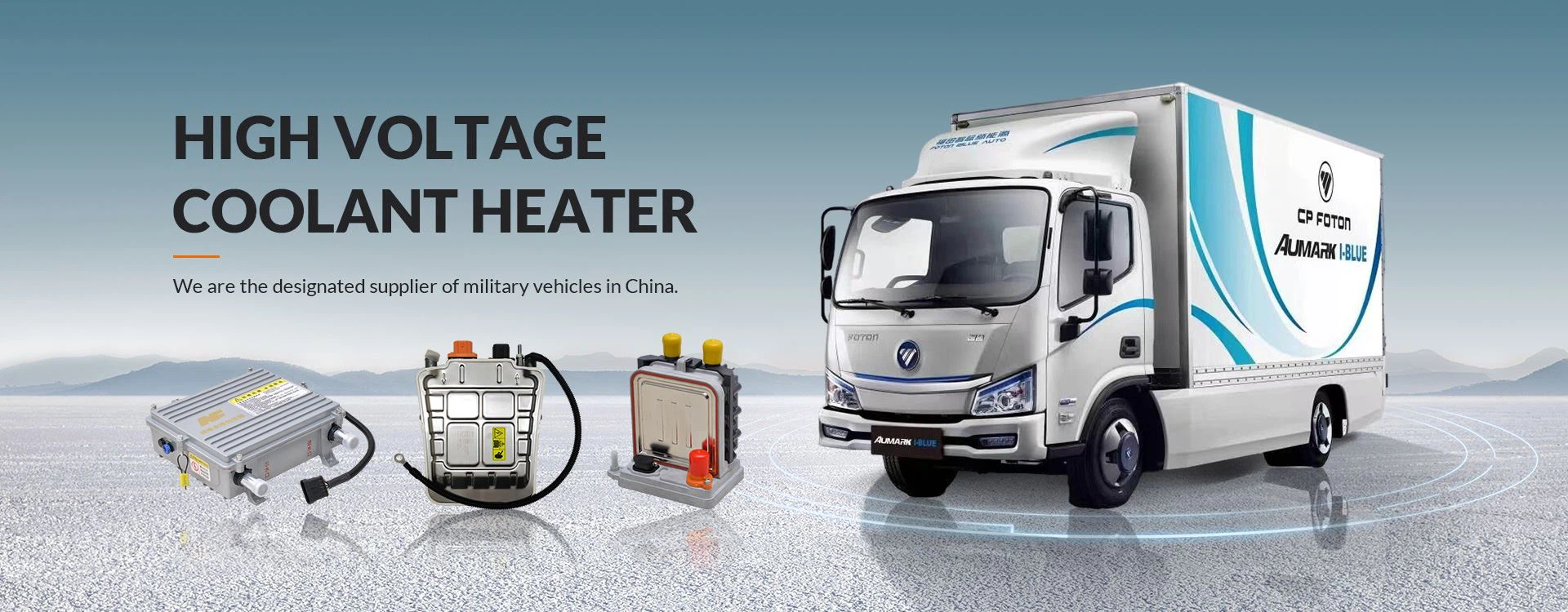
Electric vehicles (EVs) are progressively becoming more popular and widely accepted as alternative transportation options. However, their batteries are susceptible to cold weather and require an efficient heating system to maintain their optimal operating temperature. This is where the PTC water heating system comes into play.


PTC water heating system does not require a separate coolant loop since it uses the same water as the electric vehicle's cooling system. This makes installation simple and cost-effective. Furthermore, PTC water heaters have a low power consumption rate which makes them ideal for EVs. They consume less energy than traditional heating systems thereby, preserving battery life and extending driving ranges. PTC water heaters work well in cold weather conditions and can generate heat quickly for a longer period, making them reliable in cold weather regions.
Another excellent advantage of PTC water heating systems is their durability. Unlike other heating systems which require scheduled maintenance and an active coolant loop, PTC water heating systems have fewer moving parts, reducing any wearing or leaking issues, ensuring the longevity of the system.


However, PTC water heating systems consume more energy in warm weather. Due to their construction, they do not have the ability to limit the heat output in warm weather, which may lead to overheating in the cooling system.
In conclusion, PTC water heating systems are ideal for electric vehicles, especially in cold weather conditions. Their easy installation, low power consumption, and durability make them an essential component of an EV's heating system. Even with their limitations in warm weather, their reliability and efficiency more than make up for it.