
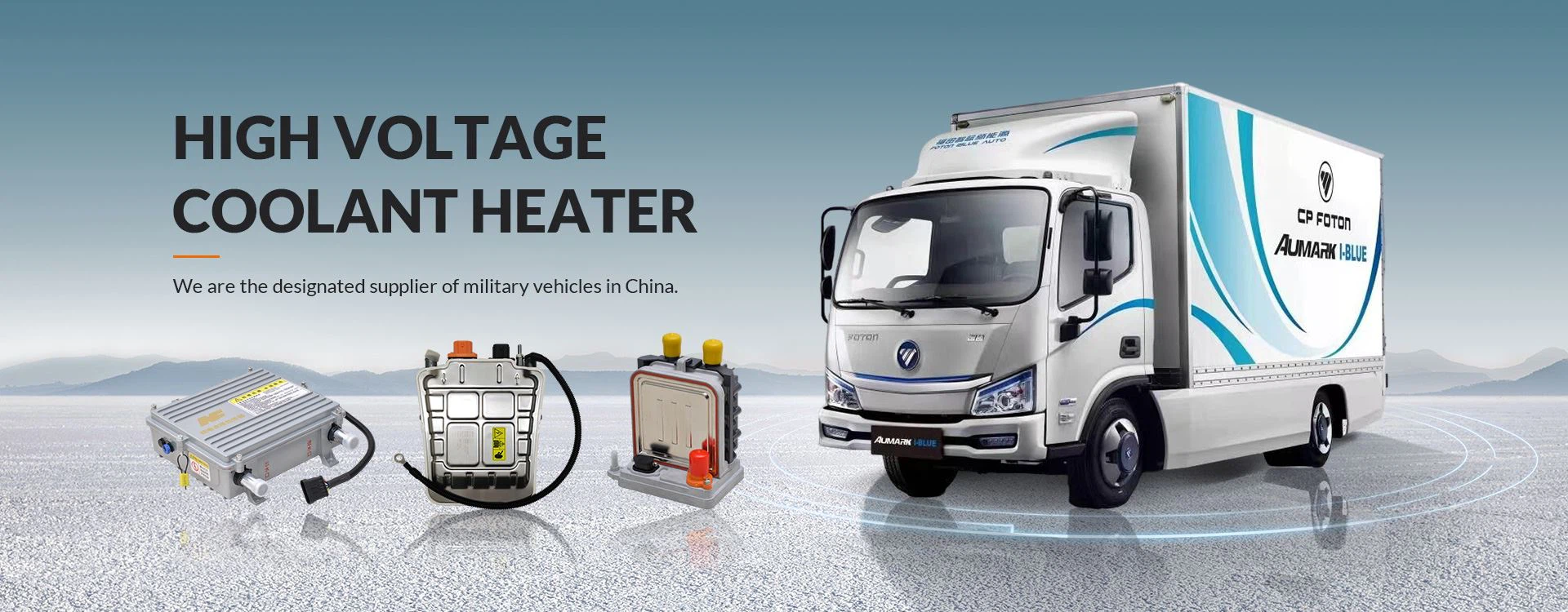


Battery thermal management system composition
The battery thermal management system is an essential technology to improve battery performance and lifespan of electric vehicles (EVs) and ensure passenger safety. The system consists of several components that work together to regulate the temperature of the battery pack, prevent overheating, and optimize performance. These components include battery cells, thermally conductive materials, cooling systems, and battery management systems (BMS). Battery cells are the core of the battery pack and serve to store energy. However, heat is generated due to internal resistance during charging and discharging, which can cause thermal runaway and affect performance and safety. Therefore, thermally conductive materials such as heat sinks and thermal pads are used to absorb and dissipate heat generated by the cells, improving the overall thermal management of the system. The cooling system is responsible for transferring heat absorbed by the conductive material of the battery pack to the external environment. Depending on vehicle design and desired level of thermal control, they may be air or liquid based. Air-cooled systems are the most common and cost-effective solution. Use a fan to circulate and cool the air around the battery. Water cooling systems, on the other hand, offer better cooling efficiency and flexibility because they circulate coolant through the battery and dissipate heat directly.
Finally, the BMS acts as the brains of the battery thermal management system, monitoring and controlling battery temperature and ensuring overall performance and safety. We collect information from a variety of sensors, including: B. Control the cooling system by examining the temperature and adjusting the speed and coolant flow rate accordingly. The BMS is also responsible for maintaining cell balance, detecting defects or abnormal conditions, and preventing thermal runaway or battery damage.
In summary, the battery thermal management system is a critical component of electric vehicles that ensures safe and efficient operation of the battery. These components work together to regulate battery temperature, prevent overheating, and optimize performance. Battery cells, thermally conductive materials, cooling systems, and BMS are all required for successful implementation of the system, and each plays a unique role in the overall thermal regulation process.


