


Electric bus parts
As a type of new energy vehicle, the components of electric buses are different from traditional internal combustion engine buses in some aspects, mainly due to the characteristics of the electric power system and related electronic control systems. The following are the main components of electric buses
Electric drive system
Electric motor: The power source of an electric bus, usually an AC asynchronous motor or a permanent magnet synchronous motor.
Transmission or transmission: Some electric buses are equipped with a transmission to improve the vehicle's driving performance and efficiency.
Power battery pack:
Battery pack: Responsible for storing and releasing electrical energy. Common battery types include lithium-ion batteries, lithium iron phosphate batteries, etc.
Battery management system (BMS): monitors the status, temperature, voltage and other parameters of the battery pack, and manages and protects it.
Electronic control system
Controller (Inverter): Controls the speed and torque of the motor.
Car charger: used to charge the battery pack.
DC-DC converter: Converts the DC power from the high-voltage battery into the DC power required by the low-voltage system.
System monitoring and control unit: used to monitor and control the operating status of each vehicle system.
Body structure and accessories:
Body: including frame, body panels, etc.
Transmission system: including drive shaft, differential, etc.
Braking system: including regenerative braking systems commonly used in electric buses and traditional friction braking systems.
auxiliary system:
Air conditioning system: Provides a comfortable temperature inside the car.
Refrigeration system: used to keep the temperature of the power battery pack stable.
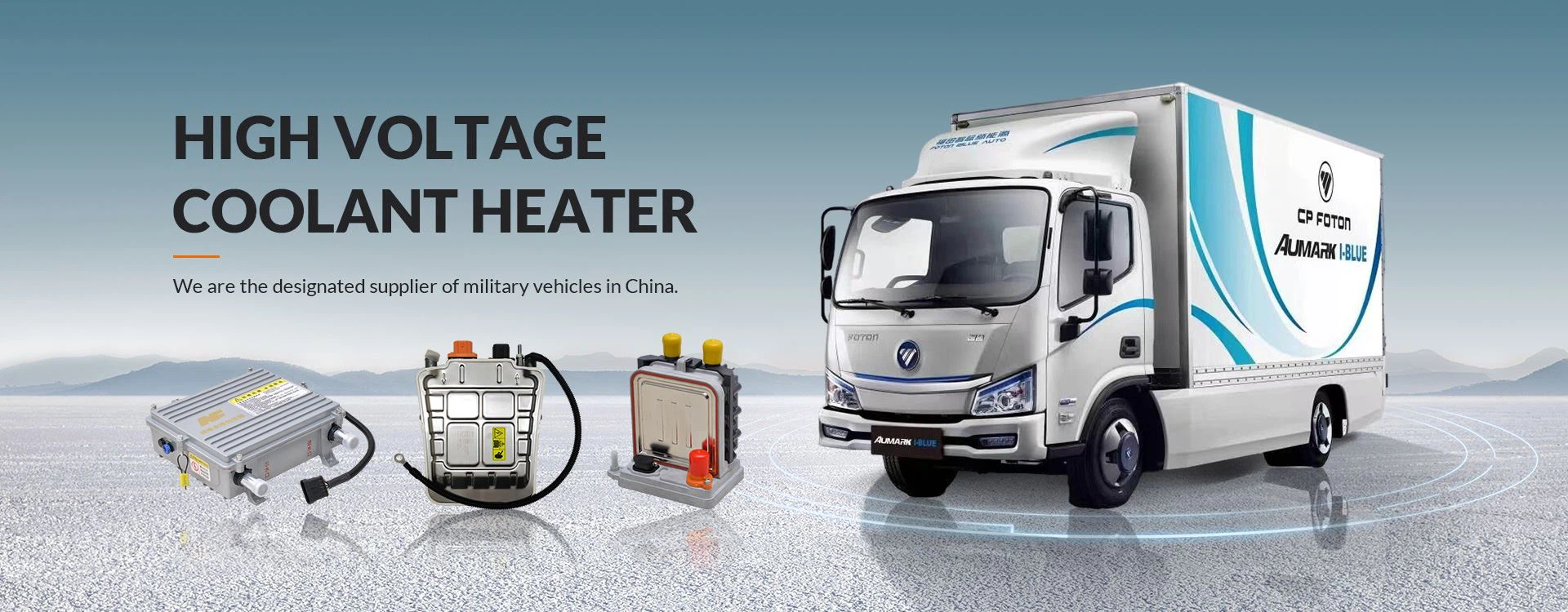
Electric heater: Provides interior heating in cold environments.
Security system:
Airbag system: Provides protection in the event of a crash.
ABS anti-lock braking system and ESP vehicle stability control system, etc.
Electronic equipment and communication systems:
Infotainment system: including car navigation, audio system, etc.
Vehicle communication system: including wireless communication, vehicle information system, etc.
To sum up, the components of electric buses cover many aspects such as power system, battery pack, electronic control system, body structure, auxiliary systems, safety systems and electronic equipment. These components together constitute a complete electric bus.


