

High-voltage Electric Defrost
High-voltage electric defrost is a defrosting technology used in vehicles, aircraft, ships and other means of transportation. Compared with traditional defrosting methods, high-voltage electric defrost has higher efficiency and faster defrosting speed. The following is a general introduction to high-voltage electric defrost:
working principle:
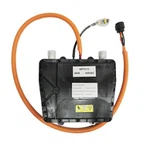
Electric heaters or electric heating wires: High-voltage electric defrost systems typically include electric heaters or electric heating wires installed on aircraft wings, car glass, or other surfaces. These heating elements are heated by electric current, producing heat.
Heat conduction: Through heat conduction, the electric heating element transfers the generated heat to the surface that needs to be defrosted, such as the surface of the aircraft wing or the car windshield.
Defrosting effect: Due to the high temperature of the electric heating elements, they are able to quickly melt frost, snow or ice attached to the surface. This increases the speed and efficiency of defrost, especially in extremely cold climates.


Advantage:
Fast defrost: High-voltage electric defrost can quickly generate high temperatures, so it has faster defrost speed, which is important for improving the availability and efficiency of transportation.
Precise control: Modern high-voltage electric defrost systems are usually equipped with intelligent control systems that can achieve precise control of heating temperature and time to ensure that the defrosting task is completed without damaging the surface or consuming too much energy.
Wide scope of application: High-voltage electric defrosting is suitable for a variety of vehicles and surfaces, such as car windshields, aircraft wings, ship windows, etc.
Low energy consumption: High-voltage electric defrost generally enables more efficient defrost with lower energy consumption compared to traditional engine exhaust heating or chemical dissolution methods.
Application areas:
Aviation field: The wings and tail of aircraft often need to be defrosted to ensure safe takeoff and landing. High-voltage electric defrost is widely used in the aviation field.
Automotive field: Car windshields, windows and side-view mirrors may also need to be defrosted to improve driving safety. High-voltage electric defrost technology is also used in automobiles.
Marine field: Surfaces such as ship windows and decks may freeze in cold conditions, and high-voltage electric defrost can help keep the ship operating normally.
In general, high-voltage electric defrost technology has broad potential in defrosting applications in transportation vehicles due to its fast, efficient, and precise control characteristics.