


New Energy Vehicle Battery Thermal Management
1. Battery thermal management principle
The core principle of new energy vehicle battery thermal management is to maintain the battery operating within a suitable temperature range to improve battery performance, safety and lifespan. There are two main sources of heat generated by batteries during operation: Joule heating generated by internal resistance during battery charging and discharging and external ambient temperature. To prevent the battery from getting too hot or too cold, a series of thermal management measures are required.
Main principles:
Heat dissipation and cooling: Through the heat dissipation system, the heat generated by the battery is effectively dissipated to the external environment. This includes components such as fans and heat sinks, which transfer heat through convection and radiation.
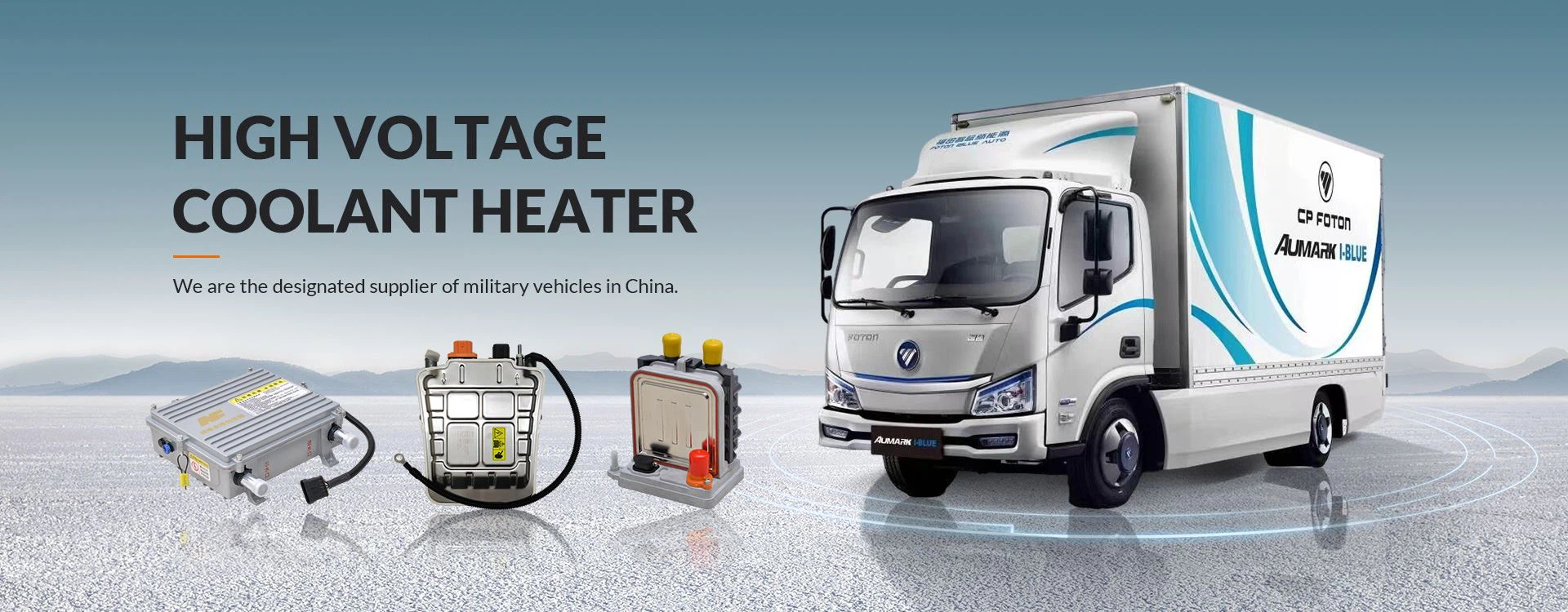
Liquid Cooling/Liquid Warming: Introducing coolant or heating fluid to regulate battery temperature. The liquid cooling system can quickly balance the battery temperature to ensure battery stability under different working conditions.
Phase Change Materials: Use materials that are capable of phase changes within a specific temperature range to regulate battery temperature by absorbing or releasing potential heat. This helps maintain battery temperature stability under changing operating conditions.
2. Overall architecture of battery thermal management system
The new energy vehicle battery thermal management system is a complex system that includes multiple components and control strategies to ensure that the battery can operate within the optimal temperature range under various conditions.
Components:
Sensor: Used to monitor battery parameters such as temperature, current and voltage in real time.
Cooling system: Including fans, heat sinks and other components, used to transfer the heat generated by the battery to the external environment.
Liquid cooling/liquid heating system: The cooling liquid or heating liquid is transferred to the battery module through the circulation system to adjust the battery temperature.
Phase-change materials: Embedded in battery modules, they absorb or release heat as needed.
Control unit: Adopts advanced control algorithms to monitor battery status in real time through sensor data and adjust the operating status of the heat dissipation and liquid cooling system.
Control strategy:
Intelligent temperature control: Use advanced control algorithms, combined with big data and artificial intelligence technology, to intelligently regulate the temperature of the battery to adapt to different driving environments and usage conditions.
Dynamic power allocation: According to the battery temperature and working status, the battery charge and discharge power is adjusted to balance the energy distribution inside the battery and reduce the risk of overheating.
Predictive maintenance: Based on historical data and real-time monitoring results, predictive maintenance strategies are adopted to identify potential battery problems in advance and extend battery life.
Taken together, the new energy vehicle battery thermal management system effectively maintains the operating temperature of the battery through intelligent control and diversified heat dissipation methods, improves the performance and life of the battery, and provides guarantees for the reliability and safety of electric vehicles. Critical support.


