PTC Coolant Heater Operation Guide
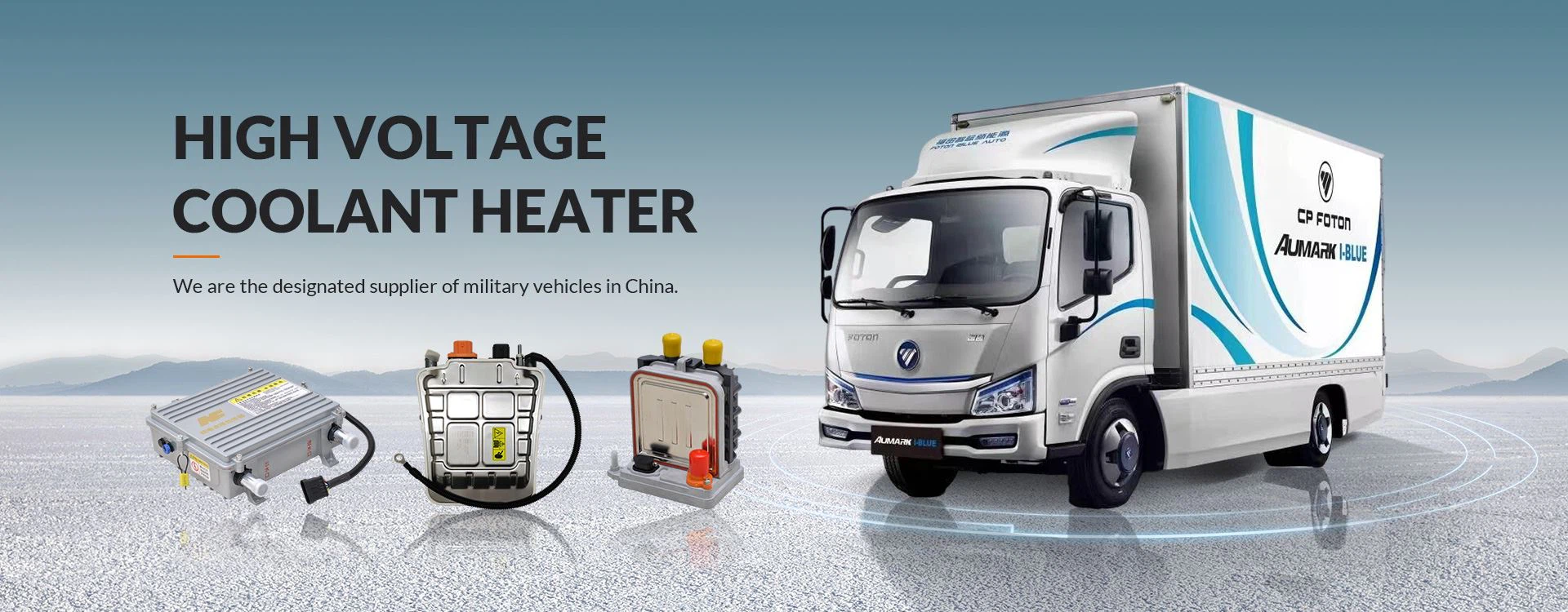
Note: New energy high-voltage PTC electric heaters are divided into water-heated PTC (coolant heating) and air-heated PTC (direct air heating); high-voltage components pose a risk of electric shock, and non-professionals are strictly prohibited from disassembling the high-voltage heater body.

Basic Principles Overview
The high-voltage PTC electric heater consists of a high-voltage heating element, a low-voltage control board, a CAN/LIN communication interface, a temperature sensor, and over-temperature protection. High-voltage enabling is provided by the BMS, and the vehicle's VCU/air conditioning controller regulates the output power for cabin heating and battery preheating.
Technical Personnel Operation Guide (High Voltage Operation)
⚠️High Voltage Safety: Operating a high-voltage PTC requires following the procedure: power off the high voltage → wait for the capacitor to discharge → test for voltage → connect the grounding wire. Only certified personnel are permitted to operate this equipment.
Pre-Installation Inspection
Check the heater nameplate: rated high voltage, maximum heating power, communication protocol (CAN/LIN).
Inspect the casing for any bumps or cracks. Ensure the high-voltage and low-voltage communication plugs are intact, free from water ingress, corrosion, or pin retraction.


Common Faults and Troubleshooting
| Symptom | Possible Cause | Corrective Action |
| No heating; output power is 0 | No flow / air in the circuit; high-voltage power not connected; no valid CAN command; insulation fault | Check water pump operation; bleed air; check high-voltage connectors; read CAN fault codes |
| Insufficient heating capacity; water temperature fails to rise | Air in the system; insufficient coolant; low target temperature command; fault in some power channels | Bleed air; top up coolant; verify vehicle CAN commands; read internal temperature |
| Frequent start-stop cycles; intermittent heating | Temperature sensor drift; voltage fluctuation; overheating protection triggered; flow fluctuation | Check NTC sensor; verify high-voltage level; check for air bubbles in lines; verify water pump performance |
| "Dry-run protection" DTC reported | Water pump failure; pipeline blockage; excessive air; flow sensor fault | Check water pump and pipelines; bleed air; verify flow signal |
| High-voltage insulation fault | Coolant leakage into high-voltage connectors; housing moisture | Disconnect power; clean high-voltage connectors; repair leak point |