


Electric Vehicle Heating System

1.PTC Heating
The PTC on electric vehicles refers to the thermistor, which is a temperature-sensitive semiconductor resistor that generates heat when current passes through it, and its resistance value increases as the temperature increases.
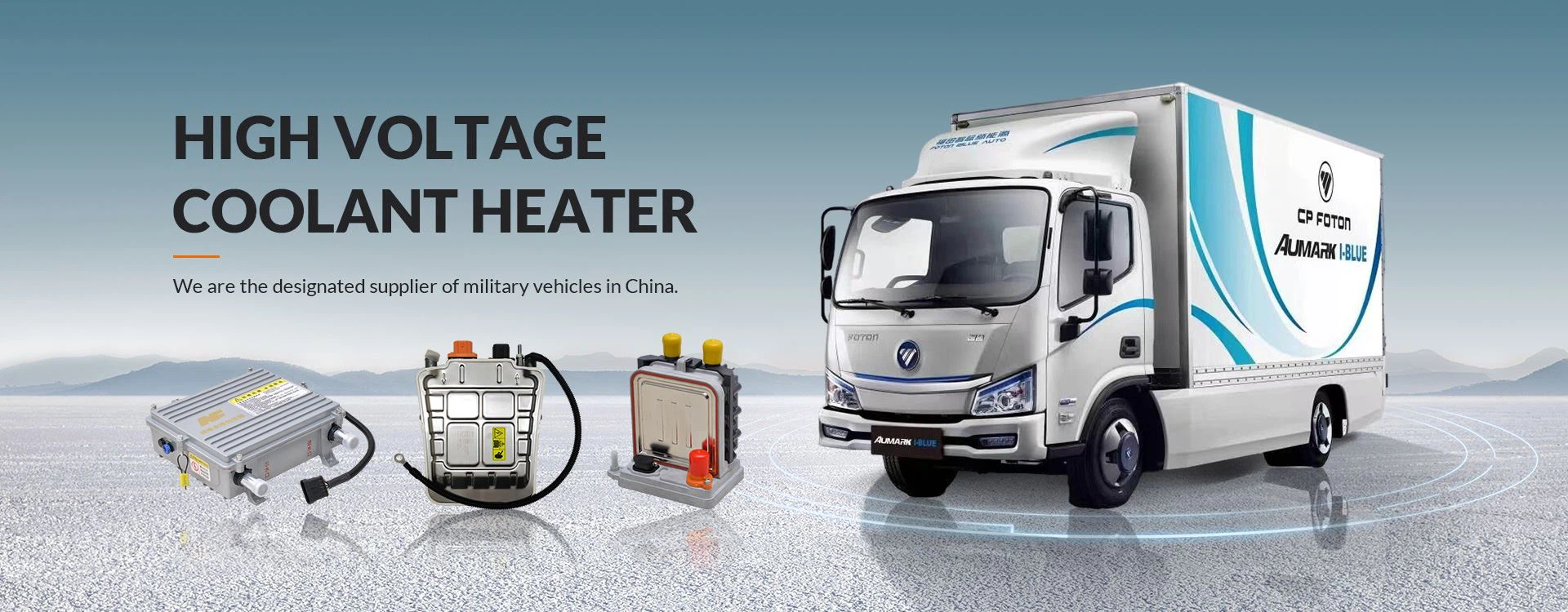
Electric vehicle heating systems mostly use PTC to heat air or PTC to heat cooling water.
(1) Structural principle of PTC air heater
When the blower pumps fresh air from the air inlet into the heating core with PTC as the heat source, the fresh air exchanges heat with the heater core PTC. The air is heated and the relatively high temperature air is controlled by the control valve to enter from different air inlets. Inside the vehicle, the temperature inside the vehicle rises to realize the vehicle heating function.
(2) Structural principle of PTC water heater
When heating, the PTC heater first heats the cooling water, and then uses the cooling water to heat the fresh air pumped in from the air inlet. The air is indirectly heated, and the relatively high-temperature air enters the interior of the vehicle from different air inlets controlled by the control valve. The temperature inside the car increases to realize the heating function in the car.

2. Heat pump system heating
The heat pump air conditioner uses a four-way reversing valve to interchange the functions of the evaporator and condenser and change the direction of heat transfer, thereby achieving the effects of cooling in summer and heating in winter.
The heat pump technology of new energy vehicles is an effective solution to solve the problem of shortened cruising range of pure electric vehicles in winter. Using the "reverse Carnot" cycle of the air conditioner, the heat pump can "pump" the heat in the low-temperature air outside the car into the relatively high-temperature passenger compartment. Using a heat pump air conditioner for heating in winter can reduce energy consumption by 60% and increase cruising range by about 25% compared with using traditional PTC heating.
The refrigeration principle of traditional air conditioners is to use the change of the refrigerant's physical state. When it changes from a gaseous state to a liquid state, it will dissipate heat, and when it changes from a liquid state to a gaseous state, it will absorb heat.
The "reverse Carnot" cycle used for heating in the car is opposite to the refrigeration principle of traditional air conditioners. Using a "four-way electromagnetic reversing valve", the refrigeration cycle or heating cycle can be realized, so that the car can get cold air or hot air.


