


Structure and working principle of pure electric vehicles


1. Overall structure of pure electric vehicles
Compared with traditional fuel vehicles, pure electric vehicles have flexible structural features. Traditional fuel vehicles are mainly composed of four major parts: engine, chassis, electrical equipment and body. The biggest difference between pure electric vehicles and traditional fuel vehicles is that the engine is replaced by an electric motor and the fuel tank is replaced by a power battery. Therefore, the structure of a pure electric vehicle is composed of It consists of four major parts: power system, chassis, electrical equipment and body.
2. Pure electric vehicle power system structure
Since the power system of pure electric vehicles is mainly used to transmit electrical energy and mainly consists of high-voltage components such as drive motors and power batteries, the power system of pure electric vehicles is sometimes also called a high-voltage system or an electric drive system.
According to the working principle, the power system of pure electric vehicles can be divided into three parts: electric drive main system, electric drive auxiliary system and power supply system.
(1) Electric drive main system
The main electric drive system mainly consists of vehicle controller (VCU), motor controller, drive motor and mechanical transmission device. Pure electric vehicles convert the mechanical displacement of the accelerator pedal and brake pedal into corresponding electrical signals, which are input to the vehicle controller to achieve real-time control of the vehicle's driving. The gear position and gear lever have three gears: forward, neutral and reverse. The switch signal is transmitted to the vehicle controller to control the car forward, park and reverse.
(2) Electric drive auxiliary system
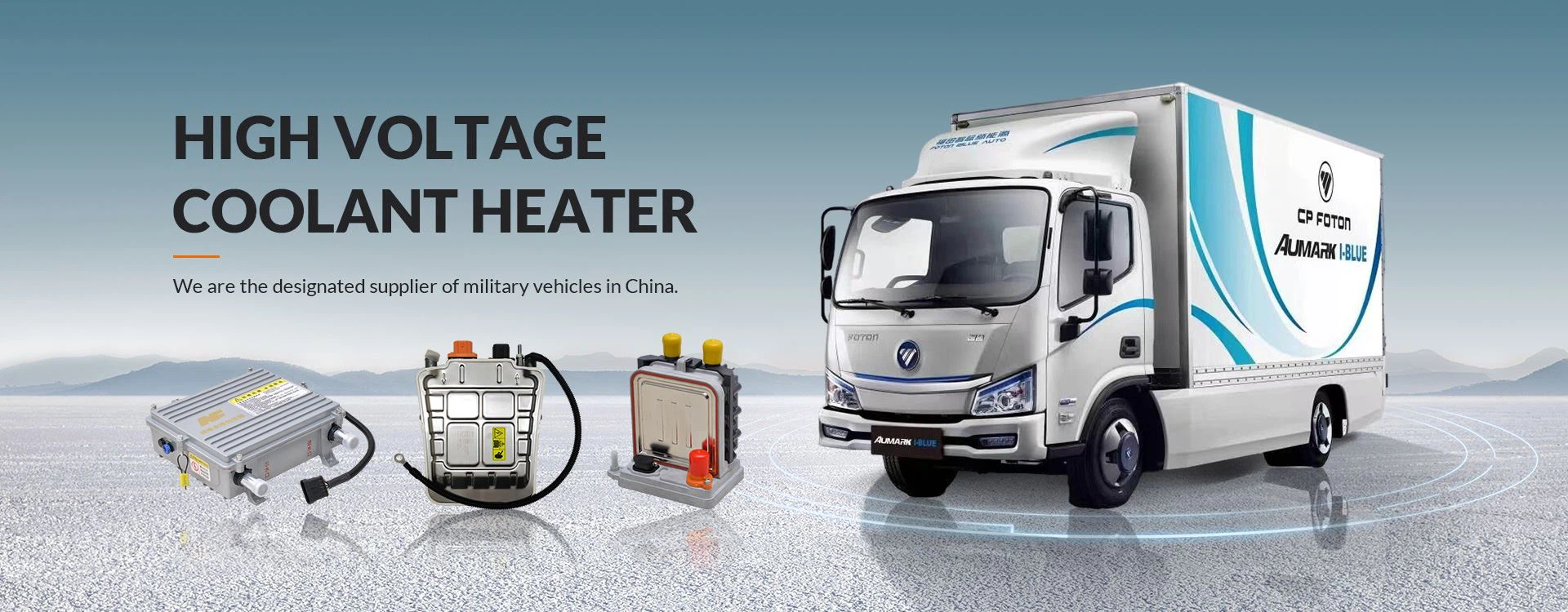
The electric drive auxiliary system mainly includes the air compressor of the air conditioning system (using an electric compressor, directly driven by high-voltage electricity), PTC heater (directly using a positive coefficient thermistor for heating, using high-voltage electricity for heating), etc. device.
(3) Power system
The power system of pure electric vehicles mainly consists of power batteries (currently the main types of power batteries in new energy vehicles are lithium iron phosphate batteries and ternary lithium batteries), battery management systems (the main function of BMS is to distribute energy while the vehicle is driving). , Coordinate the energy management of the work of each functional part, maximize the use of limited energy, reasonably control charge and discharge, and ensure the safety of the power battery during use.), charging system (vehicle charger converts alternating current It is composed of direct current of corresponding voltage and controlling its charging current as required) and DC/DC converter.


